
Your cart
There are no more items in your cart
The 10 most common parasitoses among plants
Categories :
Chronology
, Hobbies and insights
Index
3. Powdery mildew (Erysiphe spp.)
4. Downy mildew (Phytophthora infestans)
10. Botrytis (Botrytis cinerea)
Parasitoses are among the most frequent problems affecting agricultural crops and ornamental plants. These pests, which can be insects, fungi, nematodes, bacteria, or viruses, compromise plant health, reducing productivity and crop quality. In agriculture, it is essential to recognize the signs of an infestation early in order to implement the correct control and prevention measures. In this article, we'll explore the 10 most common parasites that affect plants, analyzing their main characteristics and methods to combat them.
1. Aphids (Aphidoidea)
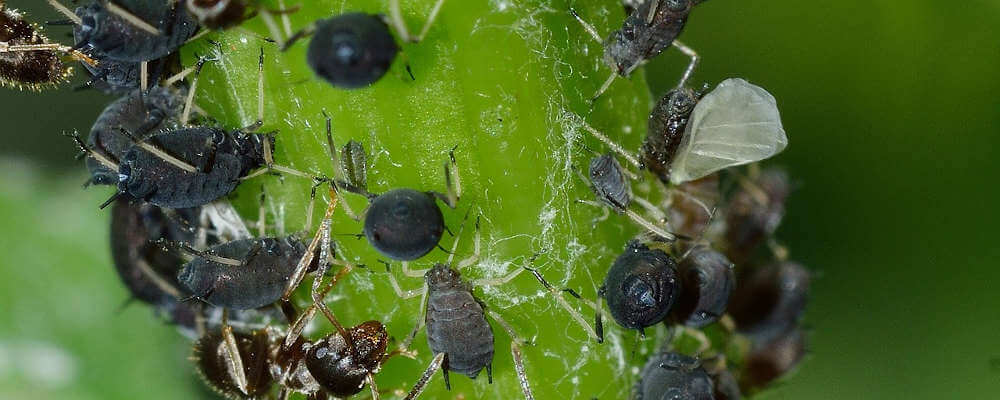
Aphids are small insects that feed on the linfa of plants, causing deformations, yellowing of the leaves and slowed growth. They can also transmit viruses to plants, making the situation even worse. Aphids reproduce very quickly, which makes it difficult to control them once they are established. The most affected crops include horticultural, ornamental and fruit plants.
Prevention and control
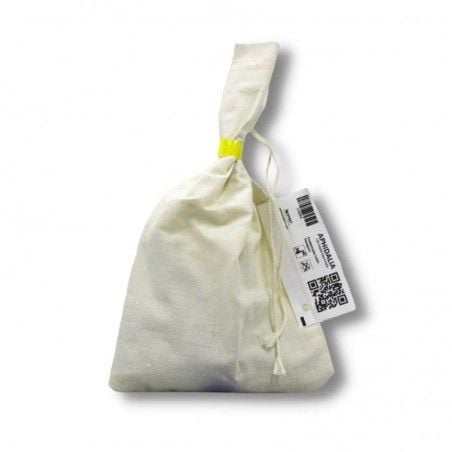
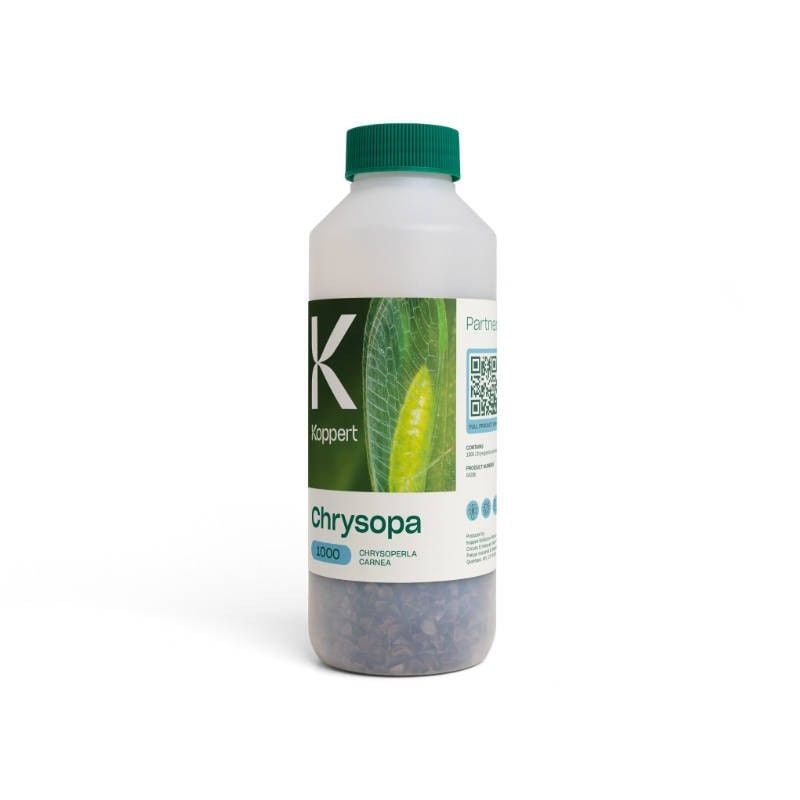
- Use natural predatory insects against aphids, such as ladybugs and lacewings.
 |
 |
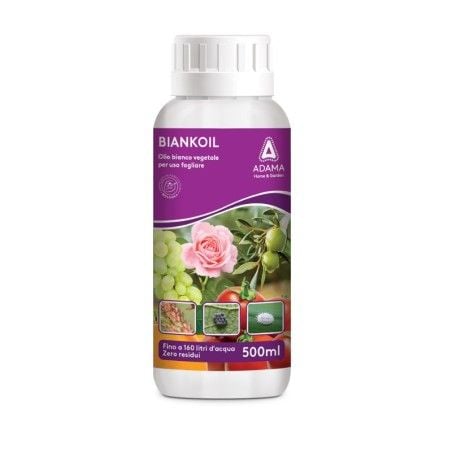
- Apply potassium soft soap or white vegetable oil.
 |
 |
- Monitor plants regularly for early intervention.
2. Nematodes (Nematode)
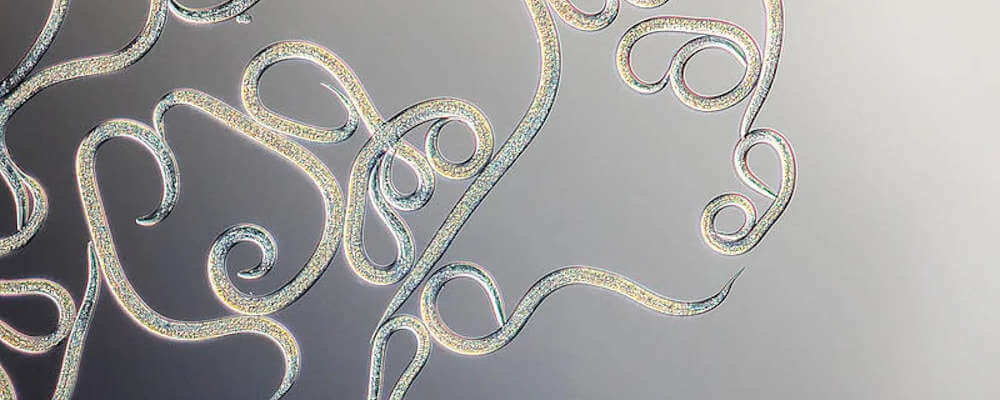
Nematodes are small, microscopic worms that attack plant roots, causing nodules, root rot, and a reduction in the plant's ability to absorb water and nutrients. This causes a slowdown in growth and a significant drop in production. Nematodes are particularly problematic in crops such as potatoes, tomatoes, and soybeans.
Prevention and control
Crop rotation to reduce the presence of nematodes in the soil.
Use of resistant varieties of plants.
Application of specific nematicides.
3. Powdery mildew (Erysiphe spp.)
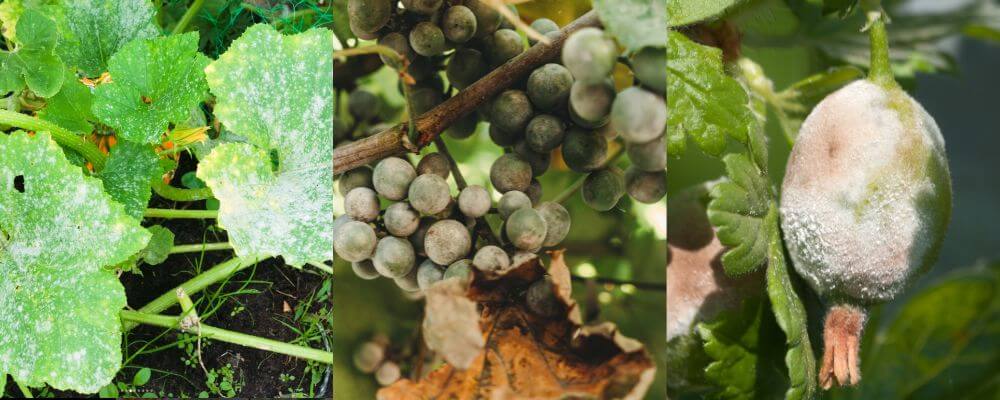
Powdery mildew, also known as white mildew, is a fungal disease that mainly affects the leaves and stems of plants. It manifests itself with the appearance of a white, powdery patina that slows down photosynthesis and causes premature leaf drop. It mainly affects grapevines, tomatoes, zucchini and roses.
Prevention and control
Promote good air circulation around the plants.
Avoid excessive watering.
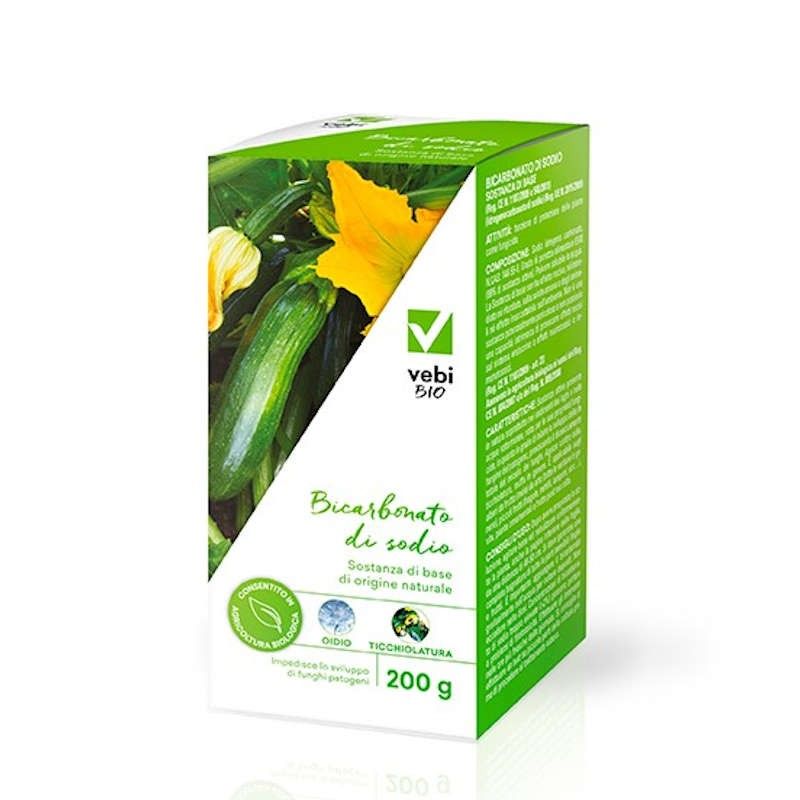
Apply specific fungicides based on sulfur or sodium bicarbonate.
 |
 |
4. Downy mildew (Phytophthora infestans)
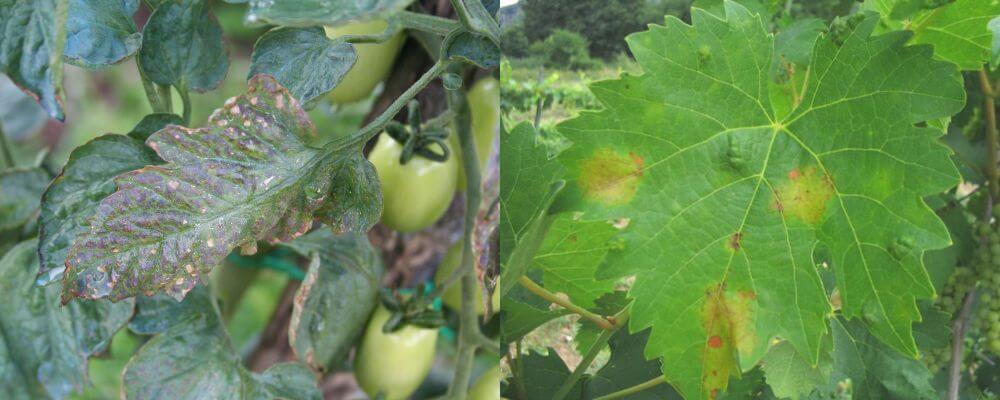
Downy mildew is one of the most devastating fungal diseases, particularly known for the damage caused to potato and tomato crops. It presents with dark, necrotic spots on the leaves, which can lead to the death of the plant. Conditions of high humidity and moderate temperatures favor the spread of downy mildew.
Prevention and control
Use resistant varieties.
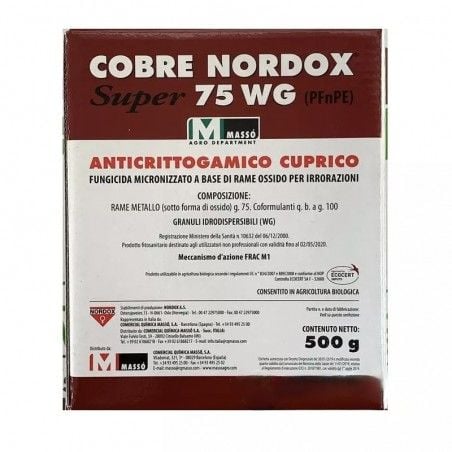
Apply preventive copper-based fungicides.
 |
Avoid evening watering and reduce the humidity around the plants.
5. Cochineal (Coccoidea)
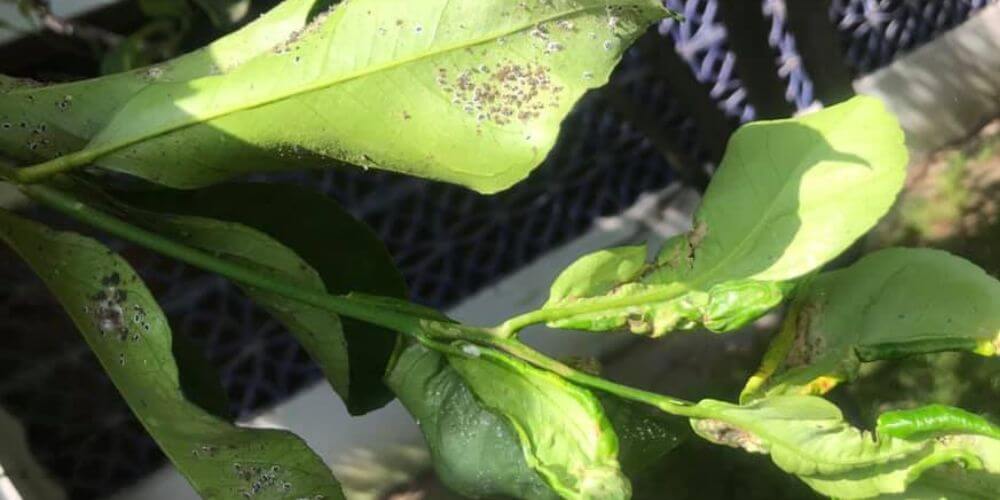
Mealybugs are insects that feed on the linfa of plants, similar to aphids but with a waxy coating that protects them from external agents. They cause the general weakening of the plants and can lead to the formation of black mold (sooty mold) due to the honeydew they secrete. They affect a wide range of plants, including citrus fruits, ornamental plants, and houseplants.
Prevention and control
- Manually remove mealybugs from infested branches.
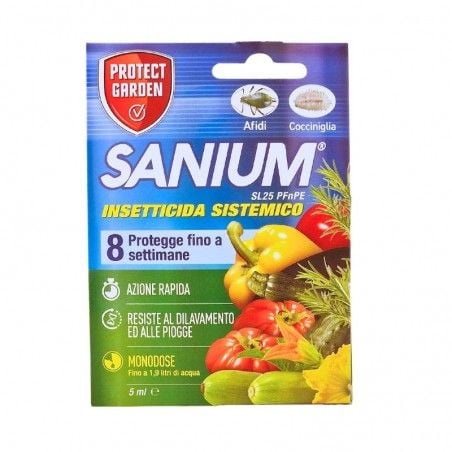
- Treat with mineral oils or specific insecticides against cochineal .
 |
 |
- Introduce predatory insects such as ladybugs.
6. Moth (Tuta absoluta)
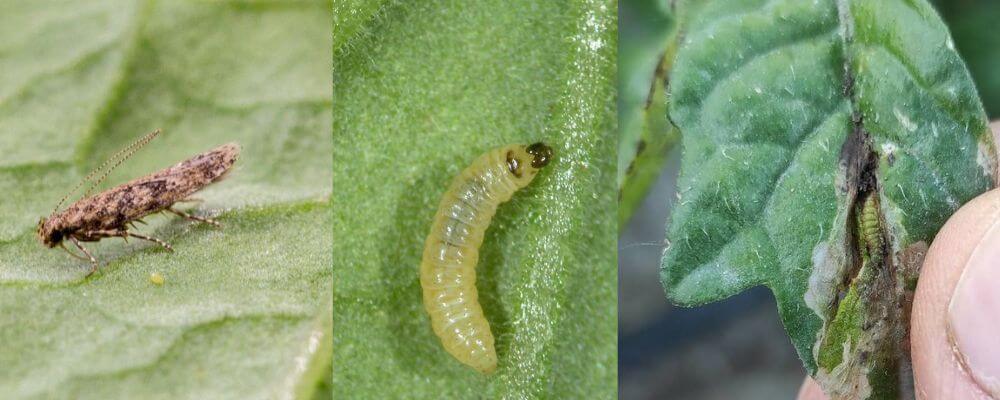
The tomato moth is an insect that mainly attacks tomato crops, digging tunnels inside the leaves, fruits and stems. This pest causes serious economic losses, as it makes the fruits unmarketable.
Prevention and control
- Use pheromone traps for the tuta absoluta to monitor the presence of the insect.
 |
- Apply an organic insecticide based on Bacillus thuringiensis or other biological substances.
 |
- Practice proper crop rotation.
7. Fusarium (Fusarium spp.)
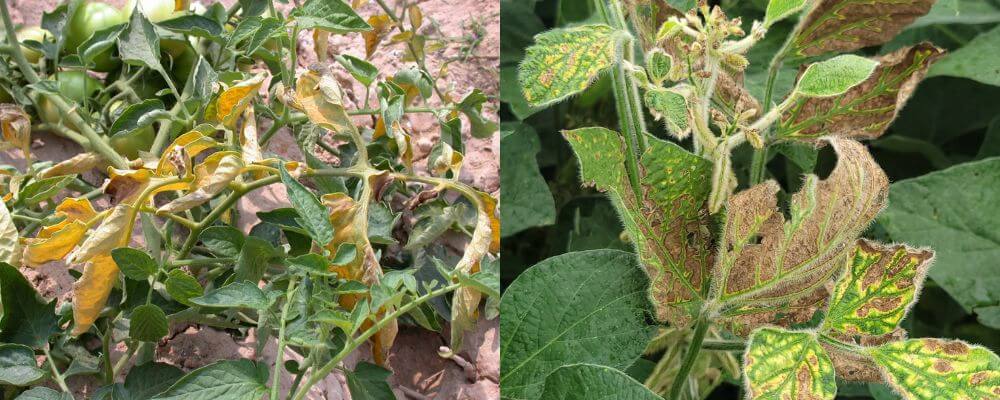
Fusarium is a disease caused by a fungus that affects the roots and lymphatic vessels of plants, causing wilt and death. It mainly affects plants such as tomato, cucumber and eggplant. The fungus can survive in soil for many years, making it difficult to control.
Prevention and control
Use seeds and seedlings that are certified as resistant.
Sterilize the soil before planting.
Apply systemic fungicides that control fusarium .
 |
8. Rust (Puccinia spp.)
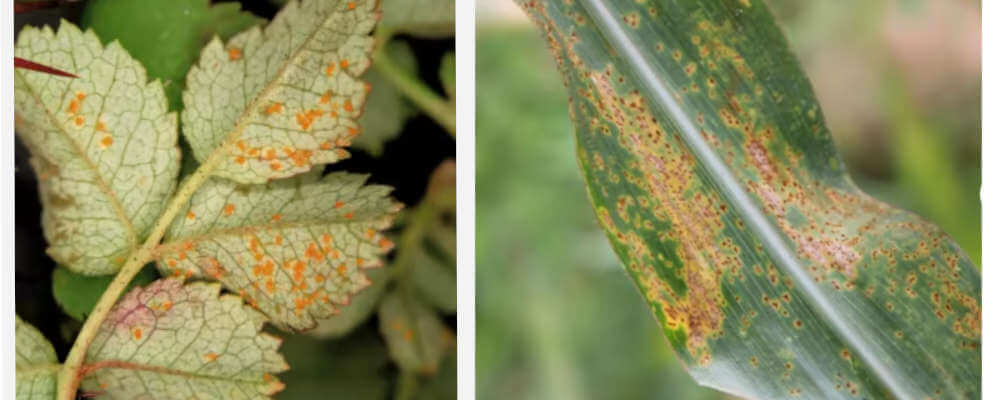
Rust is a fungal disease that affects the leaves of plants, causing the appearance of yellowish or brown pustules that reduce the photosynthetic capacity of the plant. It mainly affects cereal plants such as wheat and barley, but it can also infect ornamentals and horticultural plants.
Prevention and control
- Use resistant varieties.
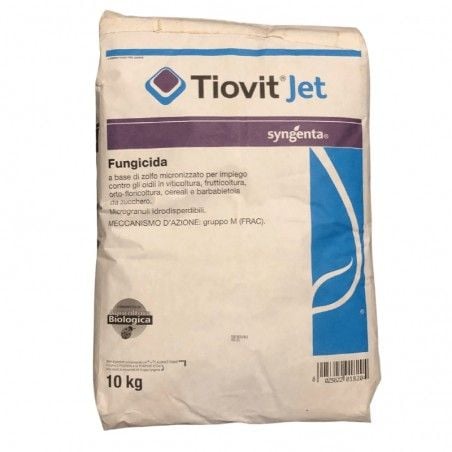
- Apply preventive sulfur-based fungicides.
 |
- Remove and destroy infected parts of the plant.
9. Whitefly (Bemisia tabaci)
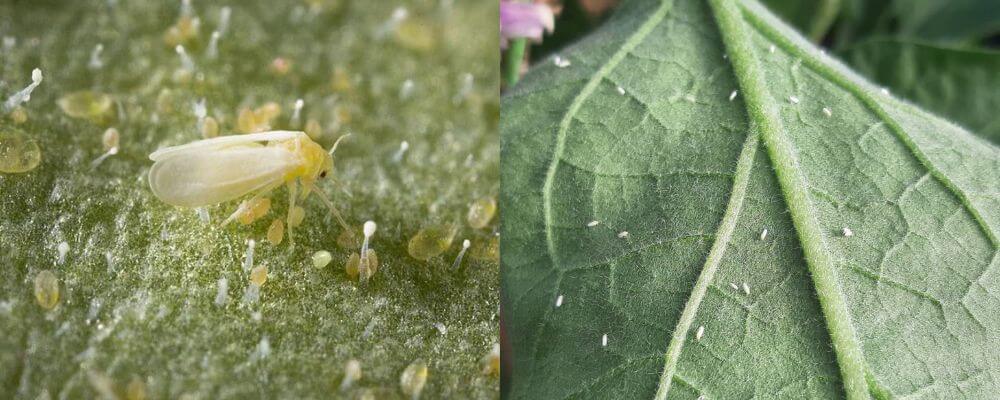
Whitefly is an insect that feeds on the linfa of plants and transmits various viral diseases. Its infestations can cause yellowing of the leaves, loss of vigor and reduced production. It is particularly problematic in horticultural crops and greenhouses.
Prevention and control
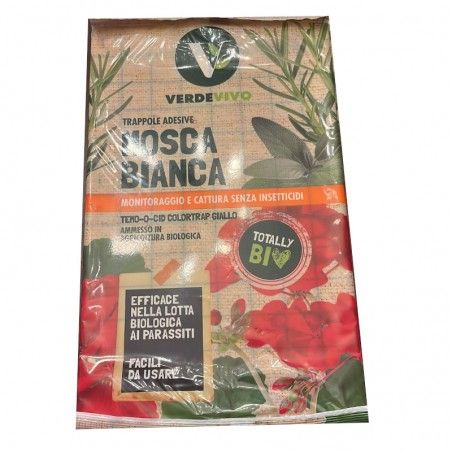
- Use yellow whitefly color traps to attract and catch insects.
 |
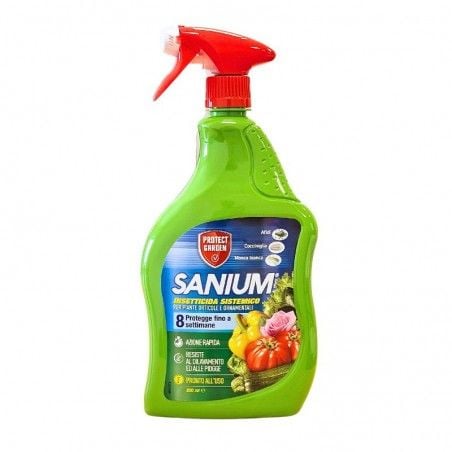
- Apply systemic insecticides against whitefly or biological insecticides based on Beauveria bassiana .
 |
 |
- Introduce natural enemies such as Encarsia formosa.
10. Botrytis (Botrytis cinerea)
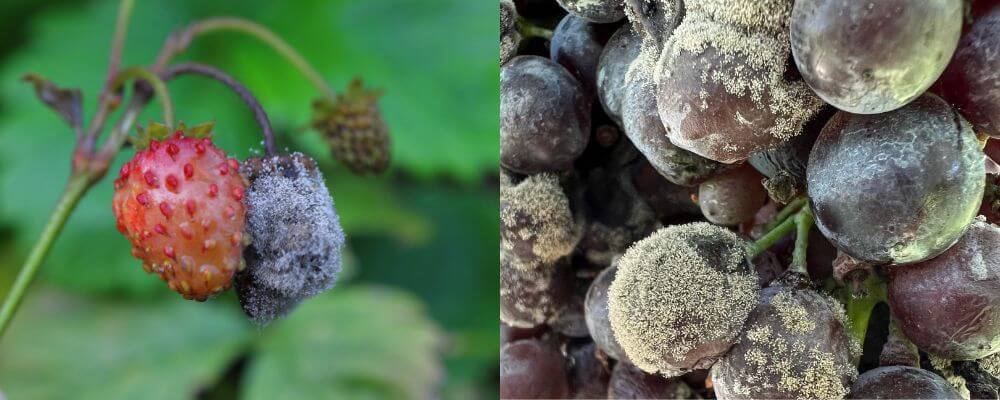
Botrytis, or gray mold, is a fungal disease that affects numerous plant species, particularly during periods of high humidity. It manifests itself with the appearance of grayish molds on fruits and flowers, causing rot. It mainly affects crops such as vines, strawberries and tomatoes.
Prevention and control
- Reduce the ambient humidity around the plants.
- Prune regularly to improve air circulation.
- Apply fungicides based on Bacillus subtilis.
 |
Would you like to receive our advice? Subscribe to our Newsletter - 8% discount now for you
|
Conclusion
Parasites are one of the main threats to plant health, causing significant economic damage and a significant reduction in agricultural production. Timely recognition of symptoms and the adoption of prevention and control techniques are essential to limit the damage. Proper agronomic practices, such as crop rotation, the use of resistant varieties and the introduction of natural antagonists, can make all the difference in the fight against these pests. Being informed and ready to intervene is the first step to ensuring healthy plants and sustainable agriculture.
Share this content








 Chronology
 Citrus fruits
 Turf
 Stone fruit
 Olive tree
 Ornamental
 Vegetables
 Actinidia (Kiwi)
 Screw
 Hobbies and insights
 Pome Fruit


