
Your cart
There are no more items in your cart
How to grow broom?
Categories :
Chronology
, Ornamental
Index
The different species of Broom
Growing broom is a relatively simple process, but it requires some precautions to ensure maximum plant development and lush flowering. Brooms are hardy plants that tolerate the Mediterranean climate well and are prized for their fragrant yellow flowers. Let's take a step-by-step look at how to care for them and what are the best practices for growing them.
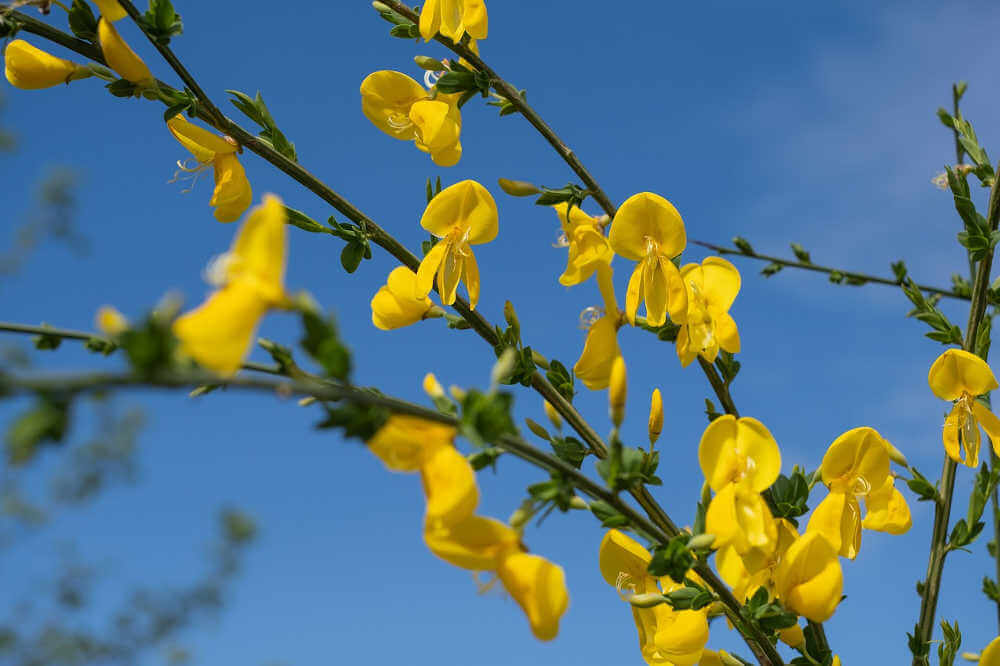
What is Broom?
Broom is a plant belonging to the Fabaceae family, native to the temperate regions of the Mediterranean. It grows wild in hilly areas and along the coasts, but it can also be grown in gardens for its beauty and resistance. The most common species is the common broom (Spartium junceum), characterized by thin branches and woody stems, which can reach a height of about three meters.
The different species of Broom
There are numerous species of broom, in addition to the more common Spartium junceum, including:
- Cytisus scoparius (Charcoal broom): it is one of the most widespread species in Europe. It has dark green leaves and golden yellow flowers. This variety is very resistant to drought and is often used in renaturalization projects in degraded areas.
- Genista tinctoria (Ginestra tintoria): known for its historical use in dyeing fabrics, this plant produces flowers from which a yellow dye was extracted.
- Genista aetnensis (Etna broom): native to Sicily, it is adapted to volcanic soils and has a shrubby habit similar to Spartium junceum, but is also able to grow in nutrient-poor soils.
These species have slightly different characteristics in terms of climatic resistance and practical uses, but they share the ability to grow in poor soils and in difficult conditions.
Terrain and exposure
Broom are plants that prefer well-drained soil, even stony or calcareous. They do not require a soil that is particularly rich in nutrients, which makes them suitable for poor or infertile soils, where other plants would have difficulty growing. However, it is important that the soil is not prone to waterlogging, as these can cause root rot, a common problem for many plant species.
Light exposure
As sun-loving plants, broom should be grown in a well-exposed location, where they can receive direct sunlight for at least 6-8 hours a day. The plant is particularly suitable for Mediterranean climates, resisting well to high temperatures and drought.
Sowing and multiplication
Broom can be propagated by sowing or cuttings.
Sowing
The sowing of broom is carried out in spring, when temperatures begin to warm up. The seeds should be placed in a light, well-drained substrate. It is recommended to soak the seeds in warm water for about 24 hours before sowing, in order to soften the integument and facilitate germination. Germination can take several weeks, so it's important to keep the soil moist but not soggy.
Multiplication by cuttings
Another effective method of growing broom is through multiplication by cutting. This process can be carried out in summer, by taking semi-woody branches and planting them in a mixture of sand and peat. Cuttings should be kept in a shady and moist place until rooting.
Irrigation
Once established, broom is a plant that needs little care, especially with regard to irrigation. It is able to tolerate long periods of drought, so it does not need frequent watering. In the case of cultivation in the garden, watering must be reduced to a minimum, especially during the winter season, when the plant enters a vegetative dormant phase. It is important to avoid overwatering, which can damage the root system.
Pruning
Pruning broom is an important operation to keep the plant healthy and promote balanced growth. Pruning is carried out in autumn, after flowering, removing dry branches and shortening longer ones to maintain a compact shape. This will promote abundant flowering in the following season.
General care and diseases
Brooms are generally rustic and resistant plants, not very prone to diseases. However, they can be attacked by some parasites.
How to Treat Broom Pests
Broom can be attacked by different pests, the most common being aphids, whitefly and mealybug. Here's how to address these issues with different approaches:
1. Conventional Wrestling
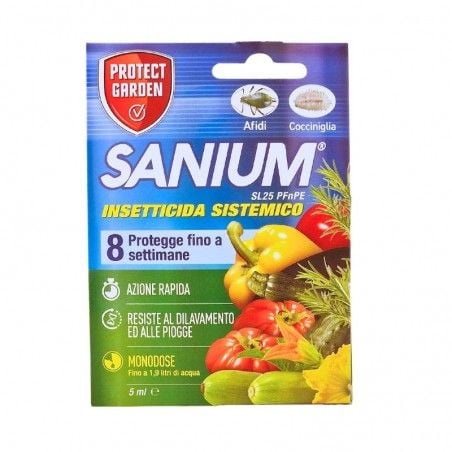
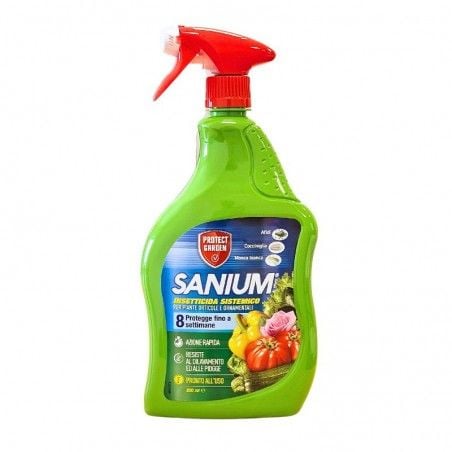
For quick and effective intervention, you can use a systemic insecticide such as Sanium SLor Saniulm Al . Sanium sl is effective against these parasites and should be diluted in the following proportion: 5 ml in 2 liters of water.
|
|
|
|
2. Organic Approach
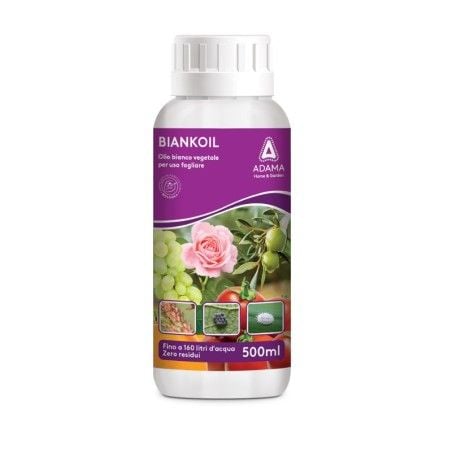
If you prefer an organic method, you can opt for Biankoil, a white vegetable oil that acts against aphids and mealybugs without being harmful to the environment. The recommended dilution is:
Biankoil : 10 ml in 5 litres of water.
|
|
3. Biological Control with Beneficial Insects
An increasingly common alternative, even in the apartment, is the use of beneficial insects, which fight pests in a natural way. You can learn more about how to use these insects in our article dedicated to beneficial insects.
It is also important to watch out for fungi, especially if the plant is grown in soil that is too wet.
Advantages of growing broom
- Growing broom offers numerous advantages:
- Low water requirements, suitable for arid climates.
- Decorative plant thanks to its abundant yellow flowering.
- Resistance to harsh conditions such as poor soils and salinity.
- Ability to enrich the soil with nitrogen, thanks to its leguminous nature.
Would you like to receive our advice? Subscribe to our Newsletter - 8% discount now for you
|
|
Conclusion
In conclusion, growing broom is an ideal choice for those who want a hardy, ornamental, and low-maintenance plant. Broom is perfect for Mediterranean gardens, where they can thrive even in difficult conditions. By following a few simple rules, such as choosing the right soil, ensuring good sun exposure and pruning regularly, it will be possible to enjoy the beauty and scent of these plants for many years.
Not only do brooms add color and structure to gardens, but they are also a great choice for restoring poor or degraded soils , due to their ability to fix nitrogen in the soil and improve fertility. Choosing to grow a plant like broom is therefore not only an aesthetic decision, but also a sustainable and beneficial option for the environment.
Share this content





 Chronology
 Citrus fruits
 Turf
 Stone fruit
 Olive tree
 Ornamental
 Vegetables
 Actinidia (Kiwi)
 Screw
 Hobbies and insights
 Pome Fruit


