
Your cart
There are no more items in your cart
The Dragon Fruit in Italy: a new growing crop
Categories :
Chronology
, Hobbies and insights
Index
The Cultivation of Dragon Fruit in Italy
Pitaya Fertilization: Technical Guide
The Harvesting and Consumption of Dragon Fruit
Challenges of Growing Dragon Fruit in Italy
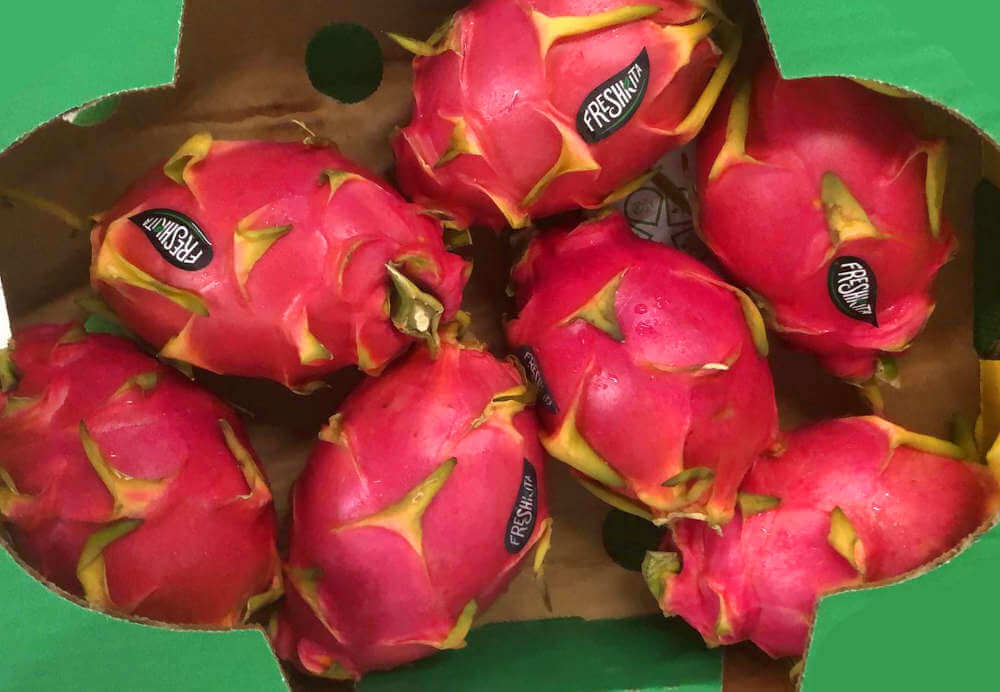
In recent years, dragon fruit, also known as pitaya, has gained more and more popularity in Italy due to its beneficial properties, exotic appearance, and sweet taste. Although native to the tropical regions of Central and South America, pitaya is progressively spreading to different areas of the Mediterranean, including Italy. But is it really possible to grow this fruit in our country? And what are the ideal conditions for it to thrive?
The Cultivation of Dragon Fruit in Italy
Dragon fruit belongs to the Cactaceae family, succulent plants native to arid and semi-arid areas. This makes it particularly suitable for hot and dry climates. In Italy, the cultivation of pitaya is possible especially in southern regions, such as Sicily, Calabria, Basilicata and Puglia, where the climatic conditions are similar to those of the plant's countries of origin. However, even in other coastal areas of central Italy, cultivation can be successful, as long as adequate shelter from cold winds and frosts is guaranteed.
Pitaya plants require mild temperatures throughout the year and do not tolerate intense cold. Temperatures below 10°C can be harmful, while prolonged frosts can lead to the death of the plant. For this reason, many crops in Italy are carried out in greenhouses or with protected cultivation techniques that allow a stable microclimate to be maintained.
Types of Pitaya That Can Be Cultivated
There are several varieties of dragon fruit that can be grown in Italy, including:
- Hylocereus undatus: The pitaya with white flesh and pink skin.
- Hylocereus costaricensis: The red-fleshed pitaya, highly prized for its sweet flavor.
- Hylocereus megalanthus: The pitaya with white flesh and yellow skin, considered one of the most valuable varieties.
Each variety has similar growing needs, but they are distinguished by the flavor, texture, and appearance of the fruits.

The ideal climatic conditions
As mentioned, dragon fruit thrives in hot and dry climates. The plants need direct sun for at least 6-8 hours a day to promote vigorous growth and the production of quality fruit. However, they must be protected from extreme conditions such as prolonged drought or excessive sun exposure, which can cause damage to the younger parts of the plant.
The ideal soil for growing dragon fruit is well-draining, sandy, or slightly loamy, with a neutral or slightly acidic pH. The plants do not tolerate soils that are too heavy or subject to waterlogging, which can promote the appearance of fungal diseases and root rot.
Fertilizing Pitaya
Proper fertilization is essential to obtain an abundant and quality production in the cultivation of pitaya (or dragon fruit). To maximize the effectiveness of the treatment, it is advisable to follow a precise fertilization program, starting with an analysis of the soil to check for any deficiencies or imbalances.
When to Fertilize Pitaya
- Organic Fertilization (Autumn) Organic fertilization must be carried out before winter, to enrich the soil with organic matter and prepare it for the cold season. Products such as manure or mycorrhiza-activated compost provide humic acids, improve soil structure and promote microbial activity, which is essential for root health.
- Mineral fertilization (late winter) At the end of winter, before the vegetative restart, it is the ideal time to apply a ternary mineral fertilizer (NPK), which provides the macroelements necessary for the balanced development of the plant:
- Nitrogen (N): stimulates the growth of leaves and green parts.
- Phosphorus (P): promotes root development and flowering.
- Potassium (K): improves the quality of the fruit, increasing its sweetness and resistance to environmental stresses.
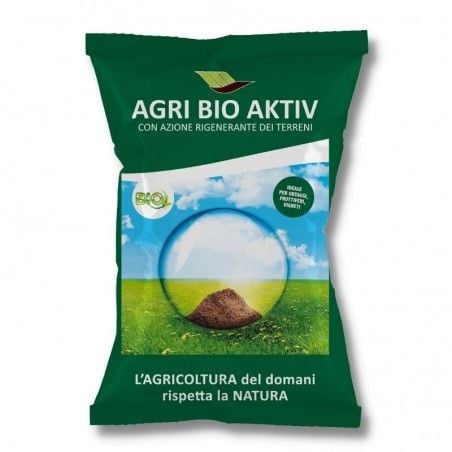
On soils with a good supply of organic matter, we recommend the use of Vigor Top at a dose of 0.5-1 kg per plant.

|
|

|
The Harvesting and Consumption of Dragon Fruit
The harvest of dragon fruit generally takes place between late summer and early autumn, depending on the climatic conditions and the variety grown. The fruits are ready to be harvested when the skin takes on a bright color and the inner flesh is soft to the touch.
Dragon fruit is highly prized for its mild, slightly sweet, and refreshing flavor. It can be eaten fresh, cut in half and eaten with a spoon, or used in a wide range of culinary preparations, such as smoothies, fruit salads and desserts.
Nutritional Benefits
Dragon fruit is known for its nutritional properties. It is rich in antioxidants, especially vitamin C, and contains high amounts of fiber that aid digestion. In addition, it is a good source of calcium, phosphorus, and magnesium, minerals that are essential for bone and muscle health. Due to its low calorie content and high concentration of water, dragon fruit is particularly suitable for low-calorie and detoxifying diets.
The Challenges of Growing Dragon Fruit in Italy
While dragon fruit cultivation is promising in Italy, there are some challenges to be faced. One of the main difficulties is related to the plant's sensitivity to cold . In regions with harsher winters, protective measures should be taken, such as growing in greenhouses or using frost covers. In addition, the availability of water is another critical factor. While pitaya is drought-tolerant, it is important to provide regular watering during the summer season, when high temperatures can cause water stress.
Finally, labor is an aspect to consider. Regular pruning is necessary to keep the plant healthy and promote abundant fruit production. In addition, harvesting the fruits by hand requires care, as the thin skin can be easily damaged.
Would you like to receive our advice? Subscribe to our Newsletter - 8% discount now for you
|
Conclusion
In conclusion, dragon fruit represents an emerging crop in Italy, with an expanding market both nationally and internationally. Thanks to its nutritional characteristics and growing interest in exotic products, pitaya has the potential to become an attractive niche crop for Italian producers, especially in the southern regions. However, cultivation requires a good knowledge of agronomic techniques and the climatic needs of the plant. With the right practices, pitaya can also adapt to our latitudes, offering quality fruits that meet the growing market demand.
Share this content














 Chronology
 Citrus fruits
 Turf
 Stone fruit
 Olive tree
 Ornamental
 Vegetables
 Actinidia (Kiwi)
 Screw
 Hobbies and insights
 Pome Fruit


