
Your cart
There are no more items in your cart
Mycorrhizae: how and when to use them in agriculture
Categories :
, Chronology

Mycorrhizae are symbiotic fungi that are highly beneficial for plants. Studies on the benefits of mycorrhizal fungi began in the 1800s and are headed by the Italian botanist Giuseppe Gibelli, who discovered mycorrhizae in 1982.
Mycorrhiza attaches to roots and is naturally present in the soil (it is estimated that 90% of plants present in nature are mycorrhizal, but not in the same percentage)
Index
What are mycorrhizae used for?
How and when to use mycorrhizae?
***
***
When we talk about mycorrhizae, we refer to fungi naturally present in the soil and that live in symbiosis with plants in a relationship that is defined as mutualistic symbiosis.
But what does it mean?
In this type of relationship, both the fungus and the plant mutually benefit from each other:
- The fungus receives nutrition from the plant
- The plant optimizes its ability to absorb nutrients
Let's start by saying that in nature there are two different types of mycorrhizal fungi:
- ectomycorrhiza, unable to interact with the plant cell
- Endomycorrhizae: these are the most functional mycorrhizae which, by penetrating directly into the cell of the host plant, make use of the hyphal structure for the exchange of nutrients
***
Would you like to receive our advice? Subscribe to our Newsletter - 8% discount now for you
|
***
What are mycorrhizae used for?
Endomycorrhizae maximize the beneficial and symbiotic relationship with the plants to which they attach. These fungi create their roots, from which the saps grow, expanding from the root hairs of the plant.
In addition, they deposit vesicles which are small warehouses that the plant will use in times of possible stress. These vesicles contain water and micronutrients.
Controlled mycorrhization: the advantages for agriculture
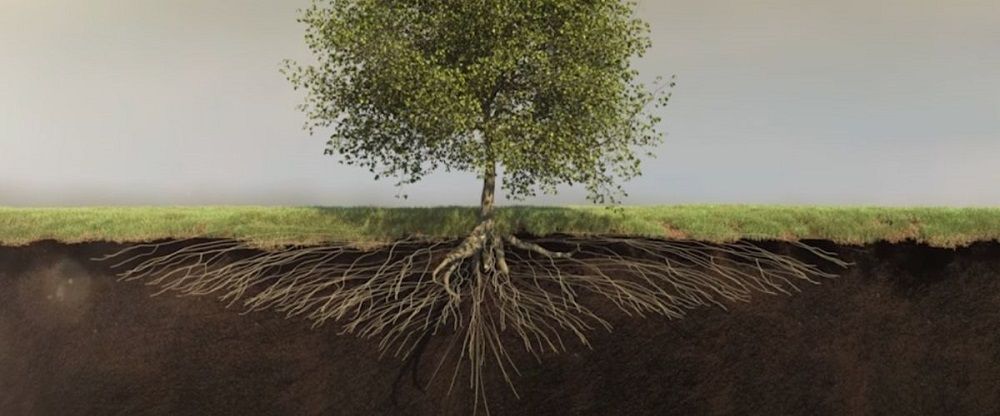
Controlled mycorrhization, i.e. non-standard mycorrhization naturally present in the soils, allows the plant to expand the entire explorable rhizosphere up to 600/800 times.
What does all this translate into and, above all, what is the difference between a mycorrhizal and a non-mycorrhizal plant?
Thanks to the expansion of the root mass, the surface area explored by the plant is significantly increased and this involves:
- Optimized plant health and increased vigor
- the greatly improved absorption capacity
- the ability to release nutrients present in the soil and then let them be absorbed by the plant much greater than that of the non-mycorrhizal plant.
The size of the hypha, which is calculated to be a twenty-fifth of a hair, already makes us understand how much more it can penetrate the ground.
A final advantage is that of water management.
If mycorrhizal plants were to enter the stress phase, they would be able to draw on the source of water and micronutrients contained in the vesicles we talked about in the previous paragraph.
For this reason, it would be able to manage stress much better and have a much longer duration.
In this case, the water management of a mycorrhized plant can also be calculated and optimized as needed.
***
***
How and when to use mycorrhizae?
For those who have had problems with bacteriosis in the previous year, or simply for those who want better performance of the plant, it is essential to include the use of Mycorrhizae Micosat in the agronomic plan.
The action of mycorrhizae is manifold:
- Defense of the root system from fungi (e.g. Armillaria, Fitoftora and Verticillosi) and bacteriosis (Pseudomonas, Xanthomonas, PSA)
- Thanks to the symbiosis that is created between roots and mycorrhizae, the plant benefits from a faster and easier use of the nutrients already present in the soil and in particular of phosphorus, an element that is not very mobile.
- Expansion of the root system.
To make the most of these products, it may be a good idea to intervene first with Bioplant at a dose of 10 lt/Ha, to bring the soil into a condition of biological vacuum, to be then occupied by applying Micosat F Mo and then with beneficial fungi and bacteria
Share this content


 Chronology
 Citrus fruits
 Turf
 Stone fruit
 Olive tree
 Ornamental
 Vegetables
 Actinidia (Kiwi)
 Screw
 Hobbies and insights
 Pome Fruit


