
Your cart
There are no more items in your cart
How to get rid of stone fruit / Pome fruit capnode
By :
LA FROSCIA -
Categories :
Chronology
, Stone fruit
Fight against stone fruit capnodion
Index
How to fight the stone fruit capnode
Chemical control against capnode adults
Tips for the effectiveness of nematodes
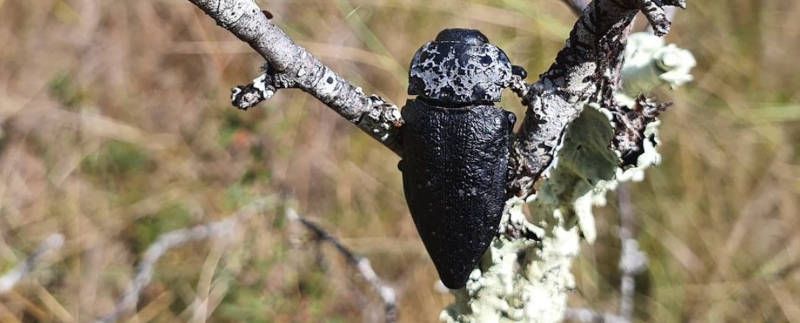
1. How to fight the stone fruit capnode
The Capnode or stone fruit capnodium, also known as the black rosaceae buprestid (capnodis tenebronis) is a specific parasite of rosaceae
As an adult it causes considerable damage to apricot, plum, almond, peach, cherry and hazelnut plants, preferably eating the petiole of the leaves and twigs.
It lays its eggs at the base of the plant and the larva, up to 7 cm long, overwinters at the base of the stump feeding on roots and the stump itself; with damage such as to kill adult and large trees.
It seems that in drier years the presence of stone fruit capnodium is stronger, and therefore it is necessary to carry out frequent monitoring in order to intervene against the adult before it lays its eggs, which begins in June and continues until September. It is clear that in this period the fight against the adult must be concentrated to prevent oviposition.
Would you like to receive our advice? Subscribe to our Newsletter - 8% discount now for you
|
|
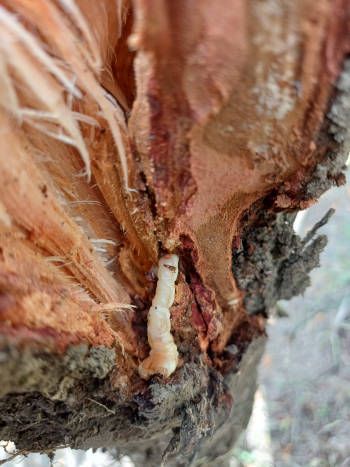
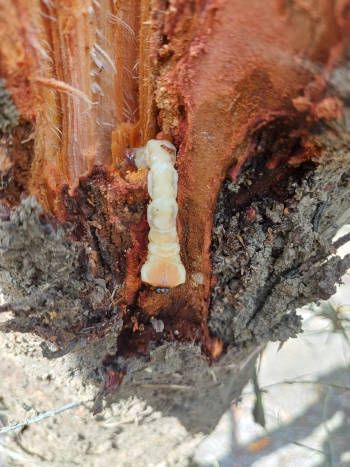
2. Chemical control against capnode adults
The chemical control of the capnode must be carried out against the adult by treating the aerial part, at the appearance of the parasite by mixing the following products:
- Control DMP at a dose of 50 ml/hl
- Laser at a dose of 35-40 ml/hl. (Bio)
- Lecithin 80 MS at 200 ml/hl (Bio)
A good fight against the adult reduces or eliminates the possibility of oviposition and therefore the presence of larvae.
3. Fight against capnode larvae
A strategy that in recent years has been very effective is the fight against larvae with the use of entomopathogenic nematodes.
The interventions must be carried out in fertigation in the spring and/or autumn period with:
Curative/preventive treatment if there has been a presence of adults who, although conflicted, may have laid eggs, localized to the strain of the parasitized plant, particularly if symptoms of wasting are felt.
4. Tips for the effectiveness of nematodes
Nematodes live and are active in humid environments, so we recommend that you wet the soil more frequently after their administration for about a month.
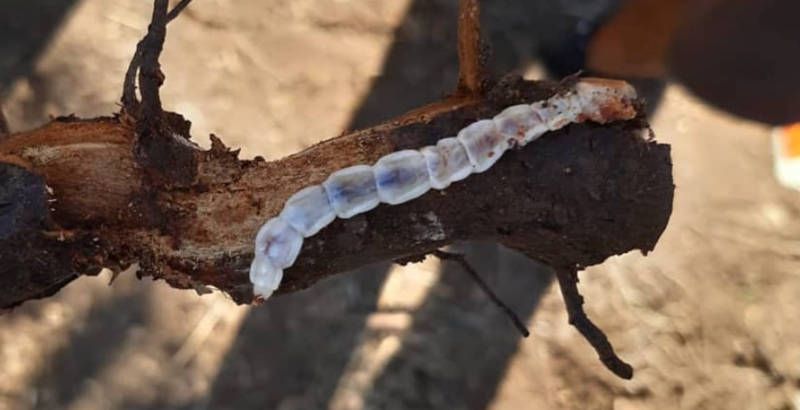
Share this content


 Chronology
 Citrus fruits
 Turf
 Stone fruit
 Olive tree
 Ornamental
 Vegetables
 Actinidia (Kiwi)
 Screw
 Hobbies and insights
 Pome Fruit


