
Your cart
There are no more items in your cart
How to Grow Gerberas: A Comprehensive Guide
Categories :
Chronology
, Hobbies and insights
, Ornamental
Index
Gerberas in pots or in the garden?
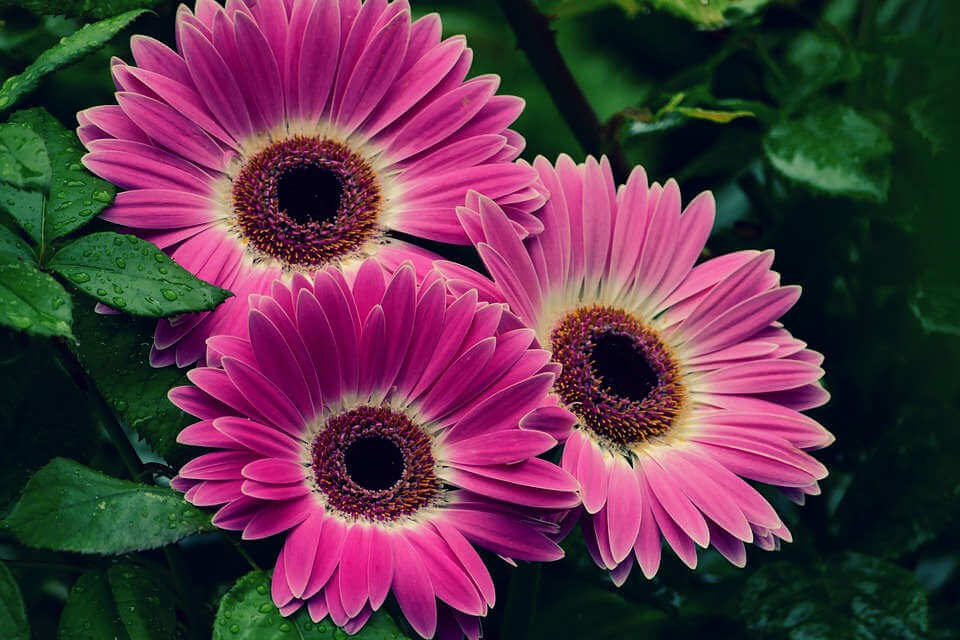
Gerberas, known for their brightly colored flowers and long stem, are among the most beloved ornamental plants. Native to Southern Africa, these plants are mainly grown for decorative purposes, both in pots and in the garden, and are also highly prized as cut flowers. The cultivation of gerberas requires special attention, but with the right care, they can grow luxuriantly and bloom for long periods.
Gerbera jamesonii
The gerbera (Gerbera jamesonii) belongs to the Asteraceae family and is prized for its daisy-like flowers. Due to their beauty and versatility, gerberas are widely used in gardening and floriculture. They can be grown both indoors and outdoors, as long as the right growing conditions are guaranteed.
Basic Growing Requirements
1. Climate and temperature
Gerberas prefer a temperate climate. They grow best at temperatures between 15°C and 24°C, with a moderate tolerance for cold. However, temperatures below 10°C can slow growth, while temperatures above 30°C can cause stress to the plant.
2. Light
Sunlight is essential for good gerbera growth. These plants love direct light, but in very hot environments, especially during the summer, it is preferable to ensure light shade to prevent the leaves from burning.
3. Terrain
The ideal soil for gerberas should be well-drained and slightly acidic, with a pH between 5.5 and 6.5. Soil that is too compact or retains too much water can cause root rot. It is advisable to mix the soil with sand or other draining material to facilitate the flow of water.
4. Watering
Gerberas require regular watering, but it's important to avoid waterlogging. Excess water can promote the development of fungal diseases. The advice is to water the plant only when the soil on the surface is dry. During the winter months, reduce water intake.
Cultivation techniques
1. Planting
Gerberas can be grown from seeds, from seedlings , or through the division of tufts. If you choose to sow, it is important to do so in a light substrate and maintain a constant temperature around 20°C to promote germination, which takes place in about 2-3 weeks.
2. Fertilization
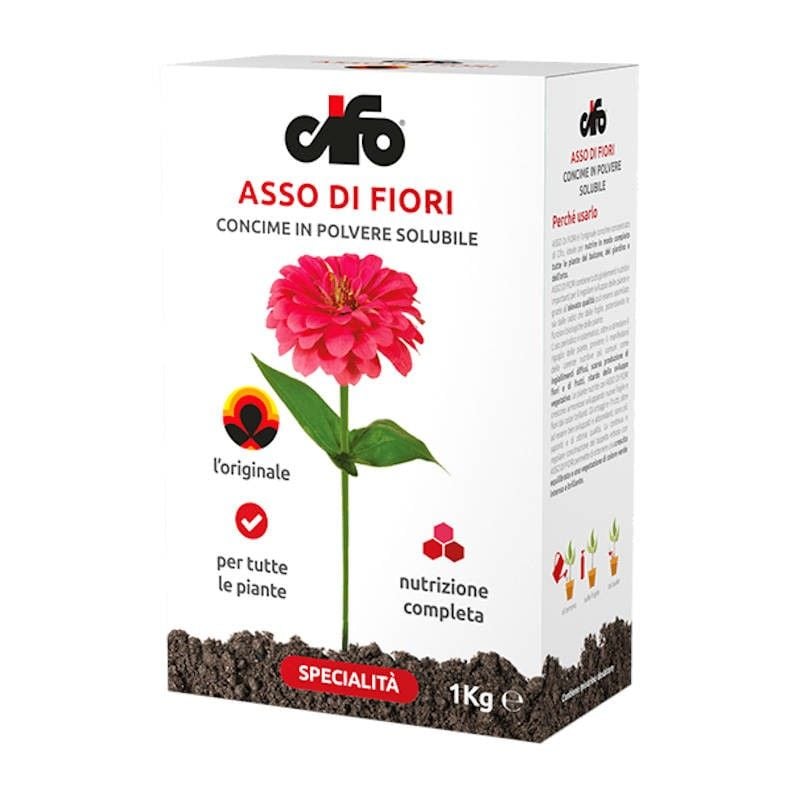
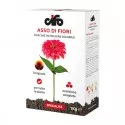
Gerberas need a regular supply of nutrients to maintain vigorous growth and abundant flowering. It is recommended to use Cifo Asso di Fiori : a balanced fertilizer every 15-20 days, without the need to alternate fertilizers rich in nitrogen for the development of the leaves with fertilizers richer in phosphorus and potassium to promote flowering.
 |
|
|
3. Pruning
Although gerberas do not require proper pruning, it is important to regularly remove wilted flowers and dry leaves to stimulate new blooms and keep the plant healthy.
4. Playback
Gerbera multiplication can occur in two main ways:
- Sowing: As mentioned, sowing takes place in spring in light soil. Once germinated, the young seedlings can be transplanted.
- Division of tufts: a widely used method for the propagation of adult gerberas. In autumn or early spring, the plant is gently pulled out of the soil and the heads are divided, taking care to keep a part of the root in each new plant.
Common diseases and pests
1. Root rot
One of the most common problems in gerbera cultivation is root rot, which is caused by overwatering or inadequate drainage of the soil. To prevent this, it is essential to avoid waterlogging and ensure good drainage.
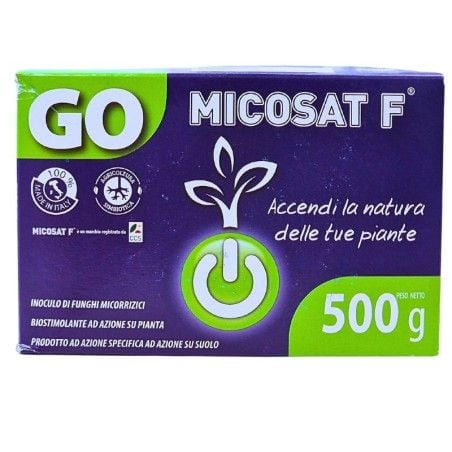
An essential intervention to improve root health by supporting the plant to better manage itself against root diseases is through the use of mycorrhizae, in particular Micosat F uno Go in the most strategic periods, which are early spring and late summer.
 |
|
|
2. Aphids and mites
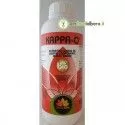
Gerberas can be attacked by aphids, mites, and other pests that can damage flowers and leaves. It is advisable to monitor the plant regularly and intervene promptly with specific treatments, preferably based on natural insecticides such as neem oil or through products that act mechanically such as Kappa-O.
 |
|
|
 |
|
|
3. Powdery mildew
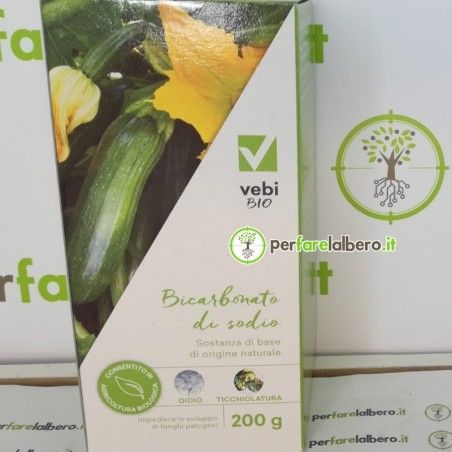
Powdery mildew is a fungus that manifests itself with a powdery white coating on the leaves. It is favored by high humidity conditions and can be treated with specific fungicides always allowed in organic such as Zolvis or through the use of natural remedies such as sodium bicarbonate.
 |
|
|
Seasonal care
Gerberas require different care depending on the season:
- Spring: This is the ideal time for planting or transplanting seedlings. It is important to provide a good supply of nutrients and start watering regularly.
- Summer: During the hot months, it is important to monitor watering and protect the plant from the hottest hours of the day.
- Fall: Gerberas can be multiplied by division in this season. Gradually reduce watering as temperatures drop.
- Winter: Gerberas enter a resting phase. It is essential to drastically reduce watering and, if grown outdoors, protect the plants from frost with mulch or by transferring them to a protected environment.
Gerberas in pots or in the garden?
Gerberas can be grown both in pots and in the garden. In pots, it is important to choose a container that allows good drainage and place it in a bright area. In the garden, on the other hand, gerberas can be planted in flower beds or borders, where they can become a focal point thanks to their brightly colored flowers.
Regardless of the choice, it is essential to ensure well-drained soil and not expose the plant to too extreme climatic conditions.
Would you like to receive our advice? Subscribe to our Newsletter - 8% discount now for you
|
|
Conclusion
Growing gerberas is not particularly difficult, but it does require some attention to environmental conditions and soil. Plants need adequate light, regular watering and a good supply of nutrients to flourish luxuriantly. With the right care, these plants can decorate gardens and balconies for much of the year, giving spectacular blooms.
In summary, the key words for growing gerberas are: light, drainage, nutrition and good disease management.
Share this content





 Chronology
 Citrus fruits
 Turf
 Stone fruit
 Olive tree
 Ornamental
 Vegetables
 Actinidia (Kiwi)
 Screw
 Hobbies and insights
 Pome Fruit


