
Your cart
There are no more items in your cart
Complete Guide to Apple Treatments
By :
LA FROSCIA -
Categories :
Chronology
, Pome Fruit
Index
Complete Apple Management Calendar
September/October - Post-harvest treatment
November/December - Organic fertilization on the ground
November/December - Surgery at Bruno
Bud Enlargement Phase: Nutrient Supply
Green Tips Phase: nutrition and prevention
Rat Ears Stage: Bloom Stimulation
Phase of the Surfacing Bunches: Nourishment and Protection
Full Bloom: Essential Nutrition
End of Petal Fall: Defense Against Aphids
Main diseases of the apple tree
Introduction
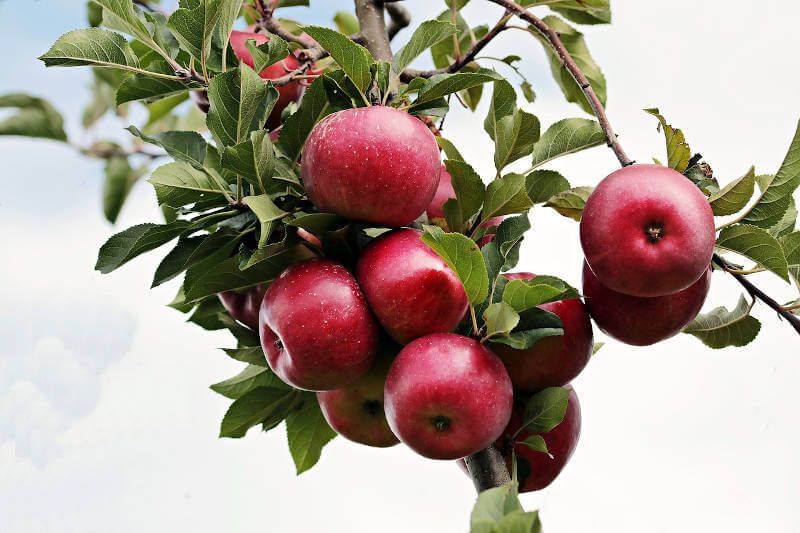
Apple tree treatments are essential to ensure good production and preserve the health of the trees. The intervention calendar for the apple tree must follow the different phenological phases of the plant, in order to apply phytosanitary treatments at the most appropriate time. Below we see an apple treatment plan that integrates fertilization and phytosanitary interventions for protection from diseases and pests.
Complete Apple Management Calendar
The apple tree, the second crop in Europe after Poland, represents one of the most important productions in Italy, with over 20,000 varieties grown in the world. Cultivating apple trees successfully requires an approach that is attentive to the needs of the plant, both in terms of climate and agronomy.
Climate and Soil Requirements
The apple tree thrives in temperate or cold climates, resisting down to -25°C, making it ideal even for high-altitude crops. A crucial aspect for its development is the need for cold: the apple tree needs about 1000 hours at temperatures between 0 and 7°C to promote the awakening of the buds.
The ideal soil for the apple tree is deep, well-drained, with a pH between 6.5 and 7, and must have good fertility to promote healthy root and stem growth.
Phytosanitary treatments of apple trees
September/October - Post-harvest treatment
The first treatment of the apple tree after harvesting is crucial to disinfect the wounds caused during harvesting and prevent fungal diseases. A copper-based treatment and products such as:
- Cobre nordox (150 g/hl) and
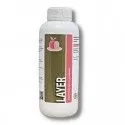
- Layer (100 ml/hl).
Technical reason : This copper-based apple phytosanitary treatment has a disinfectant and healing action, useful for the wounds that are created during harvesting. The Layer is a surfactant wetting agent that improves the distribution of the product on the leaf surfaces.
November/December - Organic fertilization on the ground
During this time, organic fertilization based on
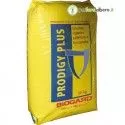
- Prodigy Plus (1 kg/plant) to be distributed under the canopy.
Technical reason : This slow-release organic fertilizer provides essential nutrients for the apple tree during vegetative rest, promoting root development and improving soil structure.
November/December - Surgery at Bruno
To prevent the establishment of fungal diseases such as apple scab, a phytosanitary apple treatment based on
Applying this fungicide in the "brownwood" phase helps to keep the apple tree healthy during dormancy.
Winter fertilization
During the winter, it is necessary to fractionate the nitrogen and potassium inputs in order to ensure a constant supply during the different vegetative phases.
Fractional contributions:
- February (pre-flowering)
- Fruit set
- Fruit enlargement
- Late summer (early autumn)
Nitrogen is crucial for stimulating vegetative growth, while potassium is crucial for fruit development. Calcium and magnesium must be supplemented to prevent physiological pathologies such as bitter pitting.
Gem Enlargement Phase:Nutrient Supply |
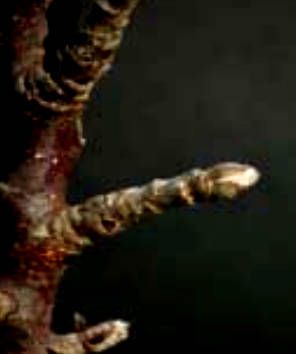
This is a crucial phase for the apple tree, as it begins to provide the necessary nutrients for the storage of energy reserves to support bud growth and the formation of new shoots.
Recommended intervention:
- Agroleaf 31.11.11 (300 g/hl),
- Feed bud (200 ml/hl), and
- Captan (200 g/hl).
This intervention supports the buds in the vegetative awakening phase.
Would you like to receive our advice? Subscribe to our Newsletter - 8% discount now for you
|
Green Tips Phase:Nutrition and Prevention |
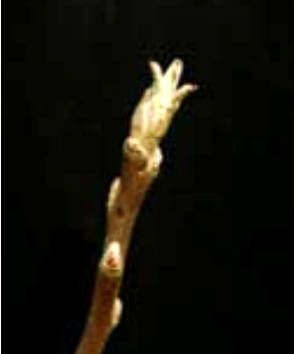
During this delicate phase, the plant needs specific nutrients and fungicide protection:
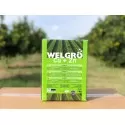
- Welgro Cu/Zn (200 g/hl) and
- Inex A (30 ml/hl).
Treating the apple tree at this stage helps to strengthen the plant's resistance against stress.
Stage of Mouse Ears:Bloom Stimulation
|
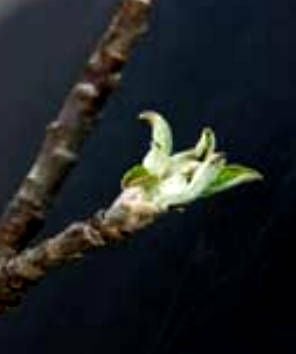
At this stage, the supply of biostimulants is essential to stimulate flowering and improve the quality of the harvest.
Phase of the Surfacing Decks:Nourishment and Protection |
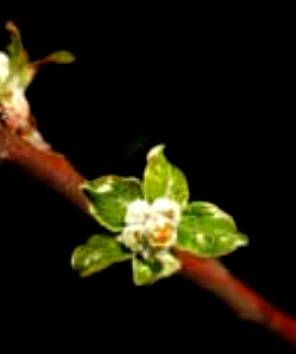
At this stage, it is crucial to protect the plant from fungal infections and support vegetative growth with additional nutrients.
Protection from frosts: During the most delicate phases, such as flowering, it is important to protect plants from late frosts. Killer Frost, applied a few hours before the event, can protect vegetation down to -4°C.
Full Bloom:Essential Nutrition |
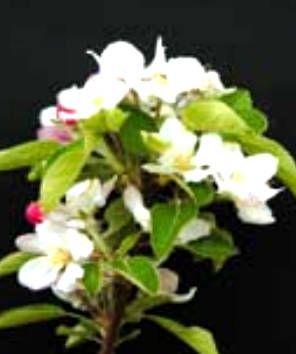
During flowering, it is important to continue to provide nutrients to ensure the production of healthy and abundant fruits.
Recommended intervention:
- Maxi grow (100 ml/hl),
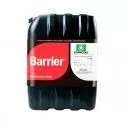
- Barrier Si/Ca (250 ml/hl), and
- D-FENS GR (50 ml/hl).
End of Petal Fall:Defense Against Aphids |
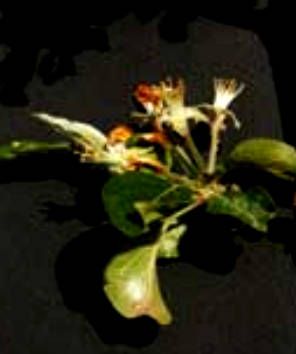
After the petals have fallen, it is important to prevent aphid infestation, which can affect the quality of the fruit.
Recommended intervention:
- Inex A (30 ml/hl),
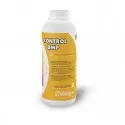
- Control DMP (50 ml/hl),
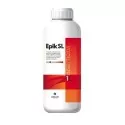
- Epik SL (200 ml/hl), and
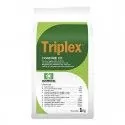
- Triplex (150 ml/hl).
Fruit set
During fruit set, it is necessary to continue phytosanitary treatments of the apple tree to support fruit development. Attention to protection from diseases such as scab and powdery mildew of apple trees is essential to avoid damage.
Main Apple Diseases
Scab (Venturia inaequalis): The most fearsome fungal disease in humid and rainy areas. Preventive treatments with copper and sulfur products are essential. Resistant varieties should still receive treatment in the riskiest periods (early vegetation, pre- and post-flowering).
Powdery mildew (Podosphaera leucotricha): Treatments with sulfur or calcium polysulfide are effective. It is advisable to perform 5-10 treatments from March to June, especially in the hills.
Grey and woolly aphid: Preventive apple treatments in pre and post-flowering with azadirachtin (neem) or white oil for the control of aphids. The woolly aphid is naturally controlled by Aphelinus mali, a useful insect that parasitizes aphids.
Codling moth (Cydia pomonella): It can be combated with several strategies, including sexual confusion and the use of roundworms (Steinernema carpocapsae) to reduce overwintering larvae.
Rhodiwood: Pheromone traps or sexual confusion are effective in reducing the attack of these insects that dig tunnels in the wood.
Share this content





 Chronology
 Citrus fruits
 Turf
 Stone fruit
 Olive tree
 Ornamental
 Vegetables
 Actinidia (Kiwi)
 Screw
 Hobbies and insights
 Pome Fruit


