
Your cart
There are no more items in your cart
How to fight cabbage: Technical and practical guide
Categories :
Chronology
, Vegetables
Index
Life cycle of cabbage
Symptoms and damage
Prevention and control

The cabbage (Pieris brassicae) is a moth that can cause serious damage to cruciferous crops, such as cabbage, broccoli and turnips. The larvae are particularly harmful, as they feed on the leaves, causing severe defoliation.
1. Cabbage Life Cycle
Females lay eggs in clusters on the underside of the leaves. The larvae, once born, begin to feed on the leaf tissue, causing holes and, over time, significant defoliation. The adults, although harmless to plants, are responsible for spreading the infestation.
2. Symptoms and Damage
The main damages caused by cabbage include:
- Irregular holes on the leaves,
- Total defoliation in case of severe infestations,
- Presence of blackish droppings, which can promote the onset of secondary diseases.
3. Prevention and control of cabbage
Timely control of larvae is essential to avoid irreversible damage. The use of pheromone traps can aid in the monitoring of adult populations. For larvae control, there are both biological and chemical solutions.
Would you like to receive our advice? Subscribe to our Newsletter - 8% discount now for you
|
|
Recommended interventions for users without a license
Users without a license can use this mixture represented by biological solutions that respect the environment:
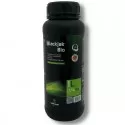
- Black Jack: organic fertilizer based on humic and fulvic acids, used to regulate the pH of irrigation water. Adjusting the pH to neutral levels is crucial to ensure the effectiveness of Bacillus thuringiensis products, such as Lepinox. It is recommended to use 20 ml of Black Jack in 10 liters of water.
- Lepinox PNFPE: A biological insecticide based on Bacillus thuringiensis, which acts on larvae without harming beneficial insects. The recommended dose is 20 ml in 10 liters of water. It is particularly effective in the early stages of infestation.
Interventions for professional users
Professional farmers with a license can use this mixture of products that require greater precision in application:
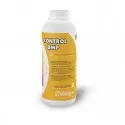
- Control DMP: It is a fertilizer based on nitrogen and phosphoric acid, which is used to regulate the pH of water. Proper pH management is essential for the effectiveness of insecticide treatments, such as those based on Bacillus thuringiensis. Recommended doses: 50 ml per hectoliter.
- Xentari: Product based on Bacillus thuringiensis specific for larval control. It is effective on advanced infestations and under high pressure conditions. The recommended dose is 150 ml per hectoliter.
Share this content


 Chronology
 Citrus fruits
 Turf
 Stone fruit
 Olive tree
 Ornamental
 Vegetables
 Actinidia (Kiwi)
 Screw
 Hobbies and insights
 Pome Fruit


