
Your cart
There are no more items in your cart
Scab of the apple tree Venturia Inaequalis: Defense Strategies
By :
LA FROSCIA -
Categories :
Chronology
, Pome Fruit
Index
How to defend yourself from apple scab with organic strategies
Comprehensive management strategy
Frequently asked questions about apple tree ticking
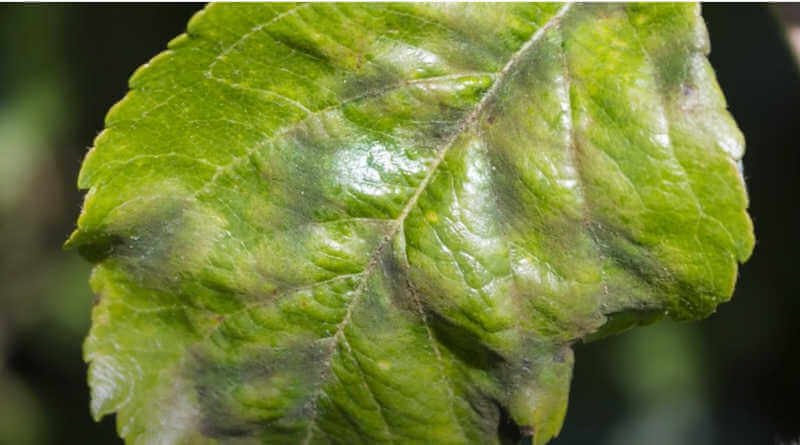
Apple scab, also known as "scabies," is one of the most prevalent and problematic fungal diseases for apple growers. Caused by the fungus Venturia inaequalis, this disease can seriously compromise the production and quality of the fruit, making it necessary to adopt effective strategies for defense and treatment. In this article, we will explore in detail the cycle of the disease, symptoms, damage, and remedies for apple scab, with a focus on biological strategies.
Cycle of the disease
Apple scab is caused by the fungus Venturia inaequalis, which overwinters on infected leaves that have fallen to the ground and releases spores in spring. These spores are carried by wind and rain, infecting leaves and fruits as soon as they settle on damp surfaces. Wet and rainy weather conditions favor the spread of this disease, making it essential to understand its cycle in order to implement effective preventive interventions.
During autumn, the infected leaves fall to the ground, where the fungus overwinters while waiting for milder temperatures. In early spring, the spores are released and find in the new leaves and shoots an ideal environment to develop. This cycle repeats until the arrival of the cold seasons, making preventive and curative treatments essential to limit the damage.
Symptoms
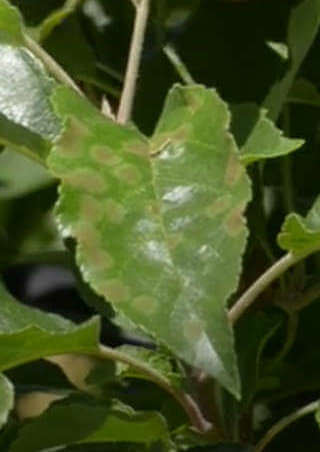
Recognizing the symptoms of apple scab is essential for early diagnosis and an effective defense strategy . The first marks appear on the leaves as dark, roundish spots with a velvety appearance. These spots enlarge over time, causing the leaves to fall prematurely. On fruits, the spots are similar, but they may have a more rigid and protruding appearance. Affected fruits develop dark, crusty areas that compromise their marketability and, in severe cases, their edibility. Why does apple scab occur?Apple scab develops in conditions of prolonged humidity, with temperatures between 12 and 24°C. Heavy rainfall and poor ventilation within the apple canopy increase the risk of infection, as humidity is a determining factor for the germination of Venturia inaequalis spores. What does apple scab look like?The initial infection is manifested by dark spots on the top of the leaves. These lesions, if left untreated, can spread to the fruits and branches, causing deformations and the loss of commercial value of the crop. If you do not intervene promptly with appropriate treatments, apple scab can progress and compromise the entire plant. The damageThe damage caused by apple scab is not only cosmetic, but can also compromise the health of the tree and fruit production. A severe infection can lead to reduced photosynthesis due to leaf loss, slowing plant growth and limiting fruit production in later years. |
How to prevent apple scab
Prevention is the key to combating apple scab. Here are some effective preventive practices:
- Remove and destroy fallen leaves: Removing infected leaves from the soil reduces the amount of spores ready to infect the tree in the spring.
- Pruning: Promoting good ventilation inside the canopy reduces humidity and hinders the development of the fungus.
- Preventative treatments: The use of organic fungicides, such as potassium bicarbonate, can help prevent infection in the early stages of the disease.
How to defend yourself from apple scab with organic strategies
Apple scab, caused by the fungus Venturia inaequalis, is one of the most common and harmful diseases for this crop. The organic approach in the management of scab is essential to protect the plant while respecting the environment. Below, we present the main strategies and recommended products for the effective control of this condition.
Use of antagonistic fungi
Antagonistic fungi, such as Trichoderma, are known for their ability to compete with Venturia inaequalis for space and nutrients, reducing engraftment and the spread of disease. An effective product in this category is Remedier, which can be applied regularly to create a natural protective barrier on plants.
Biostimulants to strengthen natural defenses
Biostimulants are essential for boosting the immune defenses of plants. The combination of Biobacter and Silver by LG Italia is an excellent mixture to strengthen the cellular structures of the apple tree, improving its resistance to fungal infections: thanks to the use of this mixture the spores present will be destroyed by the strength of the active ingredient of the mixture.
Natural cuprics
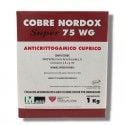
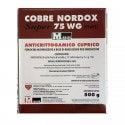
The use of copper-based products is an effective preventive method to control apple scab, as long as it is dosed correctly to avoid harmful accumulations in the soil. Cobre Nordox is a great option to include in preventative and curative treatments to be set up throughout the winter, thanks to its balanced formula that combines the fungicidal action of copper with nutrients.
Would you like to receive our advice? Subscribe to our Newsletter - 8% discount now for you
|
Comprehensive management strategy
For complete protection, it is recommended to follow an integrated management program:
- Application of Remedier for soil inoculation and foliar use as basic protection.
- Biobacter + Silver to eliminate fungal proliferation and grow new healthy vegetation and increase resistance to pathogens.
- Cobre Nordox for preventive interventions during critical phases, such as the beginning of the wet season, to limit spore germination.
These integrated strategies and organic products help to keep apple trees healthy, reducing the incidence of scab and promoting more sustainable cultivation.
Other interesting strategies
Monitoring of climatic conditions
Installing weather stations to monitor climatic conditions helps to predict periods of greatest risk and plan preventive treatments for apple scab.
Application of Wood Extract
Some innovative products such as wood extract, can have an inhibitory effect on the development of Venturia inaequalis, contributing to the care and defense of the plant.
Apple scab is a complex challenge for growers, but it can be managed with an integrated approach that combines prevention, good growing practices and targeted biological treatments. Remember that careful monitoring, the use of resistant varieties and the application of natural products can make a difference in the defense and care of our apple trees.
Frequently asked questions about apple scab
How can I recognize apple scab on the leaves?
- It appears as dark, roundish and velvety spots on the upper part of the leaves.
When is the best time to apply apple tree treatments?
- Before spring and after heavy rains, to prevent the spread of the fungus.
What are the most effective biological treatments?
- Natural biostimulants and antagonistic fungi such as Trichoderma.
Can apple scab be defeated only by pruning?
- Pruning helps but it is necessary to integrate with preventive treatments.
Are biological remedies as effective as chemical treatments?
- Yes, if applied correctly and combined with good growing practices.
Can I use cuprics on young plants?
- Yes, but it is important to follow the recommended doses to avoid damage.
How do you treat apple scab naturally?
- With the use of antagonist fungi, biostimulants and essential oils.
Share this content


 Chronology
 Citrus fruits
 Turf
 Stone fruit
 Olive tree
 Ornamental
 Vegetables
 Actinidia (Kiwi)
 Screw
 Hobbies and insights
 Pome Fruit


