
Your cart
There are no more items in your cart
Broccoli - turnip greens cultivation
Categories :
Chronology
, Vegetables
Index
Introduction
Plant characteristics
The climate
The terrain
Sowing or transplanting
Diseases and pests
The collection
FAQ (Frequently Asked Questions) about turnip greens - Broccoli
Introduction
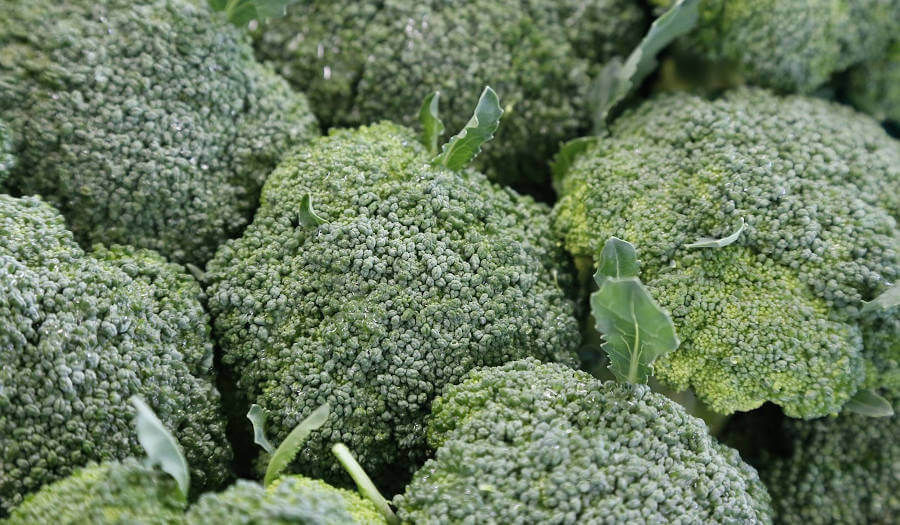
The cultivation of turnip greens, one of the most popular plants in many Italian regions, requires a careful and sustainable approach. Especially for those who want to maintain organic certification, adopting correct and environmentally friendly cultivation practices is essential. In this article we will see how to plant broccoli and turnip greens, also addressing issues such as the sowing period and common diseases, for effective and natural management of the crop.
Plant characteristics
Turnip greens belong to the Brassicaceae family, the same as broccoli, and are cultivated for their inflorescences. Depending on the variety, turnip greens can be ready for harvest after about 40, 60, 90 or 120 days from planting.
Main varieties:
- Quarantina: It reaches maturity in about 40 days, ideal for autumn crops, but more delicate than other varieties. It prefers cool climates and well-drained soil.
- Sixty: Matures in 60 days, it is a good choice for those looking for a middle ground between growth speed and endurance. It tolerates colder temperatures well.
- Ninety: Takes about 90 days to harvest. More robust and resistant, it is particularly suitable for colder climates.
- One hundred and twenty: It reaches full maturity in about 120 days, and is an ideal strain for summer sowing and winter harvesting. Its inflorescences are more abundant, but it requires more attention to watering.
Each variety has strengths and weaknesses, but they all offer the opportunity to grow fresh and nutritious turnip greens , suitable for both fresh consumption and storage.
The climate
Turnip greens prefer temperate climates, although some varieties can withstand short periods of cold. The ideal temperature for growth is between 10 and 20°C. However, in areas with mild winters, they can also be sown or transplanted towards the end of summer to have an autumn or winter harvest. Avoid planting turnip greens during the hottest summer months, as the plant may quickly go to seed.
The terrain
The ideal soil for growing turnip greens should be well-drained, rich in organic matter and with a slightly acidic pH (6-7). Preparing the soil before planting broccoli or turnip greens is crucial: it is advisable to work the soil deeply, enriching it with compost or well-ripe manure. The soil should be kept moist, but not soggy, to avoid root diseases.
Soil preparation
Before transplanting, it is essential to prepare the soil properly with the use of organic organic fertilizers. We recommend a mixture of two fundamental fertilizers:
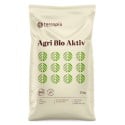
Agri bio aktive: Organic fertilizer with mycorrhizae that helps the plant develop a robust root system and defends it from fungal diseases.
Orgakem 6.11.8 + 10 Ca: A phosphorus-rich fertilizer that is ideal for stimulating early plant development. Its calcium content helps improve soil quality, promoting balanced growth.
Sowing or transplanting
The sowing of turnip greens can be carried out in the open field or in a seedbed, depending on the climatic conditions. Direct sowing is preferable in areas with mild climates, while in colder areas it is advisable to transplant seedlings.
- Sowing turnip greens: It generally takes place between September and November for winter harvests, or between February and April for spring harvests. Plant the turnip greens in rows 30-40 cm apart, with a distance between the plants of about 15-20 cm. since the seed is very small, it is preferable to mix it with sand or even better ammonium sulphate, with a ratio of more or less 5kg of sulphate and 1 kg of turnip seed to increase the volume and ensure more homogeneous sowing.
- Planting broccoli: Sowing or transplanting broccoli follows similar timelines, preferring fresh soil that is well exposed to the sun.
Would you like to receive our advice? Subscribe to our Newsletter - 8% discount now for you
|
Foliar nutrition
After the first week after transplanting, it is advisable to start with weekly foliar fertilization, favoring products with a high nitrogen content to stimulate vegetative growth:
Gold Dust: Organic fertilizer with a high nitrogen content, ideal for stimulating the vegetative phase of young plants. It provides the energy needed for rapid and vigorous growth.
In an organic farming regime, proper irrigation, combined with favorable climatic factors, plays a crucial role in determining the health of the plant.
Diseases and pests
Turnip greens can be prone to various diseases and pest attacks, some of which can compromise the harvest if not treated promptly.
- Downy mildew: Fungal disease that causes yellow spots on the leaves. Copper-based treatments, such as Bordeaux mixture (also suitable for organic farming), are effective in preventing its onset.
- Aphids and whitefly (trialeurodide): Insects that attack the young parts of the plant, causing deformations. We recommend the use of natural insecticides such as potassium soft soap or neem extracts or nettle macerate.
- Cabbage (white butterfly larvae) and noctue (moth larvae), which are fought with Bacillus thuringiensis-based products in organic farming, to be applied preferably in the evening.
- Altica: Small beetle that gnaws on leaves. The use of pyrethrum is allowed in organic farming to keep the infestation under control.
- Alternaria, septoria and cabbage hernia, often caused by too wet soils. Treatments with copper (such as Kyprion) or horsetail macerate help prevent these diseases, but careful irrigation management is essential to avoid waterlogging.
Products allowed in organic, such as neem oil or potassium soft soap, can be used to maintain the health of the plant.
Natural defense and preventive treatments
To prevent fungal diseases that can affect broccoli, it is essential to act preventatively with natural foliar treatments. In high humidity conditions, we suggest alternating the following treatments every week:
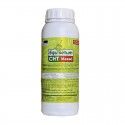
Equisetum CHT: Horsetail extract, a powerful natural plant enhancer.
Kyprion: Copper-based fertilizer used to prevent fungal attacks.
The collection
The harvesting of turnip greens varies according to the variety. It usually starts around 40-120 days after planting, when the buds are well formed but not yet fully opened. It is important to harvest turnip greens in the coolest hours of the day to preserve their freshness.
After harvesting, plants can continue to produce new buds, offering more yields throughout the season. Harvesting early prevents overflowering, which can reduce product quality.
Growing turnip greens in a sustainable way is a commitment that pays off in terms of product quality and respect for the environment. Whether you choose planting or transplanting, and fighting diseases with organic products, consistent care is essential for a successful harvest.
FAQ (Frequently Asked Questions) about turnip greens - Broccoli
When to plant turnip greens?
Turnip greens can be planted between September and November for winter harvest, or between February and April for spring harvest.
How do you clean turnip greens?
To clean turnip greens, remove the toughest outer leaves and rinse them thoroughly under running water. It is recommended to cut off the woody parts of the stem.
Broccoli, when to plant?
Broccoli is planted between March and April or between August and September, depending on the desired harvest cycle.
What is the growing period of turnip greens?
The cultivation period varies depending on the variety, but they are generally grown in autumn or spring.
How to plant broccoli?
Broccoli can be sown or transplanted in rows 40 cm apart, keeping the soil moist.
What diseases affect turnip greens?
The most common diseases are downy mildew and the attack of aphids and altics, which can be managed with biological treatments.
Turnip greens cultivation: how to choose the right period?
The cultivation of turnip greens depends on the climate and the variety chosen. It is important to plan planting according to the temperature and needs of the soil.
Do you want to know more about the organic management of turnip greens and the products to protect your vegetable garden? Subscribe to our newsletter or contact our customer service to receive personalized advice.
Share this content






 Chronology
 Citrus fruits
 Turf
 Stone fruit
 Olive tree
 Ornamental
 Vegetables
 Actinidia (Kiwi)
 Screw
 Hobbies and insights
 Pome Fruit


