
Your cart
There are no more items in your cart
Olive or Wolf Caries (Fomitiporia punctata): characteristics and prevention
Categories :
Chronology
, Olive tree
Index
Characteristics of Olive Caries Disease
Integrated Pest Management and Beneficial Insects
FAQs (Frequently Asked Questions) on Olive Tree Caries
Introduction
The olive tree is one of the most important and characteristic crops of Mediterranean agriculture. With its production of table olives and oil, the olive tree represents a pillar of the agricultural economy of many regions, as well as having a strong cultural and landscape value. However, despite its resistance and adaptability, the olive tree can be prone to various diseases that compromise its productivity and long-term health. Among these, Olive Rot caused by the fungus Fomitiporia punctata represents a significant threat, as it attacks the wood of the plant, causing irreversible damage.
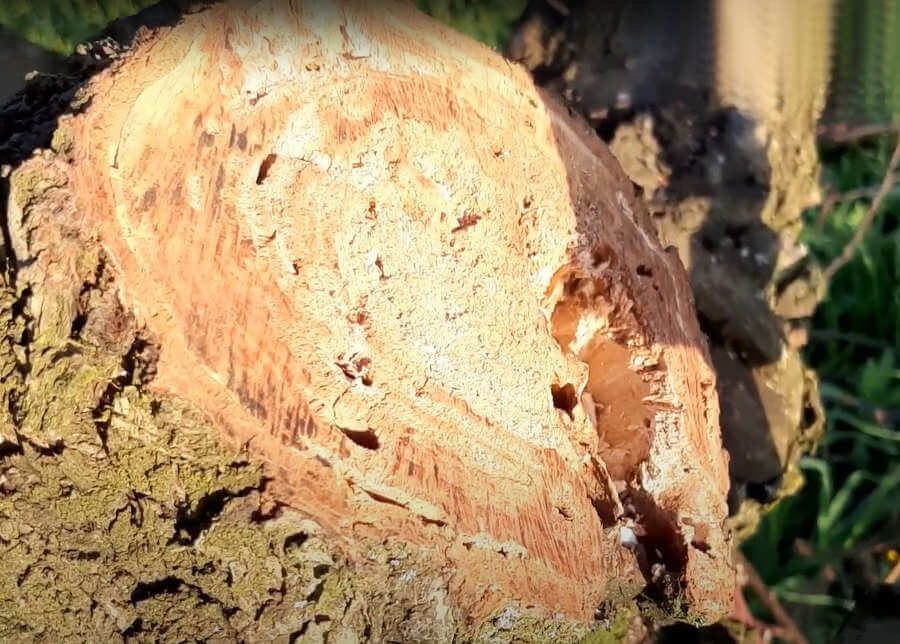
Olive Caries is a fungal disease that affects the trunk and branches of the tree, causing it to decompose progressively. It is a silent and sneaky disease, as visible symptoms can only appear when damage to the wood is already advanced. For this reason, it is essential to take preventive measures and intervene promptly to stem the spread of the fungus.
Characteristics of Olive Caries Disease
The culprit of Olive Rot is the fungus Fomitiporia punctata, which acts by penetrating the wood of the tree through wounds caused by pruning, mechanical trauma or damage from atmospheric events such as hailstorms or strong winds. Once inside the wood, the fungus begins to decompose tissues, reducing the vitality of the tree and impairing its ability to produce fruit.
The fungus develops particularly well in conditions of high humidity and mild temperatures, conditions typical of autumn and spring, which are the periods in which the disease tends to manifest itself with greater intensity. Wood attacked by decay becomes porous, decomposes and forms cavities, compromising the structural stability of the tree.
The main symptoms of olive wood rot include the appearance of cavities in the wood of the trunk and branches, which may initially be hardly visible from the outside. As the disease progresses, the plant may experience a general vegetative decline, with reduced fruit production, early leaf drop, and branch desiccation. In severe cases, the tree can become unstable, with the risk of physical collapse.
Prevention
Prevention is one of the most important aspects in the management of Olive Caries, as once the disease manifests itself, it is difficult to eliminate it completely. Taking preventive practices can greatly reduce the risk of infection by the fungus.
Among the main agronomic practices useful for preventing the disease are:
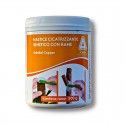
- Thorough pruning: Avoid excessive or incorrect pruning that can cause deep wounds. Wounds should always be disinfected with specific products, such as mastics or copper treatments.
- Wound protection: After pruning or following hail or wind damage, it is important to treat wounds with healing products, such as mastics or treatments with copper products.
- Proper watering: Avoid excess moisture in the soil and around the roots, which could promote fungus growth.
- Monitoring: Carry out periodic checks to identify signs of wood degradation early and intervene promptly.
Would you like to receive our advice? Subscribe to our Newsletter - 8% discount now for you
|
Biological control
In organic farming, it is essential to adopt ecological practices to combat Olive Caries and, fortunately, there are allowed products that can be used to control the fungus in a natural way.
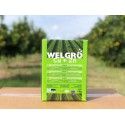
- Copper products: Copper treatments are allowed in organic farming and can be used to disinfect wounds and prevent the spread of the fungus. As mentioned, prevention with a series of interventions in autumn and winter is the best strategy, but in this regard we prefer to recommend the use of copper and zinc-based fertilizers, which are assimilated by the plant and perform a function of strengthening the wood, a very useful product for this is the Welgro Cu-Zn, which used a couple of times in autumn and winter nourishes the plant and develops defenses in it.
- Bordeaux mixture, a classic copper-based remedy, is particularly effective when applied after pruning.
In the case of conventional interventions, specific fungicides can be used to contain the spread of Olive Caries, especially when the disease is already in an advanced stage.
- Systemic fungicides: Biological systemic fungicides such as Triochoderma or chemical fungicides such as Pyraclostrobin are effective against wood fungi and can penetrate the tissues of the plant, acting from the inside. These products must be applied with caution, carefully following the instructions on the label to avoid residues in the olives.
- Curative treatments: When olive tooth decay is already present, it may be necessary to combine different types of fungicides to prevent the fungus from developing resistance. Treatments should be repeated at regular intervals, with the systemic products mentioned above and especially during periods of higher humidity.
- Limitations: Chemical fungicides, while effective, must be used with care. It is important to respect the shortage times, i.e. the minimum period that must elapse between the application of the product and the harvesting of the olives, to ensure that there are no residues in the final product.
Integrated Pest Management and Beneficial Insects
Integrated pest management represents a modern and effective approach to manage Olive Caries, combining biological and chemical techniques. This method is based on the use of products with low environmental impact, associated with agronomic practices that improve the health of the plant and strengthen its resistance to diseases.
- Soil management: Controlled grassing and composting can improve soil structure, increasing the olive tree's resistance to disease. The use of natural amendments improves nutrient absorption and strengthens the plant's natural defenses.
In conclusion, Olive Caries (Fomitiporia punctata) is a sneaky fungal disease that can have devastating effects on the productivity and health of the olive tree. Prevention is key to avoiding serious damage, and with the adoption of correct agronomic practices, biological treatments and, if necessary, chemical fungicides, it is possible to keep this disease under control.
We encourage all olive growers to pay special attention to wound management and preventive practices, we offer a comprehensive program of interventions, to better manage the crop, combining biological and chemical techniques to ensure the long-term health of the trees. On perfarelalbero.it, you can find a selection of organic and conventional fungicides, such as Bordeaux mash and Triochoderma-based products, as well as advice on how to apply them effectively.
FAQ (Frequently Asked Questions) about olive rot
What is olive caries and how does it manifest itself?
- Olive tree rot, also known as olive wood decay, is a pathology caused by fungi that deteriorate the woody tissues of the plant. It manifests itself with cavities and necrotic areas in the trunk and branches, compromising the health and productivity of the plant.
How to recognize wood decay in the olive tree?
- It is recognizable by the presence of cracks and discolored or rotten areas of wood. Often there is also a formation of woody dust at the base of the olive tree and a general weakening of the structure of the wood.
What are the main causes of olive caries?
- The disease is mainly caused by pathogenic fungi such as Phellinus igniarius, which infects wood when the tree suffers physical damage or poorly performed pruning. The presence of moisture and wounds facilitates the penetration of fungi.
How to treat olive tree caries?
- To treat olive tree caries, it is essential to remove the infected parts by slupping and disinfect the exposed areas with specific fungicides. Applying a healing putty can help prevent new infections.
What is slupatura and how is it used against olive tree decay?
- Sluping is a practice of removing diseased wood to stop the spread of olive wood rot. This technique involves the use of sharp tools to remove all the compromised tissue, allowing the plant to heal the wound.
How to prevent olive tree decay?
- The prevention of olive decay is based on correct pruning, avoiding excessive cutting or unnecessary injury. Keeping the olive tree healthy with balanced fertilization and preventive antifungal treatments is essential to prevent fungal infections.
Can olive tree decay be completely eradicated?
- Although olive wood rot is difficult to eliminate completely, the progression can be slowed down through interventions such as slupping and fungicide treatments against olive tree rot. Regularly monitoring the plant and intervening at the first signs of infection is the best way to manage the disease.
Share this content





 Chronology
 Citrus fruits
 Turf
 Stone fruit
 Olive tree
 Ornamental
 Vegetables
 Actinidia (Kiwi)
 Screw
 Hobbies and insights
 Pome Fruit


