
Your cart
There are no more items in your cart
How to Fight Chestnut Ink Sickness
Categories :
Chronology
Index
Prevention and Treatment Strategies
Phase 1: Vegetative Resumption - Defense of the Root System
Phase 2: After Harvesting - Oxygenation and Remediation of the Soil
Step 3: Trichoderma Inoculation and Biological Support
Organic Nutrition and Spring Biostimulation
Chestnut Ink Sickness: Agronomic Strategies for Prevention and Treatment
Ink sickness is a disease that has had a devastating impact on chestnut cultivation in Italy since the late nineteenth century. Caused by pathogens of the genus Phytophthora, this disease spreads through the soil.
On adult plants it will cause a lack of production until the final death within 2/3 years of the affected plants. On young or farmed plants, the pathology is much faster, in fact the plant will already die within a year.
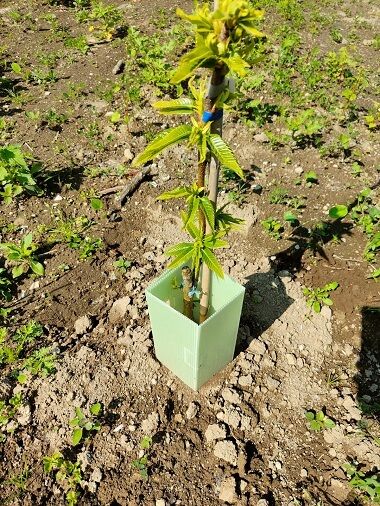
In this article, we will explore agronomic strategies to prevent and combat ink sickness and improve the health of chestnut plants.
-
Recognizing Inksickness
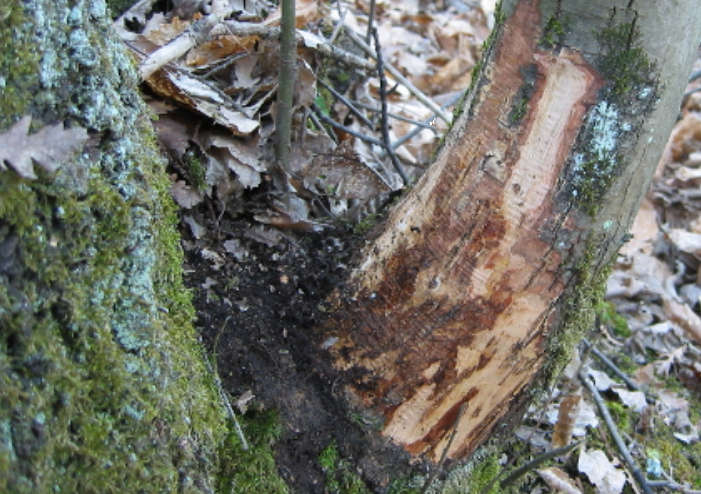
Infection with Phytophthora cinnamamomi and Phytophthora cambivora begins at the root level and spreads through the plant's lymphatic flows. Initial symptoms include vertical cracks at the base of the trunk, followed by an emission of tannin in the advanced stages. At the level of the canopy, the plants show signs of decay, with yellowing leaves and curls attached to the upper part. A distinctive sign is the flame browning under the bark, which indicates the killing of promissory tissues.
-
Symptoms and Diagnosis
The first symptoms of ink sickness are:
- Thinning foliage: Small, yellowed leaves.
- Browning under the bark: Characteristic sign of the pathogen.
- Black-brown exudate: At the base of the trunk.
-
Prevention and Treatment Strategies
To deal with ink sickness, a strategy has been developed that intends to act first of all on improving the quality and fertility of the soil, but first it is necessary to eliminate all the diseases present.
This program is divided into three phases that will be carried out in fertigation or with other tools such as an injector pole.
-
Phase 1: Vegetative Resumption - Defense of the Root System
Ecogreen = 4 lt/ha
Kyprion = 5 lt/ha
This mixture of products is used in fertigation and will be used to strengthen the root system; is the first step. A solution composed of copper gluconate combined with fulvic acids. The goal is to improve copper absorption, supporting the plant in the early stages, stimulating it to produce natural self-defenses capable of sustaining itself. It is advisable to intervene in the vegetative recovery phase to allow the plant to assimilate these nutrients.
-
Phase 2: After Harvesting - Oxygenation and Remediation of the Soil
Oxyclean = 20 lt/ha
In November, it is crucial to improve soil oxygenation with Oxyclean Biolchim, a very technical product containing peracetic acid and hydrogen peroxide. This intervention, always in fertigation, will be useful to reduce asphyxiation and the presence of pathogens, preparing the soil for the inoculation of mycorrhizal fungi in the subsequent intervention.
-
Step 3: Trichoderma Inoculation and Biological Support
Carbogen = 1 lt/ha
Remedier = 3 kg/ha (or Tricod R if not in possession of a Licence)
Between November and February, with cooler temperatures and higher soil moisture, and later after the remediation phase, the introduction of saprophytic mycorrhizal fungi will be necessary via Remedier Gowan, a plant protection product that contains Trichoderma asperellum and Trichoderma gamsii. This beneficial fungus helps prevent the proliferation of pathogenic fungi. Supplementation with Carbogen supports mycorrhizal activity and soil microflora.
-
Organic Nutrition and Spring Biostimulation
After the three treatment phases, it is essential to continue to develop the plant and stimulate soil fertility with adequate fertilization. We recommend using:
AGRI BIO AKTIV = 0.5/1 kg per plant
A slow-release pelleted organic fertilizer, inoculated with mycorrhizal fungi and Trichoderma. This product promotes the development and growth of beneficial microorganisms, which are essential for soil protection.
During the spring vegetative restart, further interventions can promote the plant's self-defenses:
Active Plus = 2 lt/ha
These products stimulate root growth, improve soil structure and increase plants' resistance to environmental stresses.
Additional Interventions
After 4-5 months from the administration of organic substances, it is recommended to integrate:
Vitaseve (500 ml/hl)
This intervention helps to stimulate the production of new wood and support the lymphatic flows of the plant. It is recommended to repeat this intervention 2-3 times during the vegetative cycle of the plant.
-
Would you like to receive our advice? Subscribe to our Newsletter - 8% discount now for you
|
|
-
Conclusions
Implementing these agronomic strategies can safeguard chestnut trees not only from ink sickness, but from a series of root diseases, improving soil health and plant productivity. With targeted and preventive strategies, growers can ensure a sustainable and residue-free future for their crops.
Share this content


 Chronology
 Citrus fruits
 Turf
 Stone fruit
 Olive tree
 Ornamental
 Vegetables
 Actinidia (Kiwi)
 Screw
 Hobbies and insights
 Pome Fruit


