
Your cart
There are no more items in your cart
Desert Rose: Characteristics and Cultivation Methods
Categories :
Chronology
, Hobbies and insights
Index
Characteristics of the Desert Rose
Desert Rose Cultivation Methods
Propagation of the Desert Rose
What to do to treat La Rosa del Deserto

The Desert Rose (Adenium obesum) is an exotic plant that is highly prized for its beauty and resilience. Native to the tropical and subtropical regions of Africa and the Arabian Peninsula, this succulent plant is known for its distinctive appearance and ability to thrive in extreme conditions. Thanks to its swollen trunk and vibrant flowers, the Desert Rose has become a well-loved ornamental plant, both for cultivation in pots and for decorative use in gardens and outdoor spaces.
In this article, we will explore the main characteristics of the Desert Rose and the most effective cultivation methods to ensure its lush growth and spectacular flowering.
Characteristics of the Desert Rose
The Desert Rose is a succulent plant characterized by a caudice (swollen trunk) that serves to store water, allowing it to survive in arid environments. Its leaves are usually small and arranged in a spiral, while its flowers, which can range from bright pink to red, white, and purple, are large and very showy.
Here are some of the main characteristics of this plant:
- Swollen trunk: The caudice is one of the most distinctive aspects of the Desert Rose, contributing to its drought resistance.
- Leaves: The leaves are usually dark green, shiny and oval-shaped.
- Flowers: Flowering occurs mainly in spring and summer. The flowers are trumpet-shaped and can be monochromatic or have shades of different colors.
- Drought resistance: Thanks to its caudice, the plant can store large amounts of water, making it particularly suitable for hot and dry climates.
Desert Rose Cultivation Methods
The cultivation of the Desert Rose requires some specific precautions, especially to ensure that the plant receives the right amount of light, water and nutrients. Let's take a look at the most important points for successfully growing this magnificent plant.
1. Positioning and Light
The Desert Rose is a sun-loving plant. Therefore, it is essential to place it in a place where it can receive at least 6 hours of direct sunlight per day. In particularly hot climates, you may need light shade during the hottest hours of the day to avoid sunburn on the leaves.
2. Substrate and Drainage
The substrate is a crucial element for the success of the grow. The Desert Rose requires a very draining soil, as it is susceptible to root rot if left in environments that are too humid. An ideal soil mix for this plant should consist of:
- Sand
- Peat
- Perlite or pumice
This type of substrate allows water to drain quickly, reducing the risk of waterlogging. It is also advisable to use pots with drainage holes to prevent moisture build-up.
3. Watering
Even though the Desert Rose is a succulent and drought-tolerant plant, it needs regular watering during the growing season (spring and summer). However, overwatering should be avoided. A good method is to wait until the soil is completely dry between waterings.
During the winter, watering should be kept to a minimum, as the plant enters a vegetative dormant phase. At this stage, overwatering can result in root rot.
4. Fertilization
The Desert Rose benefits from regular fertilization throughout the growing season.
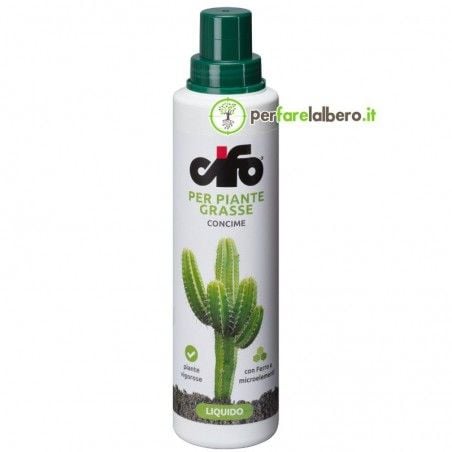
If it is a potted crop, a balanced fertilizer is always advisable, preferably liquid, which should be administered every two weeks in spring and summer. It is important to choose a fertilizer such as that of succulents, because it contains a balanced mixture of micro and macro elements to stimulate flowering.
 |
|
|
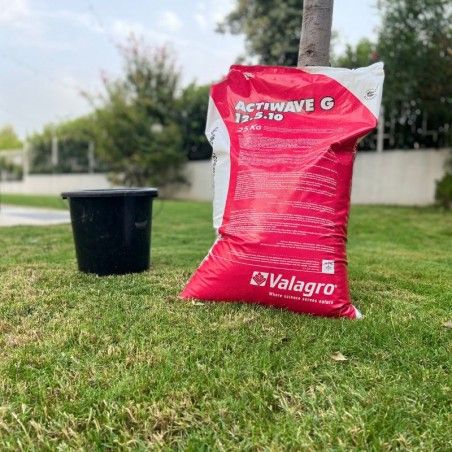
If, on the other hand, we need to find the right fertilizer for the desert rose in the ground, the right choice is the use of a compound and balanced organomineral fertilizer such as ActiWave G to be administered in the period March / April and repeated September / October. This fertilizer is also particularly suitable for pre-sowing or pre-transplanting.
 |
|
|
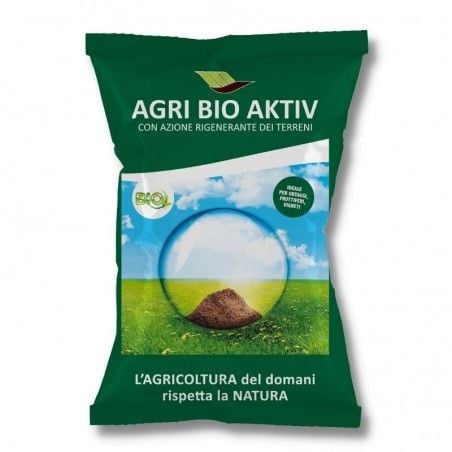
During the winter, it is not necessary to fertilize, since the plant is not in an active growth phase, at most in the case of plants planted in the ground, we recommend fertilizing with organic with AGRI BIO AKTIV.
 |
|
|
5. Pruning
Pruning the Desert Rose is a useful operation to keep the plant compact and promote abundant flowering. It is recommended to prune the plant in late winter or early spring, removing dry or damaged branches and shaping the plant as desired.
Would you like to receive our advice? Subscribe to our Newsletter - 8% discount now for you
|
|
Propagation of the Desert Rose
The propagation of the Desert Rose can take place either by seed or by cutting. Both methods have their advantages, but propagation by cuttings is generally faster.
Propagation by Seed
Propagation by seed takes longer, but allows you to obtain genetically different plants. Seeds should be planted in a well-draining substrate and kept in a warm, bright environment. It is important to keep the soil slightly moist, but never too wet, during germination.
Propagation by Cuttings
Propagation by cuttings is a faster and easier method. You can take cuttings from the mature branches of the plant and plant them in a well-draining substrate. It is advisable to let the cuttings dry for a day before planting them, to prevent rot.
Common Diseases and Problems
Despite its hardiness, the Desert Rose can be prone to problems such as root rot, insect attacks such as mealybugs and aphids, and fungal diseases. To avoid these problems, it is important to:
- Ensure good soil drainage.
- Avoid overwatering.
- Monitor the plant regularly for signs of infestations or diseases.
What to do to treat La Rosa del Deserto
The most effective strategy also in this case takes place through the use of prevention, as we said above the general conditions of management of the plant help quite a bit but there are operations that done periodically, will solve the problem of emergency and emergency interventions:
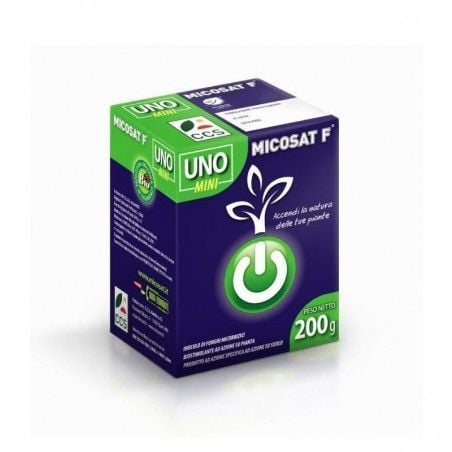
- preventive action with the use of root mycorrhizae as an improvement of soil quality, root revitalization, reinforcement and induction of resistance.
 |
|
|
- preventive action with foliar interventions with products with repellent and dissuasive action such as products based on Neem Oil or Frankyl, a particular fertilizer based on plant extracts that has not only a nourishing action, but also a strong repellency against parasitic insects.
 |
|
|
 |
|
|
- We also remember that the use of insects useful as predators of the most common parasites is always the solution we recommend, the safest but it is advisable to intervene even in this case in a preventive manner or at the first symptoms of infestation. This article can help you: How to use useful insects in organic farming, to understand the defense strategy to be put in place.
In the case of infestations, natural remedies such as neem oil or insecticidal soap treatments can be used to eliminate parasitic insects.
Conclusion
The Desert Rose is a fascinating and resilient plant that is ideal for those who want to grow an exotic ornamental plant that requires relatively simple care. Its unique features, such as its bulging trunk and spectacular flowers, make it a perfect choice for lovers of succulent plants.
By following the right growing methods, such as sun exposure, the use of well-draining soil, appropriate watering, and regular fertilization, you can enjoy a healthy and thriving plant. In addition, with proper propagation and constant care, the Desert Rose can adorn any space, both indoor and outdoor, with its bright flowers and sculptural appearance.
With a little attention and care, the Desert Rose can become a treasure in your garden or home, giving beauty and charm for many years.
Share this content








 Chronology
 Citrus fruits
 Turf
 Stone fruit
 Olive tree
 Ornamental
 Vegetables
 Actinidia (Kiwi)
 Screw
 Hobbies and insights
 Pome Fruit


