
Your cart
There are no more items in your cart
Growing hemp with products allowed in Organic Farming
Categories :
Chronology
Index
Hemp Diseases: Prevention and Biological Defense
Biological control against hemp pests
Growing hemp in pots: Practical tips
Hemp Nutrition: From Transplanting to Maturation

Complete Guide to Organic Hemp Growing:
Prevention and defense against fungal diseases
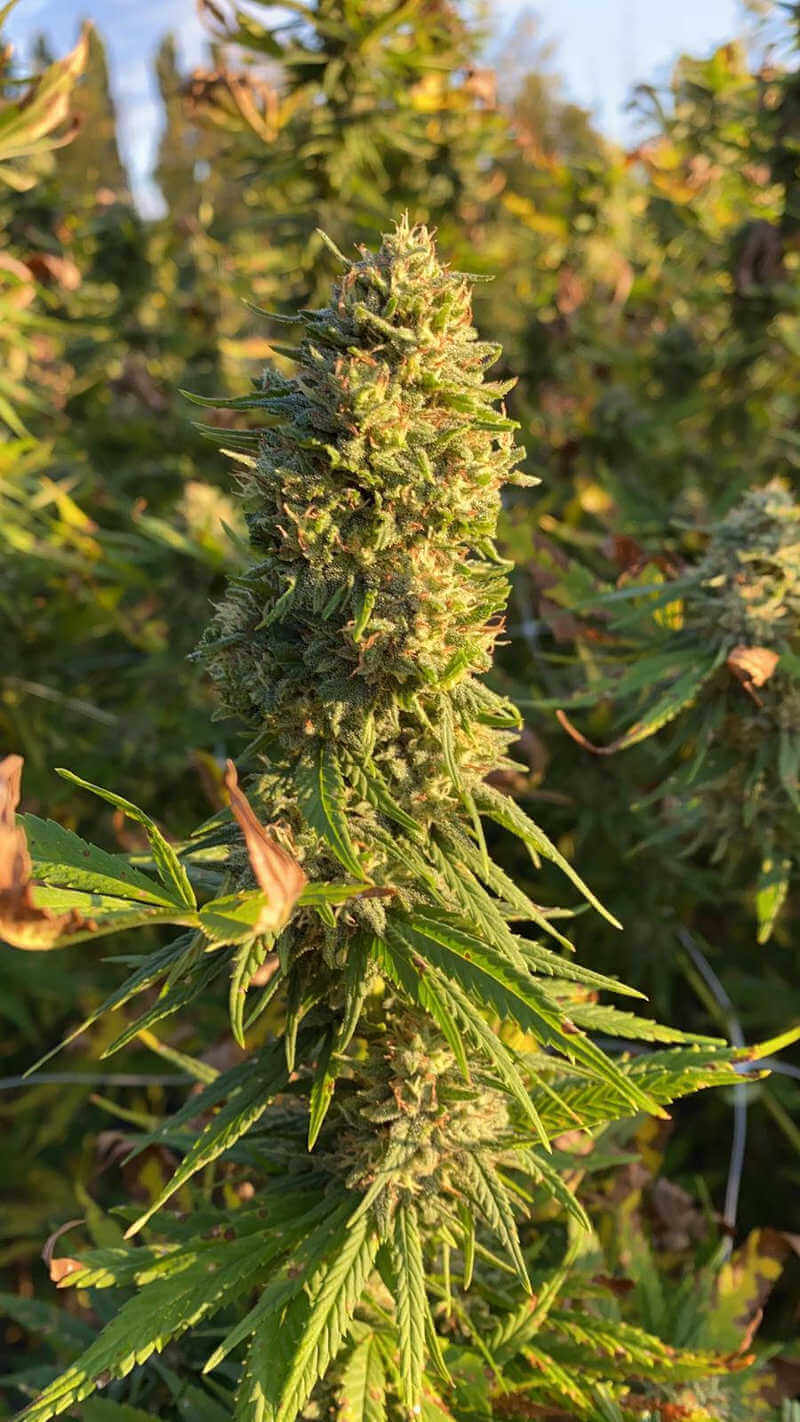
Hemp cultivation is prone to various diseases, including fungal diseases and insect attacks. Discover the best prevention and biological defense strategies, with low-residue solutions and natural products to protect your hemp crop in a sustainable way.
Hemp Diseases: Prevention and Biological Defense
Fungal diseases are one of the main threats to hemp. Here's how to defend your grow naturally:
1. Gray mold (Botrytis)
Grey mould is one of the most common diseases in hemp cultivation. To prevent and combat this disease, we recommend the use of:
Red Bloc ICAS: An algae-based fertilizer that stimulates the plant's natural defenses against fungal diseases.
Sublisan: A biofungicide based on Bacillus subtilis and B. amyloliquefaciens, useful for enhancing the plant's defenses.
Copper-based products, such as Kendal TE, to be used only in extreme cases.
2. Hemp blight
Downy mildew is another fungal disease that is dangerous for hemp. The following preventive strategies have been shown to be effective:
Barrier (200 ml/hl) and Equisetum (250 ml/hl) to be used as preventive treatments.
Subsequently, carry out interventions with Labicuper (150 ml/hl) and Barrier (200 ml/hl) to strengthen the resistance of the plants.
3. Zeolite and rock dust: Abiotic protection
Rock powders such as Zeolite Serbios and Gold Dry Biolchim create a natural protective barrier against environmental stresses such as wind, rain and humidity. Use these powders until the pre-flowering stage to improve plant resilience.
Biological control against hemp pests
Even in defense against insects, there are natural solutions:
1. MEBOV (Metarhizium anisopliae and Beauveria bassiana)
This mycorrhizal fungus is effective against hemp pests. Bacillus Thuringiensis is another solution for the control of lepidopteran larvae.
2. Cifo soft soap (3 litres/hl)
Excellent against soft-bodied insects such as aphids and mites, this invigorating soap is ideal for organic cultivation.
Growing hemp in pots: Practical tips
Growing hemp in pots requires special care to ensure optimal nutrition and prevent insect attacks. Useful products include:
Frankyl (250 ml): An organic soil conditioner that works as an insect repellent.
Kaolin o Zeolite: Excellent for preventing attacks by sucking insects, thanks to the barrier effect of the white dust that settles on the plant.
Hemp Nutrition: From Transplanting to Maturation
Proper nutrition is crucial for achieving healthy and abundant growth. The following are the main steps for fertilizing hemp:
1. Rooting
It uses Micosat F Go, a product based on Trichoderma and mycorrhizae, to stimulate root development. Repeat the treatment every 15 days.
2. Growth
Administer a fertilizer with a high nitrogen content, such as 30-10-10, to promote plant growth.
3. Pre-flowering
In this phase, the supply of phosphorus and microelements such as boron increases. The use of fertilizer 12-48-08 is recommended.
4. Maturation
To maximize flower production, use Plantafol 5-15-45, reducing nitrogen input.
|
Case Study: DIY Biological Defense |
|
One of our customers has achieved extraordinary results against gray mold on hemp using a combined strategy with Vacciplant and Equisetum. Although these products are not registered specifically for hemp, they have shown great efficacy in controlling fungal diseases. Vacciplant: 200 ml per 100 L of water Equisetum= 250 ml per 100 L of water This strategy has allowed the grower to drastically reduce the use of chemical pesticides, satisfying the market demands for low-residue products. |
Conclusion
The organic cultivation of hemp, both in the open field and in pots, requires the adoption of natural and low-residue solutions to protect plant health and the environment. By taking advantage of the right products and preventive techniques, you can achieve a healthy and productive crop without resorting to harsh chemical treatments.
Watch the video we made:
Share this content


 Chronology
 Citrus fruits
 Turf
 Stone fruit
 Olive tree
 Ornamental
 Vegetables
 Actinidia (Kiwi)
 Screw
 Hobbies and insights
 Pome Fruit


