
Your cart
There are no more items in your cart
Kalanchoe: How to care for this plant and what are the characteristics
Categories :
Chronology
, Ornamental
Index
Common Problems and How to Fix Them
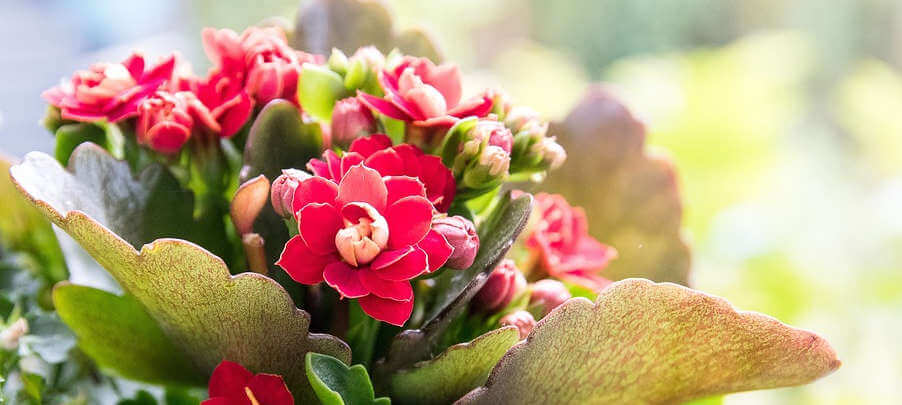
Kalanchoe is one of the most popular succulents among gardening enthusiasts for its resistance and beauty. Native to tropical and subtropical regions, this plant is part of the Crassulaceae family and is distinguished by its fleshy leaves and colorful flowers. In this article, we will explore the main characteristics of Kalanchoe, how to care for it, and how to make it thrive in our homes.
Characteristics of Kalanchoe
Kalanchoe looks like a succulent plant with fleshy leaves, which act as a water reservoir. This ability makes it particularly suitable for surviving in arid environments, where water can be scarce. There are numerous species of Kalanchoe, among which the best known are the Kalanchoe blossfeldiana, known for its vibrant flowers, and the Kalanchoe thyrsiflora, which has silvery green leaves.
One of the peculiarities of Kalanchoe is its ability to propagate easily. Some species, such as Kalanchoe daigremontiana, develop small shoots along the edges of the leaves which, as they fall, take root in the ground, giving life to new plants. This trait makes Kalanchoe an extremely versatile plant that is easy to multiply.
How to Cure Kalanchoe
1. Light exposure
Kalanchoe needs a lot of light to thrive, but it should not be exposed directly to sunlight, especially during the hottest hours of the day. A location near a well-lit window is ideal for this plant. In the winter months, when natural light is scarce, it may be useful to move it to a spot that is more exposed to light.
2. Watering
Like many succulents, Kalanchoe does not like excess water. It is crucial to allow the soil to dry out completely between waterings. Generally, during the warmer months, it is sufficient to water the plant once every 7-10 days, while in winter the watering can be reduced further. It is important to prevent water from stagnating in the saucer, as this could cause root rot.
3. Temperature
Kalanchoe prefers mild temperatures, ideal between 15°C and 25°C. Although it can withstand higher temperatures, it is advisable to avoid exposing the plant to cold drafts or temperatures below 10°C, which could damage it.
4. Soil and fertilization
For Kalanchoe , it is important to use well-drained soil, preferably a substrate specifically for succulent plants. This allows the roots not to remain too moist and prevents the risk of fungal diseases. During the active growth phase, which runs from spring to autumn, it is useful to fertilize the plant once a month with a liquid fertilizer specifically designed for succulents.
 |
|
|
5. Pruning
Kalanchoe does not require extensive pruning, but wilted flowers and dry leaves can be removed to stimulate the plant to produce new shoots. This can be done at any time of the year, but it is especially useful after flowering, when the plant enters a resting phase.
Kalanchoe Bloom
One of the main reasons Kalanchoe is so beloved is its spectacular flowering. Kalanchoe blossfeldiana, for example, produces intensely colored flowers, ranging from red to orange, yellow, white, and last for a long time, often for several weeks. To promote good flowering, it is important to ensure that the plant has proper exposure to light and the right amount of water and nutrients.
A trick to stimulate new flowering is to reduce the light that the plant receives during the winter, thus simulating the conditions of short days typical of the period in which it blooms naturally. Simply cover the plant for about 14 hours a day for a few weeks, and at the end of this period, new buds should appear.
Common Problems and How to Fix Them
1. Root rot
One of the most common problems in Kalanchoe cultivation is root rot, which is caused by overwatering or soil that doesn't drain properly. If you notice that the plant's leaves are starting to turn yellow and become mushy, it could be a sign of rot. In this case, it is advisable to reduce watering and, if necessary, repot the plant in a more suitable substrate.
In this case, prevention through the use of mycorrhizae is the most shared strategy, in fact thanks to the use of MICOSAT F UNO Mini of 200 gr it will be possible to strengthen the plant.
 |
|
|
2. Dry or wilted leaves
If the leaves of your Kalanchoe appear dry or wilted, it could be a sign of too much sun exposure or lack of water. Move the plant to a shadier location and make sure it gets the right amount of water.
3. Lack of blooming
If your Kalanchoe is not blooming, there could be many causes. It may not get enough light, or the plant may be in an environment that is too hot. Make sure that the plant receives at least 8 hours of indirect light per day and that it is placed in an environment with a constant temperature.
To avoid the lack of flowering, support can be obtained through the use of Sinergon Plus Cifo, a product useful for stimulating the plant.
 |
|
|
4. Parasites
Kalanchoe can be attacked by pests such as mealybugs or aphids. In these cases, it is important to intervene quickly with specific products or, alternatively, using natural remedies such as a KAPPA-O solution to eliminate pests without harming the plant.
 |
|
|
Conclusion
Kalanchoe is an easy-to-grow succulent plant that requires little care but offers beautiful blooms and great satisfaction in return. With the right light exposure, adequate watering, and well-drained soil, this plant can thrive and decorate your home for years. Remember not to overwater and provide the plant with the right nutrition, and you will be rewarded with colorful flowers and lush green leaves.
If you're looking for a plant that combines aesthetics and practicality, Kalanchoe is definitely one of the best choices.
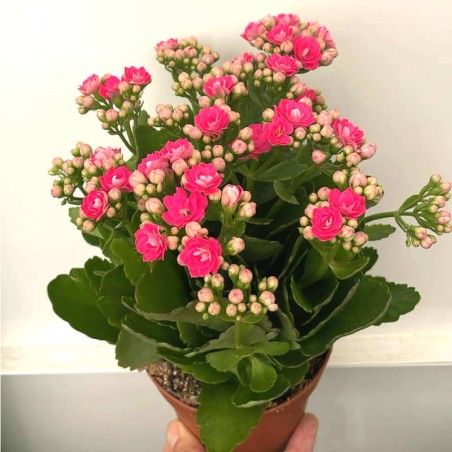
You can buy the Kalanchoe plant on our online shop perfarelalbero.it
 |
|
|
Would you like to receive our advice? Subscribe to our Newsletter - 8% discount now for you
|
|
Share this content







 Chronology
 Citrus fruits
 Turf
 Stone fruit
 Olive tree
 Ornamental
 Vegetables
 Actinidia (Kiwi)
 Screw
 Hobbies and insights
 Pome Fruit


