
Your cart
There are no more items in your cart
Maple cultivation methods
Categories :
Chronology
Index
Ecological and Environmental Factors

The maple is a tree that belongs to the Aceraceae family and includes several species that are widely spread in Europe, Asia and North America. Its lobed leaves and spectacular autumn colors make it a popular tree for landscaping and gardening. However, it is also a plant of commercial interest, as some species of maple are grown for their valuable wood and for the production of syrup, in particular the sugar maple (Acer saccharum).
In this article, we will examine maple cultivation methods, delving into agronomic techniques, ideal growing conditions, and plant management to achieve maximum yield in both aesthetic and production terms.
1. Introduction
Maple cultivation requires a good knowledge of its ecological needs and suitable agronomic practices. Key factors include site selection, soil preparation, planting, disease and insect management, as well as pruning and irrigation techniques. Success in maple cultivation also depends on understanding individual species, as each may have specific requirements.
The most common maple species in cultivation
Among the most cultivated species we find:
- Acer platanoides (curly maple)
- Acer pseudoplatanus (mountain maple)
- Acer campestre (field maple)
- Acer saccharum (sugar maple)
Each of these species has slightly different needs, but they share some general aspects that we will cover in the next paragraphs.
2. Ecological and Environmental Factors
Climate and temperature
Maple is a plant that adapts well to different climates, although it prefers temperate zones. The optimal temperature for maple growth varies between 10°C and 20°C. Some species, such as sugar maple, also hold up well to lower temperatures, and a cold phase followed by progressive heating is required for syrup production.
Light exposure
Maple prefers sunny or partially shaded exposure. However, in climates that are too hot, it can benefit from some shade during the hottest hours of the day to avoid water stress and leaf drying.
Soil
The ideal soil for growing maple should be well-drained and rich in organic matter. Maple prefers slightly acidic soils, with a pH between 5.5 and 7.5. Heavy, clay soils can impair root development, while sandy soils can lead to rapid moisture loss, damaging plant growth.
Would you like to receive our advice? Subscribe to our Newsletter - 8% discount now for you
|
3. Cultivation Techniques
Soil preparation
Before planting a maple tree, it is crucial to prepare the soil. This process includes:
- Ploughing to facilitate root penetration.
- Micosat F Granular: Improvement of soil structure and defense with special mycorrhizae.
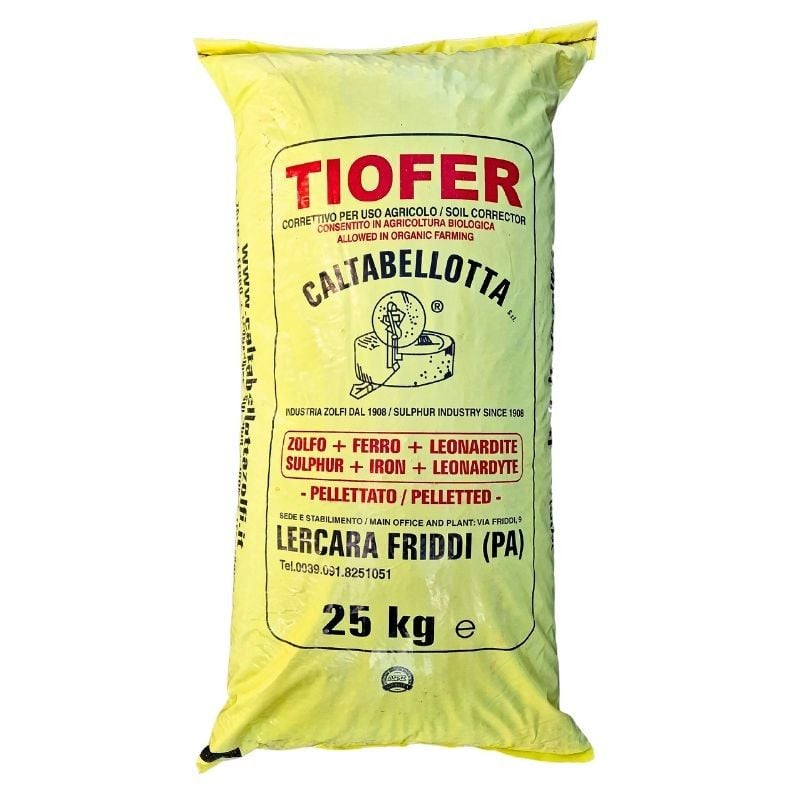
- Tiofer fertilizer based on organic leonardite, iron and well-ripened sulfur to enrich and correct the soil with nutrients.
 |
|
 |
|
Check the drainage, as maple does not tolerate waterlogging.
Sowing and transplanting
Maple can be propagated via seeds, cuttings, or grafting, depending on the species and cultivation goals. For commercial or ornamental production, transplanting young seedlings is the most common method. Seedlings should be planted during the fall or spring season, when temperatures are mild and the soil is moist.
Transplanting requires attention to the depth and distance between the plants. The roots should be planted at a sufficient depth to ensure stability, but not too deep to avoid root asphyxiation.
Irrigation
Watering maple is a critical aspect, especially in the early stages of growth. Young plants require regular watering, particularly during periods of drought. It is important to avoid both excess water, which can lead to root rot, and water shortages, which can cause leaves to wilt and reduce growth.
A good method is drip irrigation, which delivers water directly to the roots and reduces waste. An organic mulch around the base of the plant can help conserve moisture and keep the soil cool.
Pruning
Maple pruning has both an aesthetic and practical function. Young plants benefit from training pruning to develop a robust and well-balanced structure. In adult trees, pruning helps remove dead or diseased branches and improve air circulation within the canopy, reducing the risk of fungal diseases.
Pruning should preferably be carried out in autumn or early spring, when the tree is in vegetative rest. When pruning, it is important to avoid overcutting that could stress the plant.
Fertilization
Maple benefits from balanced granular fertilization, especially during the first years of life it is advisable to provide a fertilizer such as Nutrigran Top , a fertilizer with nitrogen and phosphorus, which helps the plant improve the root system.
 |
|
Subsequently, on an adult maple plant, we will provide Basic NPK 15.5.5 fruit and vegetables, a mixed organic fertilizer rich mainly in nitrogen that helps promote leaf growth, while phosphorus and potassium will support root development and resistance to disease.
 |
|
A fertilization program should include a first application in early spring and a second in autumn. It is important to avoid overloading the plant with chemical fertilizers, which can damage the roots and compromise the health of the tree in the long run.
4. Diseases and Pests
Maple is prone to several diseases and pests, which can damage both the appearance and productivity of the plant.
Fungal diseases
Among the most common fungal diseases we find:
- Anthracnose: A disease that causes dark spots on leaves and can lead to their premature shedding.
- Root rot: caused by stagnant water or poorly draining soils, it causes root deterioration and plant death.
Prevention of these diseases includes good soil management, regular pruning to improve ventilation, and, if necessary, fungicide treatments.
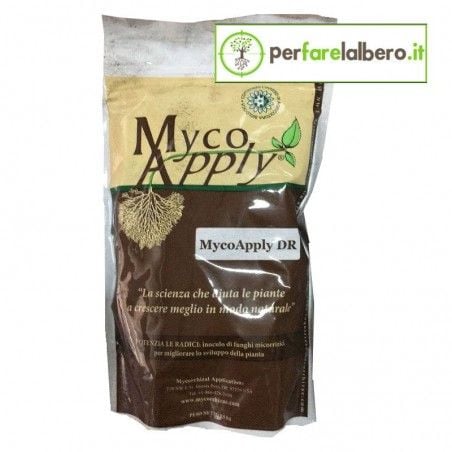
In this mycorrhiza give us a great help, in fact it is advisable every year at the end of summer to administer a mixture of liquid organic fertilizer with mycorrhiza to improve the quality of the soil and strengthen the plant:
 |
|
 |
|
Pests
The main pests that attack maple are:
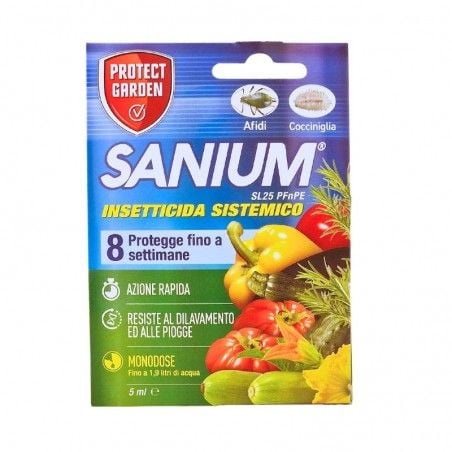
- Aphids: small insects that feed on the linfa of leaves, causing deformations and slowing growth.
- Mealybugs: Insects that form scabs on leaves and branches, preventing photosynthesis.
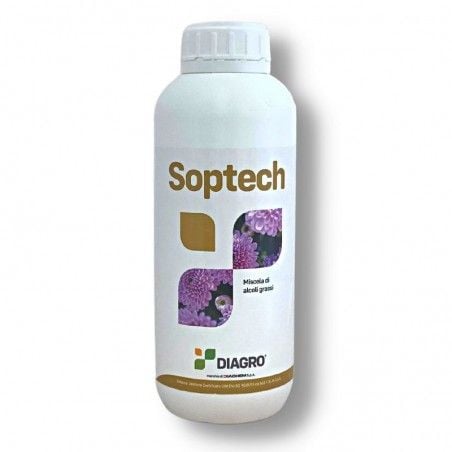
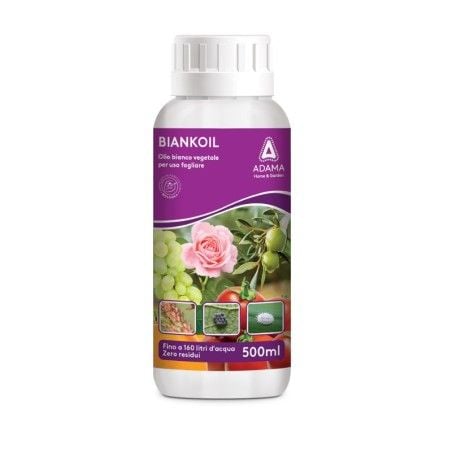
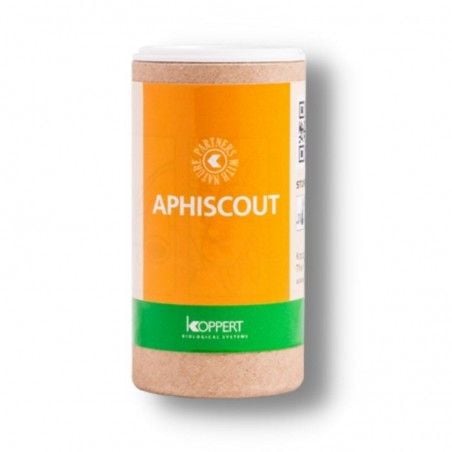
The control of these pests can be carried out through natural insecticides such as Soptech or mineral oil, or with the introduction of natural predatory insects such as ladybugs.
 |
|
 |
|
 |
|
If, on the other hand, you want to act with chemical strategies:
 |
|
 |
|
Conclusion
Maple cultivation requires a combination of agronomic knowledge and constant attention. From soil preparation to disease management, each step plays a crucial role in ensuring the health and beauty of this tree. Whether it's an ornamental maple for the garden or a sugar maple for syrup production, following the right agronomic techniques will ensure an optimal result.
In summary, the key points for successful maple cultivation include:
- The choice of suitable climate and soil .
- Proper watering and pruning.
- The management of diseases and pests.
By following these guidelines, it is possible to obtain healthy and lush trees that meet both aesthetic and production needs.
Share this content







 Chronology
 Citrus fruits
 Turf
 Stone fruit
 Olive tree
 Ornamental
 Vegetables
 Actinidia (Kiwi)
 Screw
 Hobbies and insights
 Pome Fruit


