
Your cart
There are no more items in your cart
Citrus Bacterial Cancer (Xanthomonas axonopodis pv. citri)
Categories :
Chronology
, Citrus fruits
Index
Characteristics of the pathogen
Symptoms of Bacterial Cancer
Life cycle of the bacterium
Prevention and Control Methods
Economic Impact of Bacterial Cancer
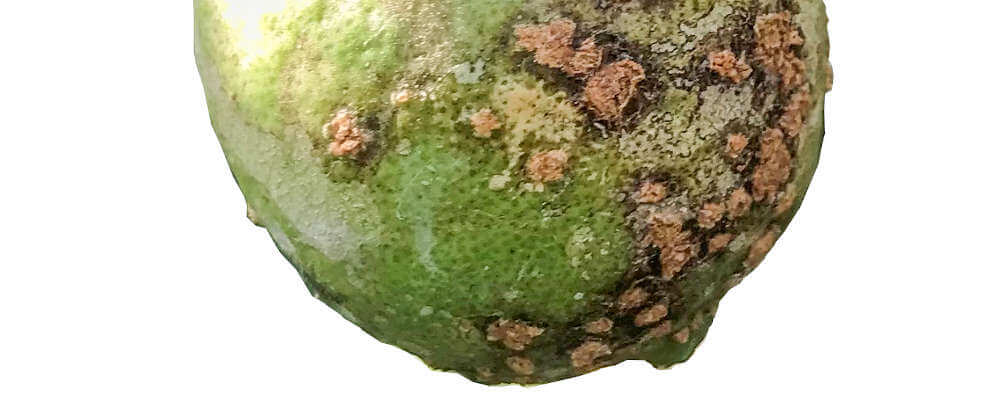 |
Citrus bacterial canker, caused by Xanthomonas axonopodis pv. citri, is one of the most serious diseases affecting citrus crops worldwide. This disease manifests itself with visible symptoms on the leaves, branches and fruits, causing significant economic losses due to product damage, decreased quality and reduced yields. Over the past few decades, citrus bacterial canker has posed a huge challenge for growers, requiring strict prevention and control measures.
Characteristics of the pathogen
The bacterium Xanthomonas axonopodis pv. citri is a gram-negative pathogen that infects plants through wounds or natural openings such as stomata. It is mainly spread through rainwater, wind and contact with infected tools. Once established, the bacterium invades plant tissues, leading to the formation of necrotic lesions. These lesions are characterized by raised, circular edges, which often turn brown or yellowish in color.
The disease is particularly prevalent in humid and hot climates, conditions that favor the proliferation and spread of the bacterium. Xanthomonas axonopodis pv. citri is known to attack a wide range of citrus species, including oranges, lemons, limes, and grapefruits.
Would you like to receive our advice? Subscribe to our Newsletter - 8% discount now for you
|
Symptoms of Bacterial Cancer
Symptoms of citrus bacterial canker mainly manifest themselves on:
- Leaves: Appearance of circular spots with protruding edges, which often become necrotic in the center. These lesions can coalesce, causing the leaves to dry out progressively.
- Fruits: Lesions on fruits can severely impair crop quality. The stains are initially small but expand, causing warping and reducing commercial value.
- Branches: In branches, the disease can cause deep cankers, which disrupt the flow of nutrients and water within the plant, leading to the death of entire sections of the tree.
Life cycle of the bacterium
The life cycle of Xanthomonas axonopodis pv. citri is closely linked to climatic conditions. During periods of heavy rain and high humidity, the bacterium spreads easily from one plant to another through water splashes and contaminated pruning tools. Infections occur mainly in spring and autumn, when environmental conditions are ideal for the growth of the bacterium.
Once infected, the plant shows its first symptoms after 7 to 10 days. Lesions begin to form, and as moisture increases, the bacterium multiplies and spreads rapidly. The bacterium can remain latent during dry periods, reactivating as soon as climatic conditions return favorable.
Prevention and Control Methods
Controlling citrus bacterial canker requires an integrated approach that combines preventive and curative measures. Some of the key strategies include:
- Avoid introduction of the bacterium: It is crucial to avoid introduction of the bacterium into uninfected areas. Quarantines and strict control of propagation material are essential.
- Disinfection of pruning tools: The tools used for pruning should be disinfected regularly to prevent the spread of the bacterium between plants.
- Irrigation management: Avoid sprinkler irrigation, which can facilitate the spread of the bacterium through standing water and splashing.
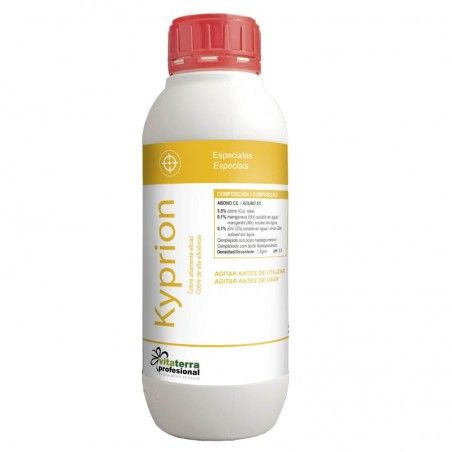
- Biological Treatments: The application of copper gluconate products can reduce the incidence of the disease, but it is necessary to monitor the onset through resistance inducers.
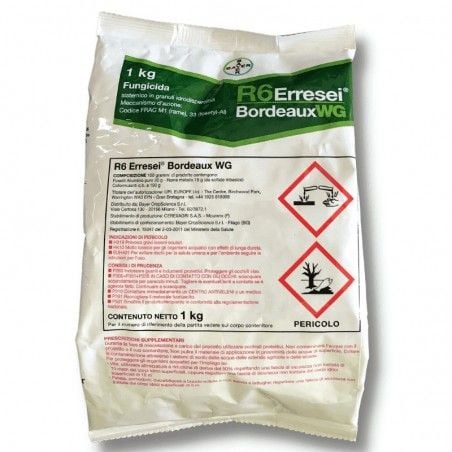
- Chemical Treatments: Technicians commonly recommend professional products such as Cabrio WG or R6 Bordeaux.
- Eradication of infected plants: In severe cases, it may be necessary to remove and destroy infected plants to prevent the disease from spreading further.
- Genetic resistance: Research is ongoing to develop cultivars that are resistant to bacterial cancer, but there are currently no completely immune varieties.
 |
|
 |
|
 |
|
Economic Impact of Bacterial Cancer
Infections with Xanthomonas axonopodis pv. citri can cause huge economic losses, not only due to reduced yields, but also due to the costs associated with control and prevention measures. In some regions, the entire citrus industry has been put at risk by the uncontrolled spread of the pathogen. The market loss, caused by the poor quality of infected fruits, is significant and often leads to a decrease in exports and international competitiveness.
Citrus bacterial canker remains one of the most challenging challenges for citrus growers. However, with the implementation of integrated agricultural practices, such as strict tool management, the use of chemical treatments, and the selection of more resistant varieties, it is possible to significantly reduce the impact of this devastating disease. In the future, research on resistant cultivars and biological control techniques could offer new solutions to more effectively manage Xanthomonas axonopodis pv. Citri.
Share this content



 Chronology
 Citrus fruits
 Turf
 Stone fruit
 Olive tree
 Ornamental
 Vegetables
 Actinidia (Kiwi)
 Screw
 Hobbies and insights
 Pome Fruit


