
Your cart
There are no more items in your cart
How to eliminate Sooty Mold from Citrus Fruits
Categories :
Chronology
, Citrus fruits
Complete and Updated Guide
Index
What is Sooty Mold and how does it manifest itself?
How to prevent Citrus Sooty Mold
Treatment to clean sooty mold from citrus fruits
Natural and organic methods to fight sooty mold
Strategy for non-professional users with professional products

Sooty mold (or soot) is a fungal disease that mainly affects evergreen plants, such as citrus fruits, olive trees, laurels, and even apple and pear trees. This pathology is caused by saprophytic fungi, such as Capnodium, Cladosporium, and Alternaria, which develop on a sugary substrate called honeydew. Honeydew is produced by pests such as aphids, mealybugs, psyllae and whiteflies.
What is Sooty Mold and how does it manifest itself?
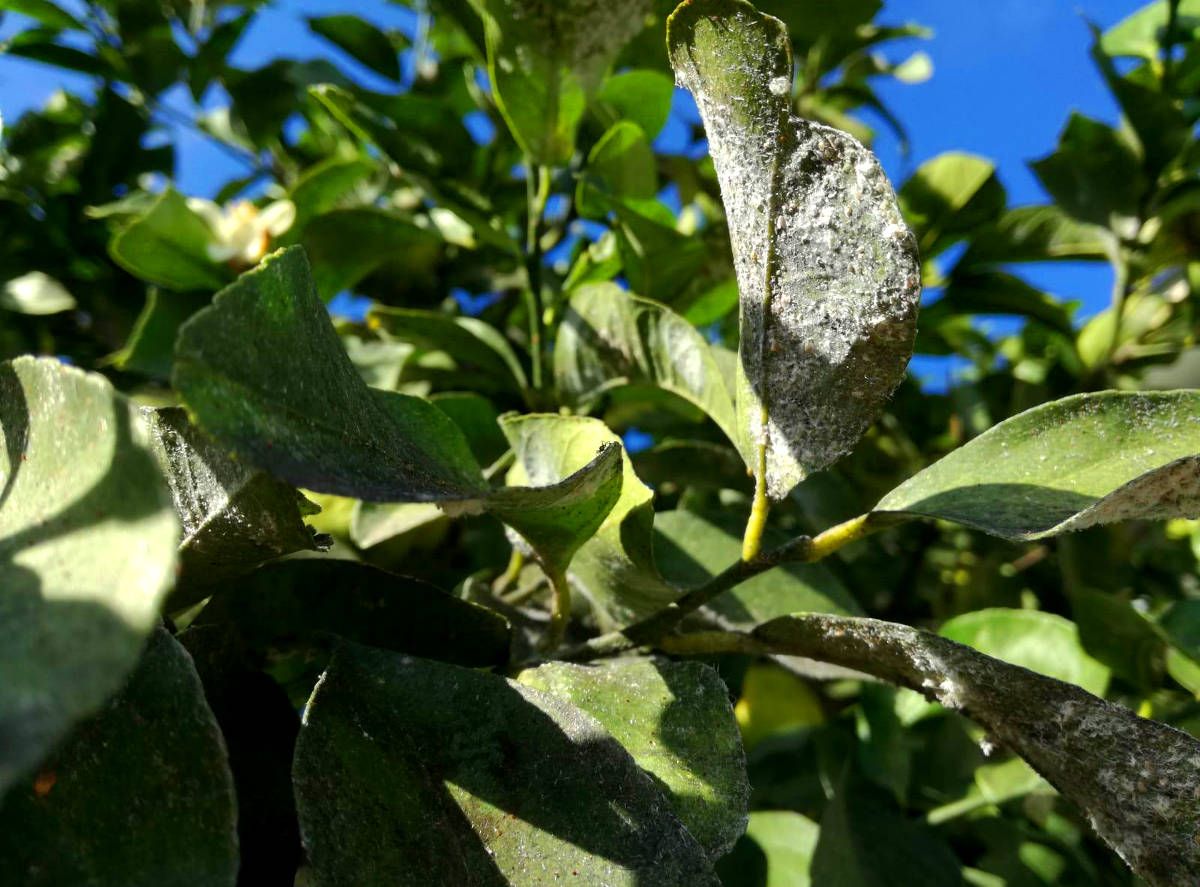
Sooty mold manifests itself with the formation of a black soot-like patina, which covers leaves, branches and fruits. Although the fungi that cause it do not directly attack the plant's tissues, their presence can hinder photosynthesis, reducing the plant's ability to produce energy and impairing growth and production.
Would you like to receive our advice? Subscribe to our Newsletter - 8% discount now for you
|
With the increase in temperatures and the decrease in rainfall, the problem of sooty mold has become more frequent. The absence of regular rainfall, which normally has a cleaning action on the leaves, has contributed to worsening the situation.
How to prevent Citrus Sooty Mold
The key to preventing sooty mold is to fight the pests that cause it, such as aphids, mealybugs, whiteflies, and psylla. Taking prompt action against these insects reduces the risk of honeydew formation, and consequently sooty mold. To do this, specific treatments are recommended, often enhanced by the use of white mineral oil, which suffocates pests and reduces the formation of honeydew.
Prevention strategies:
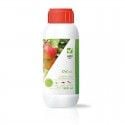
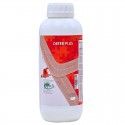
Mineral Oil (such as Biolid Up or Oliocin Plus): 1.5 litres/hl
This oil has a mechanical action that suffocates parasites, preventing the formation of honeydew. It is advisable to use it during the hottest periods, as the refined formulation avoids sunburn on the leaves or fruits.
Epik SL: 150 ml/hl
It is a systemic insecticide that effectively fights the pests responsible for honeydew.
It is important to water the plants evenly and repeat treatments every 7-10 days, until effective control is achieved.
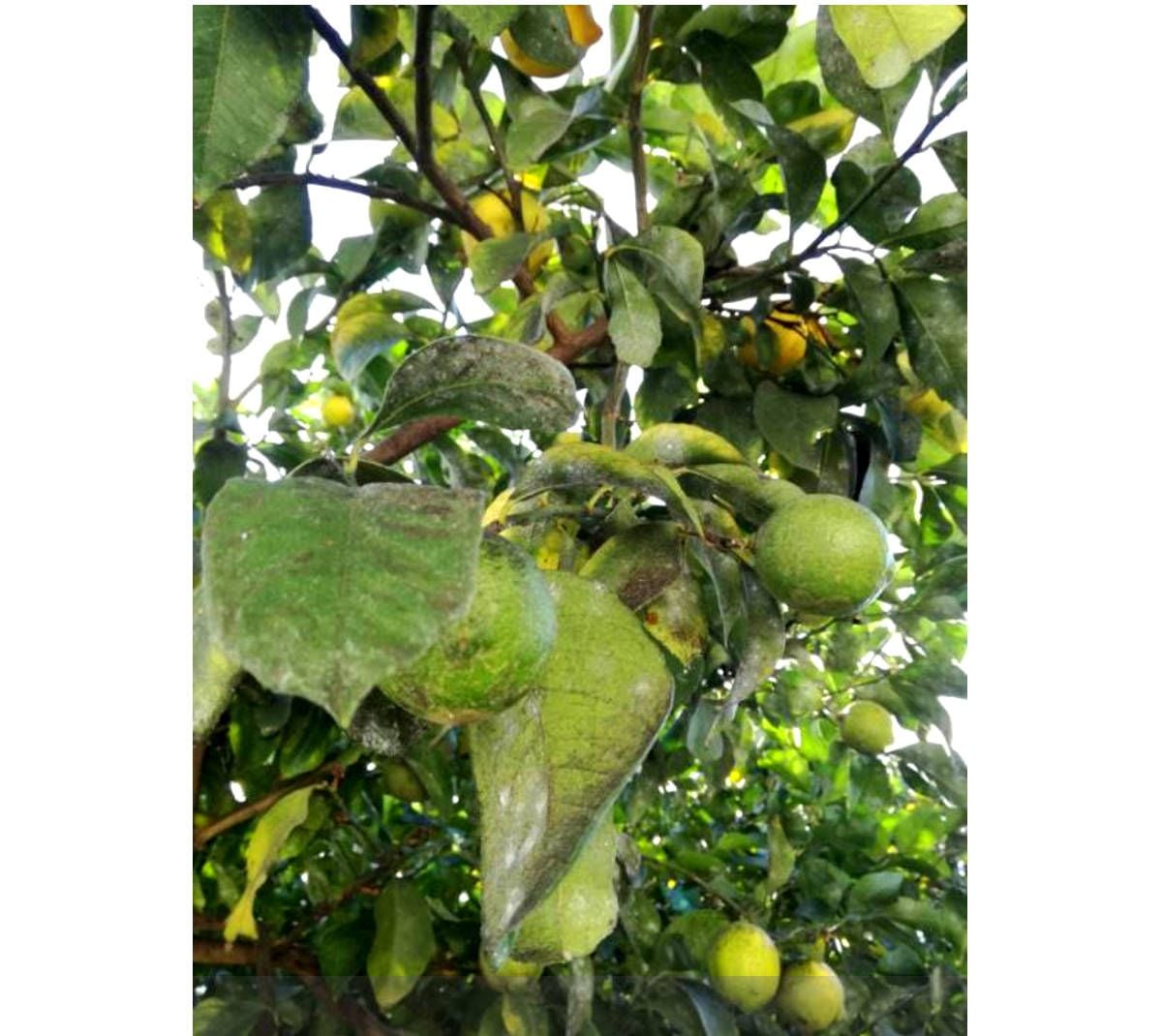
Cleaning strategies for plants already infested with sooty mould
If the plant is already covered with the black patina of sooty mold, you need to remove the fungus from the leaves and fruits.
Treatment to clean sooty mold from citrus fruits
White oil: 0.7-1 liter/hl
Carry out two or three treatment passes, cross-referencing the applications, to effectively remove sooty mould. This treatment is also useful against mealybugs, which often accompany sooty mold.
Natural and organic methods to fight sooty mold
For those who prefer an organic approach or for those who do not have a license, there are natural solutions that can be used to prevent and treat sooty mold.
Soft soap: It has a cleansing action that removes honeydew and sooty molds from the leaves, as well as reducing the presence of aphids and mealybugs. It is recommended to alternate it with:
Nettle Extract: Used to prevent further parasite attacks.
While the use of dish soap to clean sooty mold is often recommended, we don't recommend it, as it can leave behind chemical residues and alter the plant's pH, damaging it.
Strategy for non-professional users with professional products
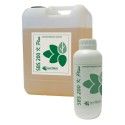
For those looking for a professional solution, but do not have a license, a valid option is the use of SBS 200K PLUS This product is effective both for the removal of sooty mold and for the control of the pests responsible for honeydew.
SBS 200K PLUS : 50 ml/10 LT
It has a disruptive action on organic residues such as honeydew and sooty mold, as well as a mechanical function against parasites, suffocating them. It is important to carry out abundant wetting to ensure complete coverage of infested surfaces.
Sooty mold in citrus fruits can compromise the health and productivity of plants, but with proper pest management and the application of specific treatments, it is possible to prevent and treat this problem. Whether you prefer a professional or organic approach, the key is to intervene promptly and repeat treatments to prevent the problem from recurring.
For more information and products, visit the citrus section of the blog and check out our professional and organic plant care solutions.
Share this content



 Chronology
 Citrus fruits
 Turf
 Stone fruit
 Olive tree
 Ornamental
 Vegetables
 Actinidia (Kiwi)
 Screw
 Hobbies and insights
 Pome Fruit


