
Your cart
There are no more items in your cart
Ferric chlorosis in citrus fruits: causes, symptoms and solutions
Categories :
Chronology
, Citrus fruits
Index
Causes of Ferric Chlorosis in Citrus Fruits
How to prevent and treat ferric chlorosis in citrus fruits
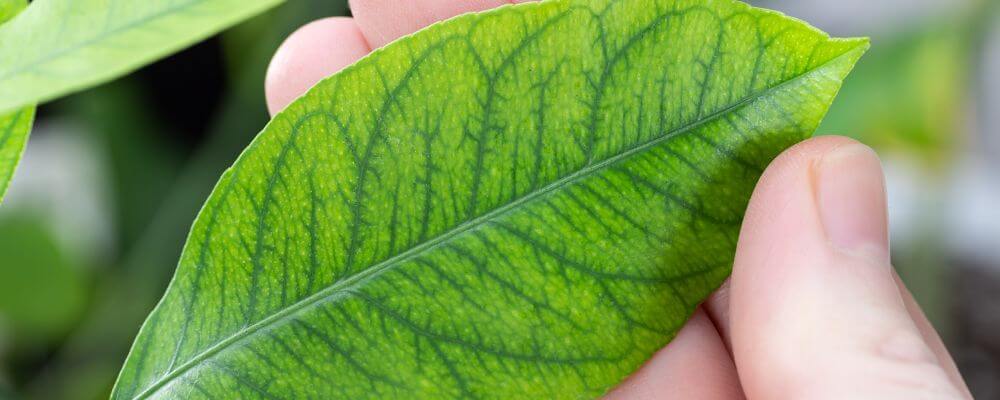
Ferric chlorosis is a common condition that affects many types of plants, including citrus fruits, characterized by the progressive loss of greenery in the leaves, caused by an iron deficiency. This problem is particularly evident in calcareous or alkaline soils, which limit the availability of iron to plant roots. Ferric chlorosis in citrus fruits can lead to a significant reduction in productivity and fruit quality, making it one of the most feared agronomic issues for lemon, orange and mandarin growers.
In this article, we will explore in detail the causes, symptoms and best strategies to prevent and treat ferric chlorosis in citrus fruits, with a focus on the most sustainable agronomic approaches and innovations in the sector.
1. What is ferric chlorosis?
Ferric chlorosis manifests itself primarily as a progressive loss of green color in the young leaves of citrus fruits, which becomes more and more noticeable as the condition worsens. The affected leaves turn yellow, while the central veins remain green. This symptom is an indicator of the plant's difficulty absorbing iron, a micronutrient essential for photosynthesis and many other vital functions.
Iron, although present in the soil, may not be available to plants under certain soil chemical conditions, such as high pH. When iron is not easily accessible, the plant fails to synthesize chlorophyll, the molecule that gives the leaves their characteristic green color and is crucial for photosynthesis.
2. Causes of Ferric Chlorosis in Citrus Fruits
Ferric chlorosis in citrus fruits is caused by various factors that affect the ability of the roots to absorb iron from the soil. Here are the main causes:
1. High soil pH
One of the most common factors that cause ferric chlorosis in citrus fruits is a high soil pH. Alkaline soils, with a pH above 7, make iron less soluble and therefore less available for absorption by plant roots. Calcareous soils, typical of Mediterranean areas, are particularly prone to this problem.
2. Excess active limescale
The active limestone in the soil can react with iron, making it insoluble. Again, the roots of citrus fruits, despite being in iron-rich soil, are unable to use it effectively.
3. Water saturation conditions
Soil that is too wet or has insufficient drainage can cause ferric chlorosis as water saturation reduces the oxygen available to the roots, hindering their ability to absorb nutrients, including iron.
4. Nutrient competition
The excessive presence of certain nutrients such as phosphates, zinc or copper in the soil can limit the absorption of iron by plants, aggravating the problem of ferric chlorosis.
5. Sensitive varieties
Some citrus varieties are more sensitive to ferric chlorosis than others. Varieties grafted onto particularly sensitive rootstocks, such as Citrus aurantium (bitter orange), are more susceptible to developing this condition.
Would you like to receive our advice? Subscribe to our Newsletter - 8% discount now for you
|
3. Symptoms of Ferric Chlorosis
The main symptom of ferric chlorosis in citrus fruits is yellowing of the leaves. However, there are different degrees of severity of the problem, which manifest themselves with different symptoms:
1. Initial Chlorosis
In the early stages, chlorosis manifests as a slight yellowing of young leaves, with the central veins remaining green. This is the first sign that indicates an iron deficiency.
2. Advanced chlorosis
If the problem persists, the yellowing becomes more pronounced and extends to the entire surface of the leaf, while the veins may begin to discolor. At this stage, the plant begins to show signs of stress and can reduce its growth.
3. Leaf necrosis
In the more advanced stages, the leaf tissue can begin to die (necrosis), resulting in leaf drop. This leads to a reduction in photosynthetic capacity and, eventually, a decrease in plant productivity.
4. How to prevent and treat ferric chlorosis in citrus fruits
1. Soil analysis
To prevent ferric chlorosis, it is essential to perform an accurate soil analysis to determine the pH and active limestone content. Based on the results of the analysis, targeted corrective measures can be taken.
2. Reduction of soil pH
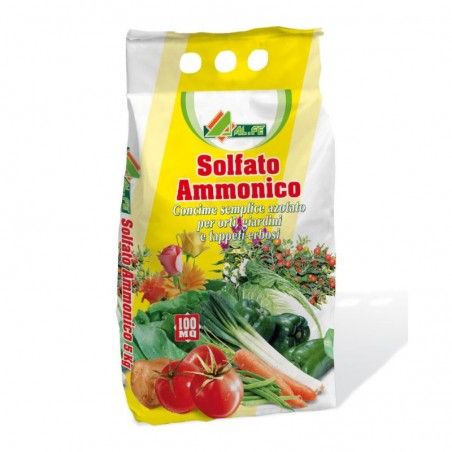
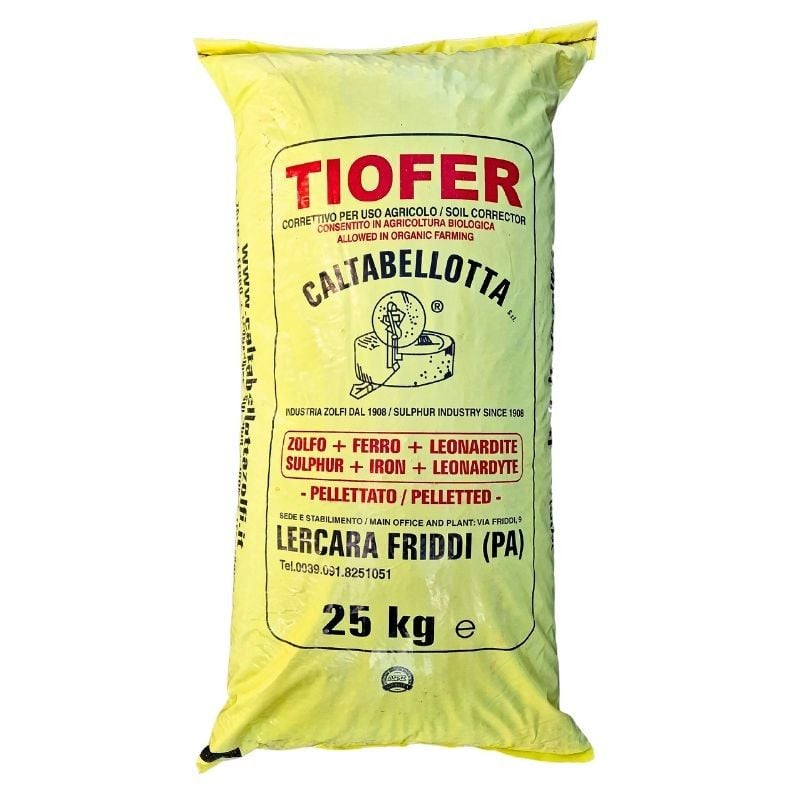
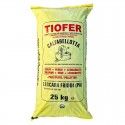
One of the most effective solutions to counteract ferric chlorosis is to lower the pH of the soil. This can be done through the application of chemical acidifying substances such as iron sulphate or ammonium sulphate, or through Tiofer an organic organic fertiliser composed of sulphur, iron, leonardite and a good content of organic matter. These compounds help make iron more available to plants by acting directly on soil improvement.
 |
|
 |
|
 |
|
3. Application of chelated iron
- fertigation intervention:
The use of chelated iron is one of the most common practices to treat ferric chlorosis. Iron chelates are organic compounds that bind iron, making it soluble and therefore easily absorbed by the roots. These products can be applied to the soil. There is an important clarification to be made, iron-based products administered by fertigation are not always "read" and therefore assimilated by the roots of our crops, however with the use of "natural appetizers" we ensure that the products supplied are effectively assimilated. In addition, another piece of advice is that when we provide fertigation, in addition to iron, it would also be advisable to provide other microelements:
Professional users:
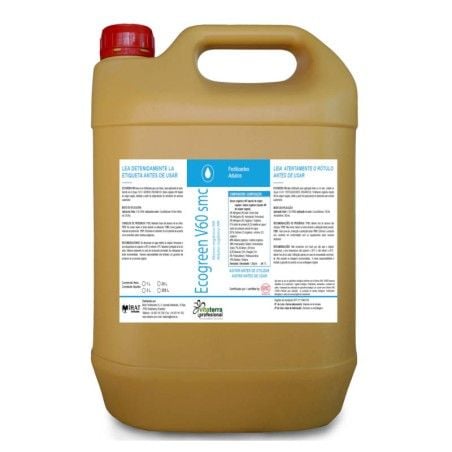
Ecogreen = 5 lt / ha - liquid organic fertilizer from vegetable stillage
Ferrilene Trium = 2.5 kg/ha - chelated iron for fertigation
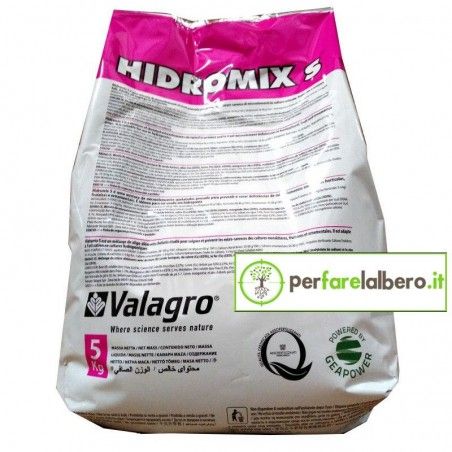
Hidromix = 2.5 kg/ha - mixture of microelements
 |
 |
 |
Add all three products to your cart:
|
Private Hobbyists:
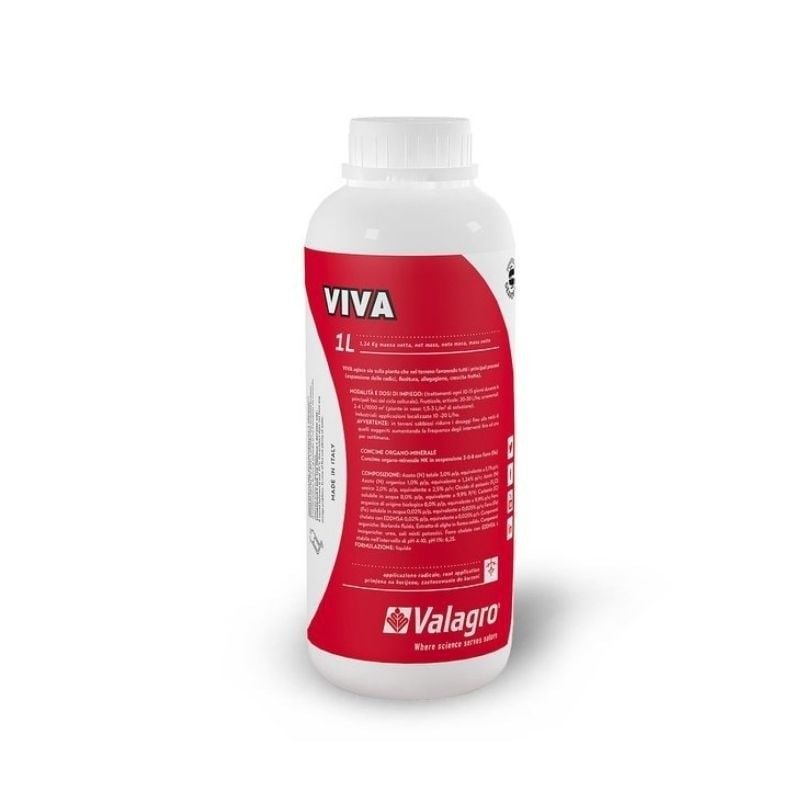
Viva = 50 ml in 10 lt
 |
|
-
Professional foliar procedure:
Foliar intervention is a strategy that will have a faster assimilation, with faster results, but even in this intervention it is always advisable to use specific products to ensure that the element is assimilated effectively.
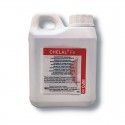
Chelal Fe = 50 ml 100 lt
 |
|
4. Improved soil drainage
If ferric chlorosis is caused by excessive water saturation, it is necessary to improve the drainage of the soil. This can be achieved through the use of lighter soils or the creation of adequate drainage systems.
5. Choose resistant varieties
In areas particularly prone to ferric chlorosis, it is advisable to choose varieties that are less sensitive to the problem. For example, in citrus fruits, rootstocks such as Poncirus trifoliata are known for their resistance to chlorosis.
6. Balanced fertilization
Balanced fertilization that avoids excess phosphates or other nutrients that compete with iron absorption can help prevent ferric chlorosis. It is important to provide the plant with the right amount of all essential nutrients.
Conclusion
Ferric chlorosis is a significant challenge for growers, but with careful soil management and proper agronomic practices, it is possible to effectively prevent and treat this problem. Soil analysis, the use of recommended strategies and the adoption of resistant varieties are all actions that can make a difference in plant health and in the quality of production and blooms. By implementing these techniques, producers can ensure that their citrus plants remain vigorous and productive, even in difficult soils.
In summary, addressing ferric chlorosis in citrus fruits requires an integrated approach that considers all the agronomic factors involved, from soil pH to rootstock choice. Only through targeted and sustainable action can the health and productivity of citrus plants be maintained in the long term.
Share this content






 Chronology
 Citrus fruits
 Turf
 Stone fruit
 Olive tree
 Ornamental
 Vegetables
 Actinidia (Kiwi)
 Screw
 Hobbies and insights
 Pome Fruit


