
Your cart
There are no more items in your cart
Strong red Citrus cochineal or California red Aonidiella aurantii
Categories :
Chronology
, Citrus fruits
Index
Damage caused by strong red cochineal
Life cycle of strong red cochineal
Winter treatment
Monitoring and control during the growing season
Sexual confusion
Useful Insects against Cochineal for Biological Control
Other products for the control of strong red cochineal without license

Strong Red Citrus Cochineal (Aonidiella aurantii): How to Fight It Effectively
The strong red citrus mealybug, also known as California red mealybug (Aonidiella aurantii), is one of the most harmful pests for Italian citrus groves. Despite its polyphagous nature – it attacks other crops such as plum, ornamental plants, pome fruit and fig. Strong red cochineal is particularly dangerous for citrus fruits, compromising their health and commercial value.
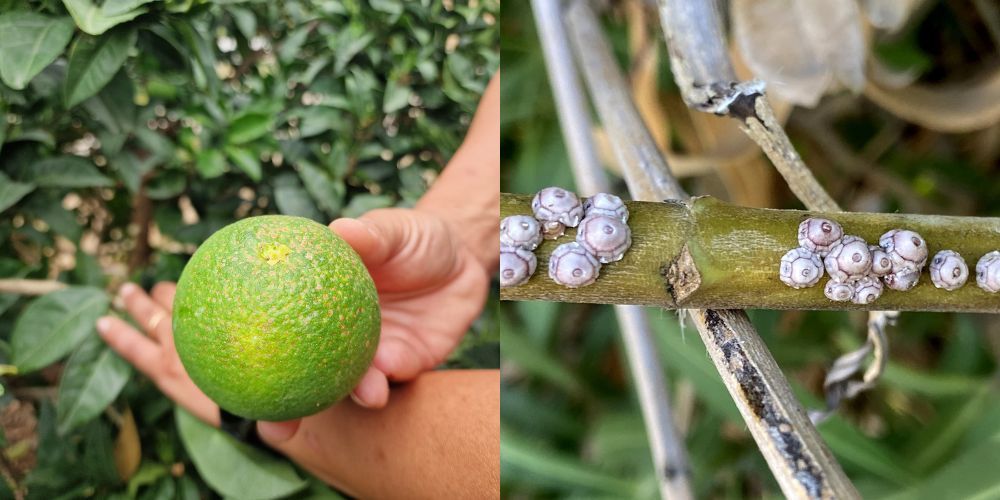
Damage caused by strong red cochineal
This parasite mainly attacks the twigs, causing cracking, drying out and a general dieback of the plant. The affected leaves turn yellow and fall off (phylloptosis), while the characteristic reddish dots can be seen on the fruits, which depreciate the commercial value of the crops.
Would you like to receive our advice? Subscribe to our Newsletter - 8% discount now for you
|
Life cycle of strong red cochineal
The parasite completes 3-4 main generations per year, but is already active from the end of March, making it a constant presence in Italian citrus growing areas. It overwinters in all its forms, including larva, which makes winter treatments a key part of the control strategy.
Control Strategies of the Strong Red Cochineal
Winter treatment
To combat strong red cochineal, targeted treatment during the winter is essential. The nymphs, the juvenile forms of the parasite, hide in cracks and crevices in the bark. After pruning, a treatment with Oliocin Plus is recommended at a dose of 2 liters per hectoliter (lt/hl). The application must be abundant, wetting the entire surface of the plant well, as nymphs are difficult to reach.
Monitoring and control during the growing season
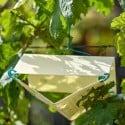
Monitoring the presence of the strong red cochineal is crucial. Starting in late June, it is important to place traps for monitoring the flight of males, such as SUPER TRACK ALA, to identify migration peaks. This allows timely treatment when the intervention threshold is reached.
Recommended treatments:
When a peak is detected in the cochineal population, it is possible to intervene with an effective mixture consisting of:
- Control Dmp (200 ml/hl) – to acidify and convey the solution.
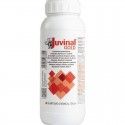
- Juvinal Gold (150 ml/hl) – a broad-spectrum systemic insecticide, very effective against cochineal.
- Oliocin Plus (1 kg/hl) – to increase the adhesion of the solution to the leaf surface and avoid dripping.
This treatment is also particularly useful for the control of fig cochineal (Ceroplastes Rusci), which can also attack citrus fruits.
Sexual confusion
Another innovative and eco-friendly strategy for controlling strong red mealybug is sexual confusion. With the use of diffusers such as the CheckMate CRS, pheromones are released into the environment, interfering with the males' ability to find females, thus reducing the chances of mating. This technique is particularly effective for reducing the population of the pest in a sustainable way.
Useful Insects against Cochineal for Biological Control
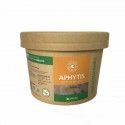
Biological control against the strong red cochineal can be supplemented with the use of beneficial insects. Among the most effective are parasitoids such as Aphytis melinus, an insect that attacks and parasites cochineal, helping to significantly reduce the population of the parasite. These parasitoids can be released during the growing season to keep the spread of cochineal under control without the use of chemicals.
The introduction of beneficial insects represents an eco-sustainable strategy free of chemical residues, which can be particularly useful in organic and integrated farming.
It is important to develop the predator population not to have used synthetic active ingredients in recent months.
Other products for the control of strong red cochineal without license
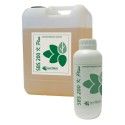
- SBS K 200: A disruptive product based on potassium soap that acts on organic residues such as honeydew and sooty mold produced by parasites. It is advisable to apply abundantly at a dose of 50 ml/10 lt.
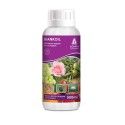
- Biankoil: Another traditional and effective method is the use of white soybean mineral oil, such as Biolid Up or Oliocin Plus, applied both in winter and during the growing season, at a dose of 100 ml in 10 liters of water. This product acts physically or mechanically by suffocating mealybugs and also has a degreasing action on vegetation, without leaving harmful residues.
The strong red citrus cochineal poses a significant threat to citrus crops in Italy, but a combination of strategies – from chemical control to sexual confusion to the use of beneficial insects – can ensure effective control of the pest. It is essential to carefully monitor the presence of the parasite, intervene promptly and integrate multiple control methods to achieve optimal results.
Share this content


 Chronology
 Citrus fruits
 Turf
 Stone fruit
 Olive tree
 Ornamental
 Vegetables
 Actinidia (Kiwi)
 Screw
 Hobbies and insights
 Pome Fruit


