
Your cart
There are no more items in your cart
Complete Guide to Fertilization: When, Why, and Which Product to Choose
Categories :
, Chronology
Index
Advantages of multi-element fertilizers
Choice of NPK ratio based on crop
The importance of organic fertilization
Fertilization in organic farming
Difference Between Chemical, Organic, and Organo-Mineral Fertilizer
The importance of choosing certified organic fertilizers
The importance of sulfur in soil and the use of ammonium sulfate or Tiofer
Introduction
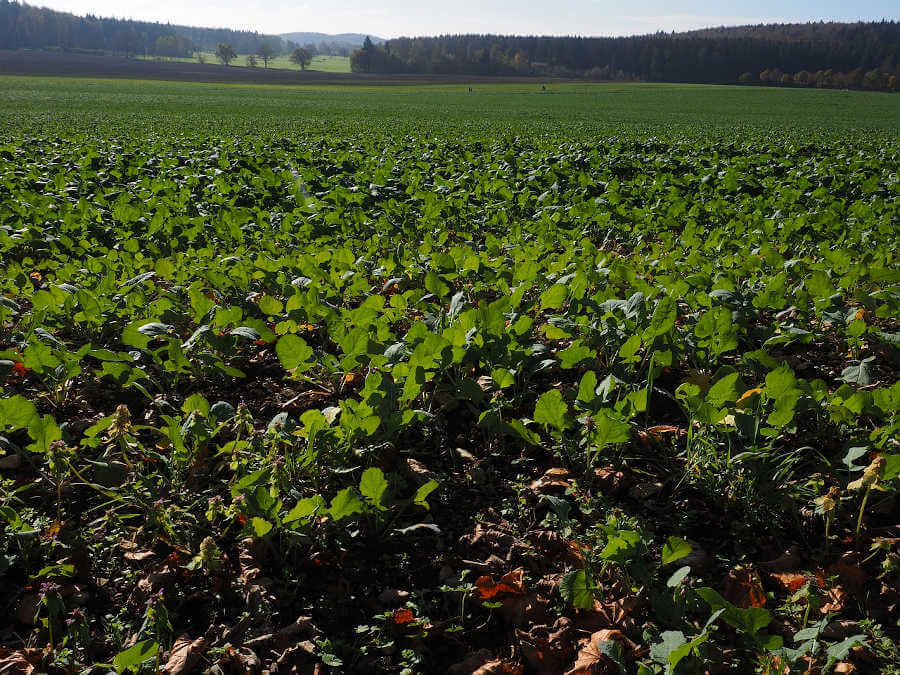
Fertilization is one of the fundamental agronomic practices to ensure optimal plant development, improve crop quality and ensure abundant production. Understanding when and how to fertilize, as well as choosing the right fertilizer, is essential for the success of your crop, whether it's vegetables, orchards, or turf.
In this article we will address the main issues related to fertilization, to guide you in choosing the product that best suits your needs and in planning treatments.
Not all fertilizations are the same. In fact, there are different techniques, each of which offers specific advantages based on the needs of the crops and the soil conditions. Among the most common are foliar fertilization, fertigation and bottom fertilization.
Foliar fertilization
Foliar fertilization involves applying nutrients directly to the leaves of plants through liquid solutions. This method is particularly effective when you want to provide your plants with a quick supply of nutrients, especially during critical stages of development or in the case of specific nutrient deficiencies. One of the main advantages of foliar fertilization is its speed of action: nutrients are absorbed directly through the leaves, allowing timely intervention. It is also useful in the case of soils that are not very fertile or have salinity problems, as it avoids direct contact with the soil. However, it is important to remember that foliar fertilization does not completely replace soil fertilization, but it is a complement that can improve the quality and yield of crops.
Fertigation
Fertigation combines irrigation and fertilizer administration, distributing nutrients dissolved in the water through the irrigation system. This method allows you to feed your plants evenly and consistently throughout the entire growth cycle, optimizing the use of water and fertilizers. A great advantage of fertigation is its precision: it is possible to dose nutrients with great accuracy, reducing waste and improving efficiency. In addition, this method allows for greater flexibility, as it can be easily adapted to the different phenological stages of the plants. Fertigation is particularly suitable for greenhouse crops, but also in the open field, where drip irrigation systems are widely used.
Bottom fertilization
Bottom fertilization is carried out before sowing or transplanting crops, mixing fertilizers directly into the soil. This type of fertilization provides a nutrient reserve in the soil that plants can use throughout the entire growth cycle. It is particularly useful for improving soil structure and ensuring that nutrients are present deep down, where roots can progressively absorb them. Bottom fertilization has the advantage of requiring less subsequent intervention, as slow-release fertilizers can last a long time. However, it is important to carefully assess the needs of the soil through specific soil analyses before performing this type of fertilization, as an excess of fertilizers could lead to problems of leaching or pollution of the aquifers.
In summary, each type of fertilization has its role in ensuring optimal nutrition for plants. Choosing the best technique depends on the type of crop, soil conditions, and the specific needs of each growth stage.
Would you like to receive our advice? Subscribe to our Newsletter - 8% discount now for you
|
Meso and microelements
Each element has a specific function, and its deficiency can cause growth problems and diseases in crops. Here is an overview of the main types of fertilizers, with indications on how, when and on which crops to use them, as well as the benefits of having multiple elements in a single product.
Calcium-based fertilizers
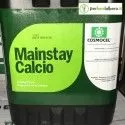
Calcium is essential for cell wall strength and root growth. It is particularly useful on crops such as tomatoes, lettuce, fruit and flowering plants, which need a continuous supply to avoid physiopathologies such as tomato apical rot or fruit splitting. Calcium deficiency manifests itself with the browning of young leaves and a reduction in fruit quality. This element should be applied during the period of active development of the plant, often through fertigation or foliar fertilization. On perfarelalbero.it, you can find fertilizers such as Mainstay Calcium, which supplements calcium with other nutrients for a complete supply.
Boron-based fertilizers
Boron is crucial for flowering and fruit formation, and is often deficient in sandy or acidic soils. Its lack causes deformations in fruits and flowering problems in crops such as brassicas (cabbage, broccoli) and fruit trees. Boron is particularly useful during the flowering and fruit set phases, improving the quality and quantity of fruits. One product featured on the site is Boroplus, which helps prevent these deficiencies effectively.
Iron-based fertilizers
Iron-based fertilizers: Importance and Applications
Iron is an essential nutrient for all plants, essential for photosynthesis and chlorophyll production. Iron deficiency, known as ferric chlorosis, manifests itself with yellowing of the leaves, especially in soils with an alkaline or calcareous pH. This condition particularly affects fruit crops, horticultural crops and ornamental plants, causing stress and reduced productivity.
There are different types of iron-based fertilizers, to be used from the early vegetative stages to prevent or correct ferric chlorosis. Among the most effective products for foliar use are Chelal Fe or Sequestrene Life, which guarantee rapid assimilation of iron through the leaves, quickly correcting deficiency symptoms.
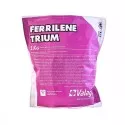
For fertigation, the ideal product is for example Ferrilene Trium, which is particularly effective in alkaline soils. However, for optimal results, we recommend combining it with an organic liquid fertilizer such as Siapton, which acts as an "appetizer" for the roots and improves their assimilation. This combination ensures effective iron absorption and improves the overall health of the plant.
Magnesium-based fertilizers
Magnesium-based fertilizers: Importance and Applications
Magnesium is an essential nutrient for plants, as it is the central element of the chlorophyll molecule, which is essential for photosynthesis. Magnesium deficiency typically manifests itself with intercostal chlorosis, i.e. yellowing between the veins of older leaves. This problem is common on crops such as tomatoes, potatoes and leafy vegetables, and can negatively affect the quality and yield of production.
To prevent and correct magnesium deficiencies, magnesium-based fertilizers can be used, which can be applied either by foliar application or by fertigation, depending on the specific needs of the crop and the growth phase.
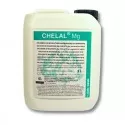
- Foliar Application: Chelal Mg is an excellent product for foliar application. Thanks to its chelated formulation, it is quickly absorbed by the leaves, quickly correcting magnesium deficiencies and promoting optimal photosynthesis. This type of intervention is particularly useful in critical phases of the crop, such as flowering or fruit enlargement, to ensure quality production.
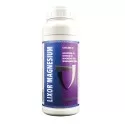
- Fertigation: For application to the ground by fertigation, the use of Lixor Mg is recommended. This fertilizer allows magnesium to be delivered directly to the roots, improving assimilation and preventing deficiencies in the long run. Lixor Mg is ideal for crops in soils deficient in magnesium or for those that require a constant supply of this element throughout the production cycle.
When to use magnesium-based fertilizers? Magnesium fertilizers can be applied throughout the plant's growth cycle, but it is especially important to intervene in critical stages of development, such as flowering and fruiting, to avoid deficiencies that could compromise the quality of the harvest.
Conclusion: Magnesium plays a key role in plant growth and health. The use of specific fertilizers, such as Chelal Mg by foliar application and Lixor Mg by fertigation, allows optimal levels of this element to be maintained, improving the yield and quality of crops, especially in the most sensitive ones such as tomatoes, potatoes and leafy vegetables.
Copper-based fertilizers
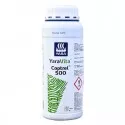
Copper is involved in photosynthesis and protecting plants from fungi and bacteria. A copper deficiency can reduce plant resistance to pathogens and cause a halt in the growth of young leaves. Copper fertilizers are widely used in fruit and vegetable crops, especially in the early stages of growth. Products such as the YaraVita COPTREL, available on perfarelalbero.it, provide copper in an easily assimilated form and are useful for preventing and treating deficiencies.
Zinc-based fertilizers
Zinc is essential for protein synthesis and plant growth. Its deficiency causes dwarfism and leaf deformations, particularly on crops such as vines, citrus fruits and cereals. Zinc can be applied throughout the plant's cycle, with particular attention in the active growth phases. The product CHELAL Zn, which contains zinc and other micronutrients, is ideal for stimulating healthy and vigorous growth.
Sulfur-based fertilizers
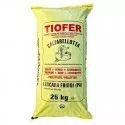
Sulfur is crucial for protein synthesis and the formation of sulfur compounds in plants, which affect the flavor and aroma of many vegetables, such as onions and garlic. Sulfur deficiency manifests itself with the yellowing of young leaves, similar to a nitrogen deficiency. Sulfur-based fertilizers, such as Tiofer, are applied both foliar and soil, particularly on sensitive crops such as cabbage and cereals, while also improving plant resistance to disease.
Molybdenum-based fertilizers
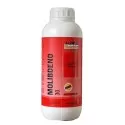
Molybdenum is involved in nitrogen fixation in legumes and nitrate metabolism. Its deficiency can cause yellowing of the leaves and stunted growth, especially in crops such as legumes. Molybdenum fertilisers are often used during the vegetative stage, when the plant needs nitrogen the most. An example is Molybdenum 30 Biolchim, which is useful for preventing these deficiencies.
Advantages of multi-element fertilizers
The use of multi-element fertilizers, such as NPK fertilizers with microelements, is an effective agronomic strategy to provide plants with complete and balanced nutrition. The main benefits come from the ability to adapt to the specific needs of crops and different stages of the growth cycle, offering a versatile and customizable solution for farmers and gardeners. Let's see in detail how these fertilizers can be used and what the benefits are.
Adaptability to crop needs
Multi-element fertilizers stand out for their flexibility in application, as they can be chosen according to the nutritional needs of the plants at different stages of the vegetative cycle:
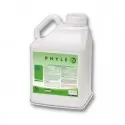
- Nitrogen (N): Essential for the growth of leaves and vegetative structures, nutrients with a high nitrogen content, such as foliar Phylen , are particularly suitable in the early vegetative stages, when plants develop leaf structure and biomass. These products stimulate vigorous growth and promote the assimilation of necessary nutrients.
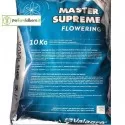
- Phosphorus (P): Essential for root development and to improve the overall quality of crops. Products with a high phosphorus content, such as Master Supreme 11.42.11 for fertigation, are ideal for stimulating rooting and strengthening plants during flowering, improving fruit set and fruit formation.
- Potassium (K): Crucial for improving resistance to stresses, such as drought and disease, and for increasing crop quality. Potassium-based fertilizers, such as Master Supreme 5.10.40 for fertigation, support fruit ripening and sugar accumulation, improving the quality yield of crops.
Types of multi-element fertilizers
Multi-element fertilizers can be classified according to the mode of application, making them suitable for different agronomic strategies:
- Foliar fertilizers: Products such as Triplex NPK allow NPK nutrition to be supplied directly to the leaves, ensuring rapid absorption and immediate responses from the plant. They are particularly useful during the critical phases or quality improvement of the phenological phases, such as flowering, fruit set and size
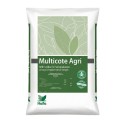
- Granular fertilizers: Ideal for direct application to the soil, slow-release granular fertilizers, such as HAIFA MultiCote Agri 16.21.21, ensure constant and prolonged nutrition, gradually releasing nutrients according to the needs of the plant. their period is preferable in the phases of preparation for the soil or in phases prior to vegetative development, for fruit crops, such as in spring.
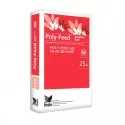
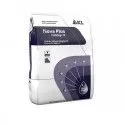
- Fertilizers for fertigation: Water-soluble NPK products such as Poly-Feed 20.20.20, or meso-based elements such as Nova Plus CalMag + TE offer the advantage of supplying nutrients in a targeted manner through irrigation, optimizing efficiency and reducing the risk of losses due to leaching. This type of fertilization is particularly effective in well-drained soils and crops with high nutrient requirements.
Choice of NPK ratio based on crop
Each crop has specific nutritional needs, and choosing the right NPK ratio (Nitrogen, Phosphorus, Potassium) is crucial to maximise productivity and crop quality:
- High Nitrogen (N) content: For vegetative crops, a fertiliser with a high nitrogen content is indicated to stimulate the growth of leaves and plant structures.
- High Phosphorus (P) content: Phosphorus-rich fertilizers are useful for promoting root development and improving flowering and fruit set.
- High Potassium (K) content: Potassium fertilizers improve the resistance of plants to environmental stress and contribute to the quality of the fruit, increasing their sugar content and consistency.
Plan fertilization
For best results, it is crucial to integrate the use of multi-element fertilizers into a well-structured fertilization plan . This plan should be tailored to the specific needs of the soil and crops, preferably with the help of an agronomist technician, who can accurately assess nutritional needs and choose the most suitable products.
The importance of organic fertilization
In winter, it is preferable to use organic or organo-mineral fertilizers to enrich the soil with organic matter and improve its structure. Products such as Tiofer or organic sulfur, in addition to providing nutrients, improve fertility and the soil's ability to retain moisture. Chemical fertilization, on the other hand, can be introduced at least 20-30 days before flowering, providing an immediate supply of nutrients.
Quality of commercial organic fertilizers
When choosing organic fertilizers, it is essential to opt for certified products from reliable companies. The quality of the fertilizer can be influenced by the percentage of moisture: a product with a high humidity may be less concentrated, requiring higher doses and increasing costs. Commercial organic fertilizers offer a better balance between quality and affordability, providing more predictable results than fertilizers of uncertain origin.
Choosing the right fertilizer, according to the needs of the crops and the soil, is essential to ensure abundant and quality production. The integration of multi-element fertilizers, which combine essential nutrients such as nitrogen, phosphorus and potassium, with organic fertilizers and fertigation techniques, represents a winning agronomic strategy. For optimal and personalized planning, it is always advisable to rely on an agronomist technician.
Why fertilize?
Plants, in order to grow and develop properly, need nourishment. The soil, if not regenerated, tends to become impoverished due to the removal of nutrients during the growth cycle. Fertilization allows you to replenish these essential elements, such as nitrogen (N), phosphorus (P), potassium (K) and other fundamental microelements such as magnesium, calcium and sulfur.
The main reasons why it is important to fertilize are:
- Improve crop yields: Well-nourished plants produce higher quality fruit, with improved quantity and resistance.
- Strengthen the plant's resistance to stress: Proper fertilization improves the plant's ability to resist disease, pests, and harsh weather conditions.
- Stimulate root and vegetative growth: Proper plant nutrition promotes root development, which is essential for the absorption of water and nutrients.
When to fertilize?
The right time to fertilize depends on the type of crop and the growth cycle. Here are some general guidelines:
- Orchards: Organic fertilization should be done in winter. This is because the soil has time to assimilate organic matter during the colder months, preparing for vegetative recovery in spring. Subsequently, chemical or mineral fertilization should be done at least 20-30 days before flowering to ensure that nutrients are readily available to the plant during the crucial stage of flower and fruit development.
Recommended product:
- Garden: Before planting a vegetable garden, it is important to prepare the soil at least 10 days in advance with an organo-mineral fertilizer, which provides balanced nutrition and improves soil structure. This will prepare an optimal environment for the growth of new plants.
Recommended product:
Fertilization in organic farming
Fertilization in organic farming is an approach that respects the natural cycles of the soil and plants, avoiding the use of synthetic chemical fertilizers and instead favoring natural products and techniques that improve soil fertility in a sustainable way. The main goal of this method is to nourish the soil, not just the plants, creating a balanced environment rich in organic substances, which in turn make the crops healthier and more resilient.
Organic materials and natural fertilizers
The basis of organic fertilization is the use of organic fertilizers, such as compost, mature manure, green manure and earthworm humus, which slowly release nutrients into the soil, improving its structure and increasing its water-holding capacity. These fertilizers promote the growth of beneficial microorganisms in the soil, such as mycorrhizal fungi and nitrogen-fixing bacteria, which help to make nutrients available naturally and gradually. Organic fertilizers not only provide nitrogen, phosphorus and potassium to plants, but also enrich the soil with secondary elements and microelements, which are essential for the well-being of crops.
Fertilizers based on algae and natural minerals
Another type of organic fertilization includes the use of algae-based fertilizers, which are rich in micronutrients and bioactivating substances, such as natural plant hormones, which stimulate growth and increase resistance to biotic and abiotic stresses. Natural minerals, such as phosphate rock, potassium sulphate and bone meal, are also used to supplement soil fertility, offering a natural and sustainable source of long-lasting nutrients.
Advantages and opportunities in organic farming
One of the main benefits of organic fertilization is the ability to maintain and improve soil fertility in the long term. While chemical fertilizers can provide immediate but temporary results, organic fertilizers contribute to soil health by increasing its ability to retain nutrients and improving its structure. Healthy soil is more resistant to erosion and more fertile, reducing the need for additional fertilization over time.
In addition, organic fertilization promotes biodiversity, both in the soil and in the surrounding environment. The presence of beneficial microorganisms and the non-toxicity of organic fertilizers help to create a balanced ecosystem, reducing dependence on pesticides and other chemical inputs. This type of agriculture respects environmental sustainability, reducing the negative impact on groundwater and preventing pollution from chemicals.
Finally, organic fertilization offers great opportunities for farms that want to address a market that is increasingly oriented towards organic products, which are perceived by consumers as healthier and more environmentally friendly. Adopting organic fertilization practices can improve not only the quality of the final product, but also the value and reputation of the company.
Difference Between Chemical, Organic, and Organo-Mineral Fertilizer
When it comes to fertilizing, it's important to understand the differences between the various types of fertilizer.
- Chemical fertilizers: They are industrial products that contain nutrients in an easily assimilated form. They are immediately available to plants, but they do not improve soil structure. They are useful for providing a quick supply of specific nutrients, but overuse can deplete soil fertility in the long run.
- Organic fertilizers: They are derived from natural raw materials such as compost, manure or plant waste. These fertilizers improve soil structure and release nutrients slowly, promoting a sustainable balance in the soil. Organic fertilization is essential to enrich the soil with organic matter, promoting biological vitality and water retention.
- Organo-mineral fertilizers: They are a combination of chemical and organic fertilizers. They offer the benefit of a balanced immediate and long-term release of nutrients, while improving soil structure.
Fertilizing the orchard in winter and pre-flowering
In the orchard, organic fertilization should be carried out in winter because during the cold season the soil can slowly assimilate organic matter, which will then be available for vegetative recovery in spring. Before flowering, it is important to supplement with chemical or mineral fertilizers at least 20-30 days before, ensuring the availability of nitrogen, phosphorus and potassium, which are essential to support flowering and fruit set.
Recommended product:
Prepare the soil for the vegetable garden with organo-mineral fertilizer
Before planting a vegetable garden, soil preparation is crucial. The application of an organo-mineral fertilizer at least 10 days before sowing favors the balance between nutrients available immediately and those that will be released over time. This ensures a constant nutrient base and allows the roots of new plants to develop in an optimal environment.
Recommended product:
The importance of choosing certified organic fertilizers
Choosing a commercial organic fertilizer from certified companies ensures that the product is safe and of high quality. It is important to consider the moisture content in organic fertilizers: a fertilizer with a high moisture content will weigh more but contain less effective dry matter. This can affect the quality and cost of the fertilizer.
A certified fertilizer ensures that production practices have been monitored and that the final product is efficient in improving soil fertility.
The importance of sulfur in soil and the use of ammonium sulfate or Tiofer
Sulfur is an essential element for plant growth, contributing to protein synthesis and improving phosphorus and nitrogen uptake. It can be provided through the application of ammonium sulfate, which also has an acidifying effect on the soil, which is useful in alkaline soils.
Tiofer is an organic fertilizer rich in sulfur and iron, ideal for correcting the deficiency of these elements in the soil, improving plant growth and soil quality.
Below is a list of the main fertilizations, with the relative links to the articles:
vegetable garden fertilization
Fertilization of the fava beans
Fertilization is a fundamental step in obtaining healthy and abundant crops. Choosing the right product and applying it at the right time, whether it's organic, chemical or organo-mineral fertilisers, can make the difference between a mediocre harvest and a great one. Carefully evaluating the NPK ratio, the quality of the fertilizer and the importance of elements such as sulfur will help you better manage the fertility of your soil and achieve optimal results.
For more advice and to discover our certified products, visit our e-commerce on perfarelalbero.it!
Share this content




 Chronology
 Citrus fruits
 Turf
 Stone fruit
 Olive tree
 Ornamental
 Vegetables
 Actinidia (Kiwi)
 Screw
 Hobbies and insights
 Pome Fruit


