
Your cart
There are no more items in your cart
Fight against soil insects, adults and larvae
Categories :
, Chronology
Index
How to fight Elaterids or Ferretti
Fight against the Mole Cricket
Fight against Popillia Japonica
Howto fight soil pests
The insects of the soil : ferretti, mole cricket, weevil , beetle, capnode, are all very present in agriculture and cause considerable damage to plants and fruits; however, we can intervene less and less with pesticides considering that many chemical molecules are no longer allowed in agriculture.
Many of you often ask us this question: I have thesoil tools how to eliminate them? Our proposal, which stems from consolidated experience in the field, suggests the use of products allowed in organic farming, with very low (if not completely zero) environmental impact.
**
How to fight Elaterids or Ferretti
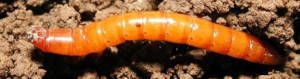
Ferretti are larvae of wireworms of the order of the Coleoptera (genus Agriotes); As is well known, they attack vegetable plants, especially young seedlings, which can die as a result of the damage that these insects inflict on the young stem, but they also attack all fruits that rest on the ground, such as watermelons, melons, pumpkins, or that develop in the ground, such as potatoes, carrots and beets. The larvae are also capable of piercing the irrigation hoses. The contrast action should take place only by fertigation, before or after planting, as follows:
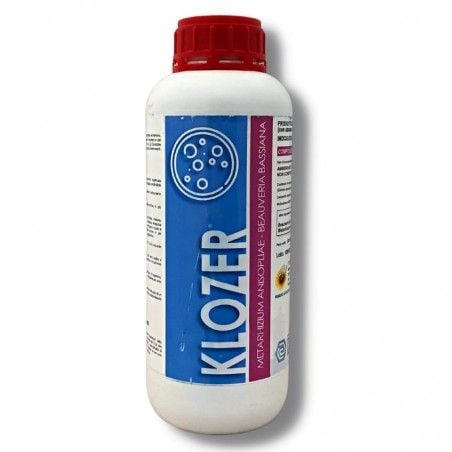
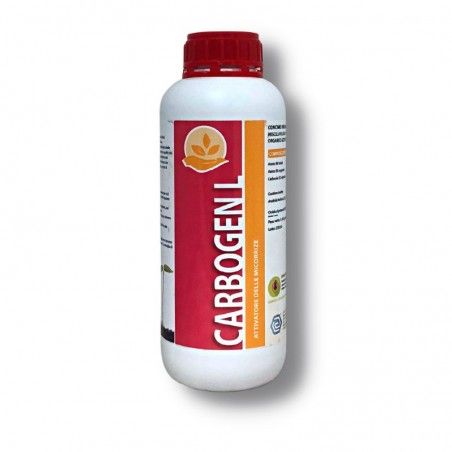
1st intervention: 3 litres of Klozer + 3 litres of Carbogen L, (dose per hectare).
2nd intervention: 1.5 litres of Klozer + 3 litres of Carbogen L. after about 45 days (dose per hectare).
It is advisable to prepare the klozer+carbogen solution one day before administration.
 |
 |
|
**
How to fight The Idler
Would you like to receive our advice? Subscribe to our Newsletter - 8% discount now for you
|
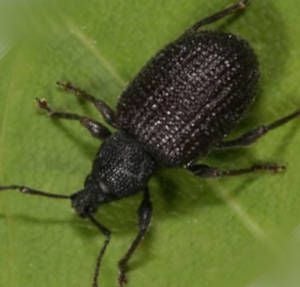
These are polyphagous insects of the order of the beetles (family of the Curcuglionidae) of which the damage that adults cause to the leaves and tender twigs of many cultivated and ornamental species is known, while their larvae attack the roots and taproots. The control can be carried out by foliar treatments with:
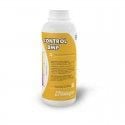
Control dmp at 50-60 cc +
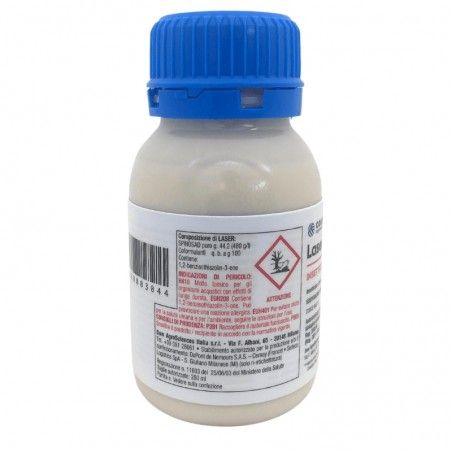
Laser (license required) at 30-40 cc/hl
 |
 |
|
and a soil intervention in fertigation with:
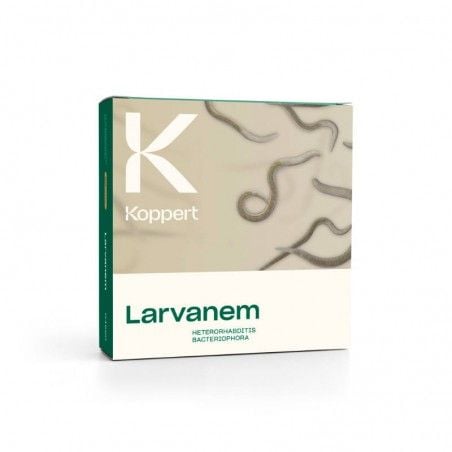
Larvanem at the dose of 500 million /1000sqm
or with
 |
|
Klozer 3 lt +
Carbogen L to 3 lt (dose per hectare) after about 45 days the same dose halved.
It is advisable to prepare the klozer + carbogen solution one day before administration.
|
|
|
**
Fight against the Mole Cricket
Would you like to receive our advice? Subscribe to our Newsletter - 8% discount now for you
|
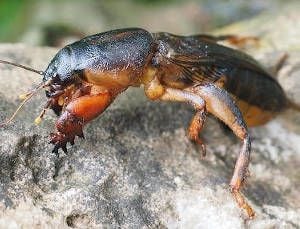
Mole cricket, an orthopteran insect of the mole cricket family (gryllotalpa gryllotalpa) feeds at the expense of the roots and taproots it encounters in the ground while digging its tunnels. The fight is carried out only in fertigation with:
Klozer at 3 lt/ha +
Carbogen L to 3 lt/ha.
Only one intervention may be sufficient.
It is advisable to prepare the klozer + carbogen solution one day before administration.
|
|
|
**
Fight against the Beetle
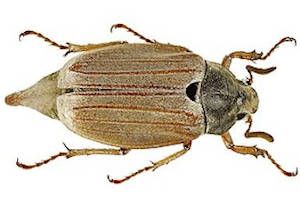
Beetle (melolontha melolontha), a polyphagous beetle insect belonging to the beetle family which, in its larval form, attacks plants from the roots, while the adult attacks the aerial apparatus by eating leaves and tender twigs. Considering the mobility of the adult insect, it is preferable to intervene only by fertigation against the larvae with:
Larvanem at the dose of 500 million/1000 square meters of individuals, or with
Klozer at 3 lt/ha +
Carbogen L to 3 lt/ha and repeat at half dose after 45 days.
It is advisable to prepare the klozer + carbogen solution one day before administration.
|
|
|
|
|
**
Fight against the Capnode
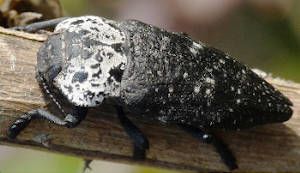
Capnode (capnodis tenebronis), a parasite specific to rosaceae, as an adult causes considerable damage to apricot, plum, almond, peach and cherry plants by eating leaves and twigs. It lays its eggs at the base of the plant and the larva, up to 7 cm long, overwinters at the base of the stump and erodes large roots and the stump itself, with damage such as to kill adult and large trees.
The fight must be carried out mainly against the adult by treating the aerial part, at the appearance of the parasite, with
Control dmp at 50-60 cc +
Laser (license required) at a dose of 30-40 cc/hl.
Against larvae it is possible to intervene, from autumn, with:
Xentari (license required) at 100 cc 7hl, repeated at seven days.
 |
|
Against larvae it is possible to intervene, from autumn, with
Larvanem 500 mil/1000 sqm, preventive/curative treatment if there has been a strong presence of adults who, although conflicted, may have laid eggs, localized to the strain of the parasitized plant, particularly if symptoms of wasting are felt.
Alternatively, you can opt for Klozer at 20 cc + Carbogen at 20 cc, dose per plant, or with an injector pole, or in fertigation, respecting the dose of 3 + 3 per hectare.
In the event of radical intervention, it is necessary to encourage the descent of the product with adequate irrigation.
It is advisable to prepare the klozer + carbogen solution one day before administration.
**
Fight against Popillia Japonica
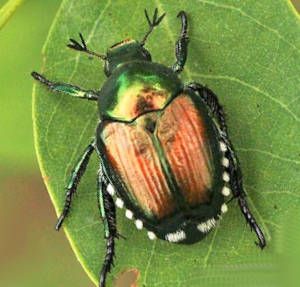
Popillia Japonica is a voracious beetle belonging to the Scarabidae family. The adult feeds on green parts of cultivated, ornamental and spontaneous plants; The fight must be done to the adult who, generally, feeds in areas far from those of oviposition.
Foliar treatments with
Control dmp at 50-60 cc +
Laser (license required) at 30-40 cc/hl.
The recommended products are allowed in organic.
|
|
|
Share this content



 Chronology
 Citrus fruits
 Turf
 Stone fruit
 Olive tree
 Ornamental
 Vegetables
 Actinidia (Kiwi)
 Screw
 Hobbies and insights
 Pome Fruit


