
Your cart
There are no more items in your cart
How to fight potato dorichora?
Categories :
Chronology
, Vegetables
To defend the potato plant, it is important to know how to recognize and be able to fight all the pests that can attack it. Among these, one of the most dangerous and most widespread in the garden is certainly the potato doriphora. In this article, we will help you recognize this little insect through its life cycle and habits. In addition, we will describe what damage the potato dorifora causes to your plant, in order to be able to counteract it (after the damage has already occurred) and, above all, to prevent it.
|
Index: |
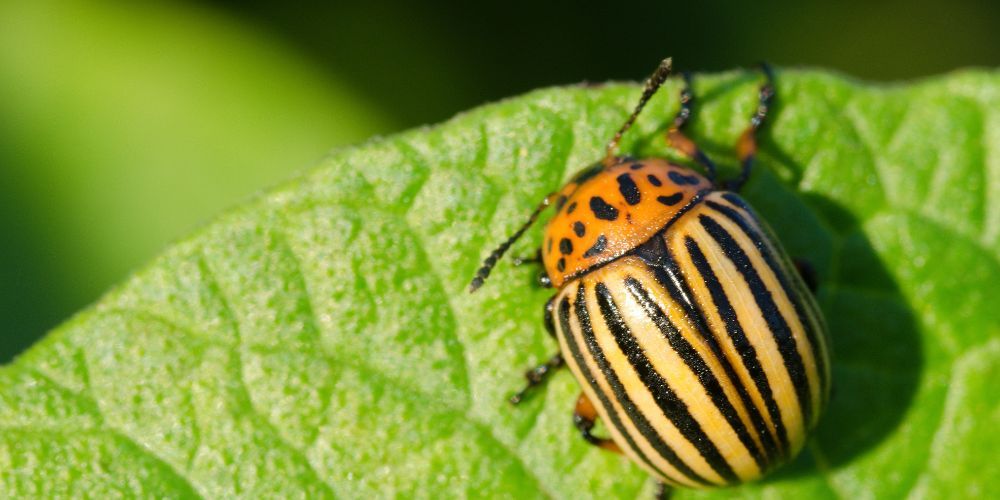
Potato doryphora: what it is and life cycle
The first step in fighting your enemy is to be able to recognize them. In the meantime, let's try to understand how the doryphora arrived in our country. This beetle was introduced to Italy from the American areas of Mexico and Colorado. Its first appearance is documented in Piedmont around the 40s and, having no natural enemies, the potato dorifora managed to spread quickly, reaching the entire Italian territory. As we have already said, the dorifora is only one of the parasitic insects of the potato plant, so you will need to be able to recognize it immediately:
How do you recognize this small potato insect? It is a very particular beetle, with a distinctive sign that will allow you to spot it very easily, especially as an adult. In this stage, in fact, identifying it is very simple: on the two small wings it is equipped with (so-called elytra), you can notice 10 evident black stripes. The adult stage, however, is not the only stage to be monitored in order to be able to better understand this insect and to be able to fight it. The potato doryphora, in fact, undergoes numerous metamorphoses during its life cycle.
What is the life cycle of the potato doriphora?
After the winter period buried in the ground, the adult dorychora comes out in spring, when the soil temperature reaches about 14°C. Thus, the potato dorifora begins to feed on the plant, then mates and lays eggs on the leaves (1 generation). The newborn larvae voraciously continue the trophic nutrition on the vegetation started by the adults and, after 3 weeks, the mature larvae pupate underground and give rise to a second generation.
Potato Doryphara: the greatest damage
After giving you some useful tips for recognizing the beetle, we will now focus on what damage this insect causes to your potato plant in the event of an attack. The first thing to know is that the potato beetle is a very dangerous and insidious insect: we are faced with a beetle that is very voracious and greedy for leaves and that causes damage not only in the adult state, but also in that larval state. How might your plant react in the event of an attack? If you are lucky, your tuber will be able to react and cause a growth, albeit stunted, of new shoots. In the case of severe attacks, however, your plant will suffer severe defoliation, resulting in a reduction in photosynthetic capacity. What is the major consequence of this damage? The production of tubers will be drastically reduced and the tubers will be small. These are the problems that you will surely encounter in the event of a doriphora attack. Our goal, however, is to prevent your plant from being attacked and to provide you with the necessary remedies and advice to prevent any possible attack.
How to prevent the doryphora: the remedies
Among the remedies to prevent a doryphora attack, the main one certainly consists in the implementation of a wide crop rotation. However, if this system is very functional in large plots of land, it will be almost irrelevant for a small home garden. In the latter case, in fact, even if you move your potatoes from one plot to another, the adult doryphora will reach them without difficulty, given the small size of a home garden.
An additional precaution that will help you prevent an attack is to eliminate the surrounding soil from grasses. Some weeds (such as Solanum dulcamara or Atropa belladonna) or some ornamental grasses, such as tulips, are host plants for the potato doryphora. Therefore, if you eliminate them, you will decrease the risk of infestations. But what to do in the event of an infestation that has already occurred?
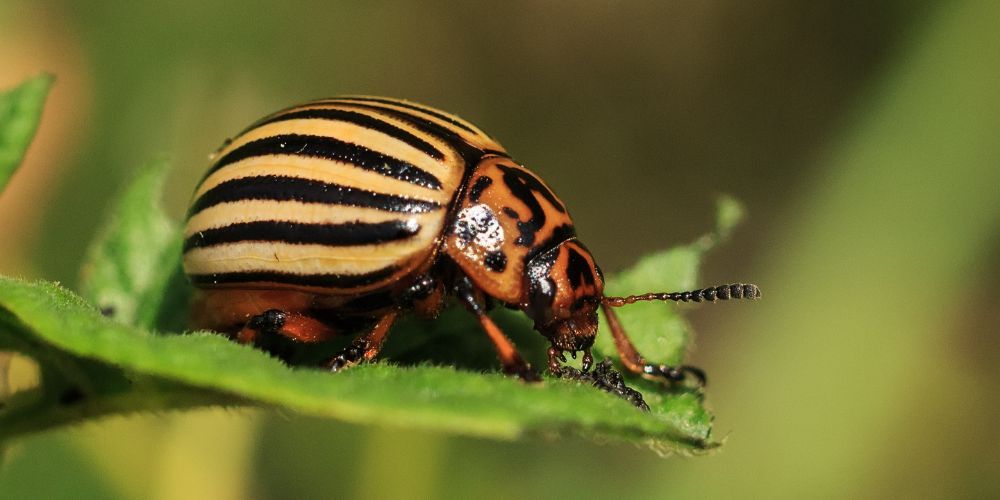
Potato doryphora: biological control
In the event of an infestation that has already occurred, one of the options is to proceed with the biological control of the potato doriphora. The organic route is the one that the Perfarelalbero team prefers, because it guarantees effective results, but in compliance with environmental needs.
Therefore, with this principle firmly in mind, we turned to our technicians, asking them for a strategic solution that would guarantee a double effect. On the one hand, that of recommending products allowed in organic and on the other, that of indicating products that were able to ensure the same effects as conventional products. Thus, in developing a control strategy that respected these two parameters, our technicians noticed in the field the effectiveness of 3 active ingredients against potato doryphora: pyrethrum, spinosad and azadirachtin.
Therefore, in case you do not already have one of the products based on these 3 principles, the ones we recommend are:
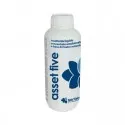
- Asset Five (active ingredient: pyrethrum) 64 mL/hL, 3 treatments at 7-day intervals
- Laser (active ingredient: spinosad), intervene at the hatching of the first eggs with 50 ml/ha (10 ml/hl). Repeat the treatment after about 10 days, depending on the level of infestation
- Neemik Ten (active ingredient: azadirachtin) 350 ml/ql
In the event that you do not have a license, you can proceed with the fight against the dorifora, through the use of:
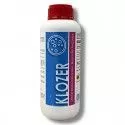
- Klozer (dosage: 2l/ha)
In this case, our advice is to proceed both by sprinkling and by application to the soil. By applying Klozer to the soil, we will be able to control the larva by preventing it from ending its life cycle, becoming a butterfly. By applying it by sprinkling, on the other hand, we will ensure that the larva, eating the leaf, ingests the spores of the fungi of which Klozer is composed. Once inside the doryphora, the fungus will cause its death.
Would you like to receive our advice? Subscribe to our Newsletter - 8% discount now for you
|
Potato Doryphora: conventional pest control
While you prefer the organic strategy, you probably want to counter the potato dorifora with conventional control. We remind you that, in this case, it will be necessary to proceed immediately after the appearance of the adults of doryphora.
Attention! It is important to proceed with conventional treatment before the plant blooms. If the plant already has flowers, then it will be necessary to anticipate or postpone the treatments
The product we recommend for a conventional strategy is one of the following:
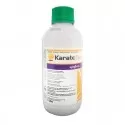
- Karate Zeon 1.5 (dosage: 150ml/ha)
Karate Zeon is a pyrethroid insecticide that acts essentially by contact and, secondarily, by ingestion by the target insect. Our advice is to evenly cover the surface you want to protect, making sure to favor the contact of the product with the dorifora.
- Trebon UP (dosage: 50ml/hl)
Trebon Up is a multi-purpose insecticide capable of acting both by contact and by ingestion, as well as being selective towards beneficial insects*
To acidify the solution and to optimize the absorption of the product you have preferred between Trebon Up and Karatezeon, we suggest you use:
- Blackjak, a bistimulant capable of carrying out an important conveying action
*Read also our article on the use of useful insects in agriculture
Conclusions and considerations
In respect of the environment of which Perfarelalbero tries to be a spokesperson, our advice is always to opt for a biological defense strategy. If you want to learn more about potato cultivation, we suggest you read the full article on organic potato cultivation
Share this content







 Chronology
 Citrus fruits
 Turf
 Stone fruit
 Olive tree
 Ornamental
 Vegetables
 Actinidia (Kiwi)
 Screw
 Hobbies and insights
 Pome Fruit


