
Your cart
There are no more items in your cart
How to eliminate mosquitoes in the garden
Categories :
Chronology
, Ornamental
, Turf
How to fight mosquitoes in the garden?
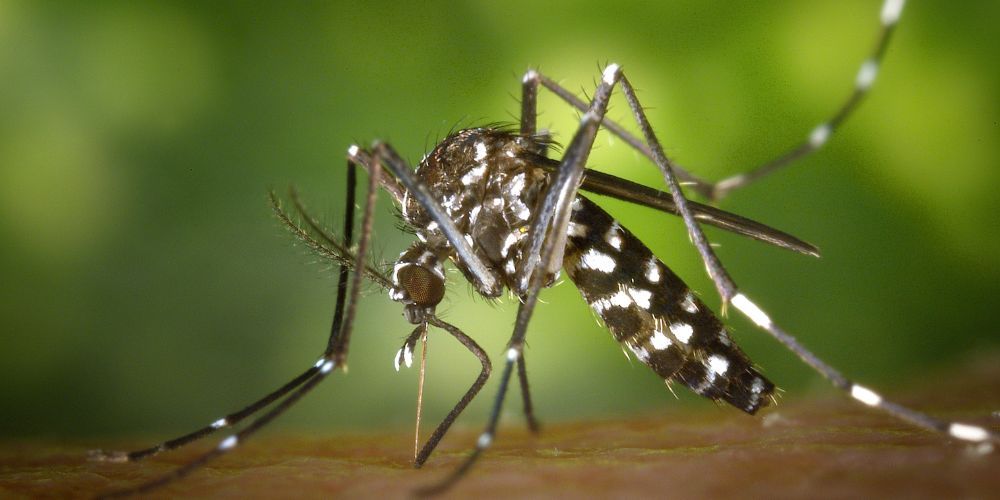
As temperatures rise and summer arrives, mosquitoes become the worst enemy for your garden, vegetable garden or balcony. How to eliminate mosquitoes in the garden? The remedies you can use range from the use of plants against mosquitoes, to the use of mosquito repellents in case of massive infestation
Index:
How to eliminate mosquitoes in the garden: plants against mosquitoes
In nature, there are specific plants and flowers that act as a natural remedy against mosquitoes. These are both indoor and outdoor plants which, thanks to their strong repellent smell, are able to ward off mosquitoes, especially in small places. The plants with a greater anti-mosquito action are:
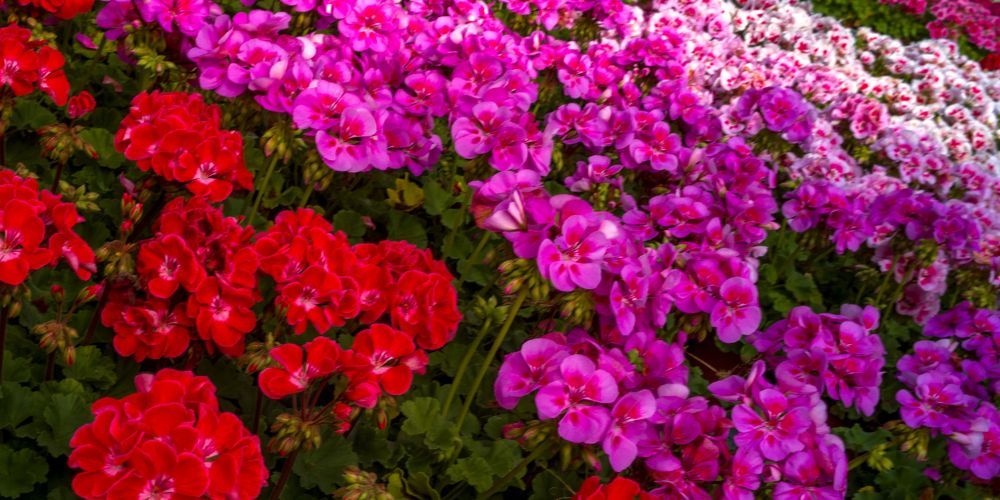
- The geranium: the effectiveness of geranium against mosquitoes is closely linked to the place where it is placed. In fact, if you decide to place it in areas that are not too large (such as the balcony), its effectiveness will be greater.
- citronella: one of the best known and most used plants against mosquitoes. The smell it gives off is similar to that of lemon and is very annoying for mosquitoes, which will move away from both your surroundings and your skin.
- Lavender: The lavender plant contains a particular type of terpene alcohol, linalool, which is an effective active ingredient for repelling mosquitoes
- Catambra: its smell, imperceptible to humans, is particularly unpleasant to mosquitoes, due to a specific molecule (catalpol) present in the leaves of this plant.
Obviously, the action of plants against mosquitoes depends on the size of the space in which the plant is used. Therefore, having only one of the plants listed will be an unproductive choice for a large enough space, especially if there is a real infestation in progress.
Would you like to receive our advice? Subscribe to our Newsletter - 8% discount now for you
|
Products against mosquitoes in gardens: which ones to use?
In places with a hot-humid climate, typical especially of the flat areas of the Italian peninsula, mosquitoes spread very quickly. Therefore, in places like these, often the use of natural remedies (e.g. essential oils from the environment, onions, lemon and vinegar or mosquito repellent plants) is not enough and it is necessary to intervene with useful remedies for the disinfestation of your gardens and the areas bordering your home.
Attention! Water management is very important to avoid water stagnation. In these places, in fact, mosquitoes are used to creating infestation tanks
Mosquito disinfestation garden
A strategy that we would like to recommend is to fight mosquitoes through the Geyser misting system:
It is an ideal system for mosquito treatments in localized areas such as terraces, gardens or campsites. How does that work? Inside the nebulizer you can insert a liquid (repellent and/or de-habiting) and, subsequently, set the frequency and duration of the cycles.
The strategy that the Perfarelalbero team recommends is a green strategy, which involves the use of:
If you want to proceed with a barrier treatment, simply add one of these two expansion kits to the system, to be chosen according to the size of the chosen Geyser nebulization system:
- basic kit for mosquito sprayer (for 2L system)
- Pro GeyseR kit (for 4L system)
If, on the other hand, you prefer conventional battle modes, then the strategy we recommend you use is:
Draker 10.2: broad-spectrum abatement insecticide based on Cypermethrin, Tetramethrin, Piperonylbutoxide, anti-garden mosquitoes, recommended for outdoor and indoor environments.
Our suggestion is to use it at a dose of 250 ml on an area of 100 m², taking care to apply it on hedges, lawns, walls, windows, windowsills and avoiding that the product ends up on our vegetable garden.
Turi -MZ: organic soil improver based on mycorrhizal fungi and Bacillus thuringensis sp. israeliensis, which has been shown to be effective in reducing the presence of flying insect larvae and mosquitoes. To be applied at a dose of 100 ml/hl on lawns and 100-200 ml/hl on gardens and public areas.
Share this content


 Chronology
 Citrus fruits
 Turf
 Stone fruit
 Olive tree
 Ornamental
 Vegetables
 Actinidia (Kiwi)
 Screw
 Hobbies and insights
 Pome Fruit


