
Your cart
There are no more items in your cart
Autumn plants: colors and life for your garden
Categories :
Chronology
, Ornamental
Index
Autumn plants: a riot of colors and shapes
How to grow and care for autumn plants
Most common pathologies in autumn plants
Frequently Asked Questions (FAQs) about Autumn Plants
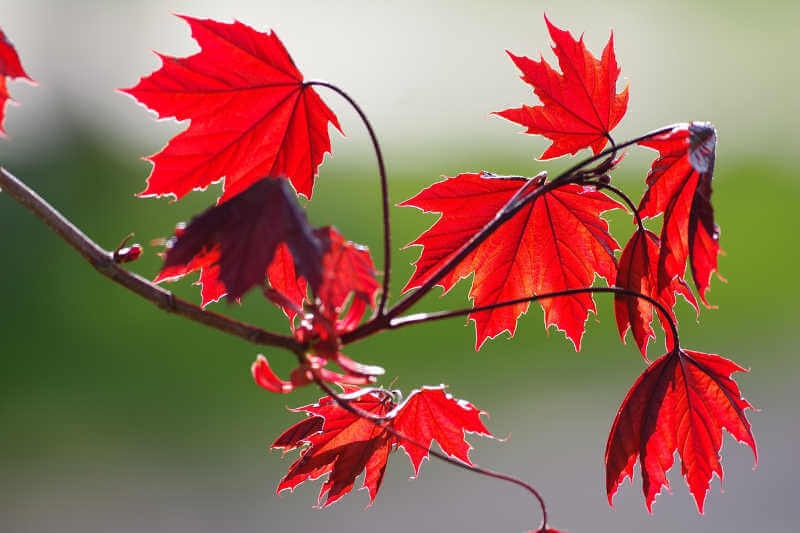
With the arrival of autumn, the landscapes are tinged with warm and enveloping colors. Autumn, in fact, is not only the fall of the leaves, but it is also the period in which many plants reach their maximum splendor. In this article we will explore autumn plants, their characteristics, how to grow them and which are the most suitable for making gardens and green spaces alive and colorful even in the coldest months.
Autumn Plants: A Riot of Colors and Shapes
The most common species
Among the most popular autumn plants we find:
-
Chrysanthemums: symbol of autumn, with their brightly colored flowers ranging from yellow to orange, from red to purple.
-
Aster: ideal for borders, with small daisy-like flowers, perfect for an elegant touch.
-
Ornamental cabbages: with decorative leaves, with shades ranging from green to purple, they resist the cold well.
-
Heather: an evergreen plant with pink or purple flowers, perfect for creating colorful carpets.
Autumn trees and shrubs
Trees such as Japanese maple and liquidambar offer warm-toned leaves, while shrubs such as firethorn produce orange or red berries, which are also useful for attracting wildlife.
How to Grow and Care for Fall Plants
Prepare the soil
Autumn plants require well-drained soil that is rich in nutrients. It is essential to work the soil in advance, enriching it with compost or organic fertilizers.
Water and climate needs
Although autumn brings with it a wetter climate, it is important to control watering. Some plants, such as chrysanthemums, prefer regular watering, but without waterlogging.
Protection from the cold
To protect the most delicate roots, it is recommended to use a layer of mulch that helps keep the soil temperature constant.
Autumn plant nutrition: recommended products
To promote the growth and well-being of your plants during autumn, it is important to use balanced and targeted products. Here is a selection of products and how to use them:
A balanced foliar fertilizer with nitrogen, phosphorus, and potassium in equal proportions. Ideal for supporting plants in autumn when they need energy for growth and preparing for winter.
Doses: 150-200 g per 100 liters of water.
Tips: Apply every 10-15 days on dry leaves, preferably early in the morning or at sunset.
A biostimulant based on copper and zinc, ideal for strengthening the natural defenses of plants against fungal diseases.
Doses: 250-300 ml per 100 liters of water.
Tips: Use as a preventive measure during autumn temperature changes, spraying all over the plant.
A biological activator that improves nutrient absorption and stimulates root growth. Perfect for invigorating plants in autumn.
Doses: 1 litre per hectare in fertigation or 300 ml per 100 litres of water in foliar application.
Tips: Administer every 20 days to optimize fertilizer absorption.
A product based on Trichoderma harzianum, useful for protecting roots from soil pathogens and improving root structure.
Doses: 200-250 g per 100 liters of water.
Tips: Apply directly to the soil every 4 weeks to ensure maximum effectiveness.
A fertilizer rich in potassium, ideal for improving the resistance of plants to the first autumn colds and promoting an intense color of the leaves.
Doses: 2-3 litres per hectare in fertigation or 300 ml per 100 litres of water in foliar application.
Tips: Administer in the first weeks of autumn to prepare the plants for the drop in temperatures.
Would you like to receive our advice? Subscribe to our Newsletter - 8% discount now for you
|
Most Common Pathologies in Autumn Plants
Plants in autumn are often subject to various diseases, including fungal diseases and pest infestations . Recognising the symptoms and intervening promptly is essential to keep the garden healthy.
Fungal diseases
The humidity typical of autumn favors the appearance of fungal diseases. Here are the main ones and how to treat them:
1 - Powdery mildew: Characterized by a white patina on the leaves.
How to treat powdery mildew on autumn plants
Powdery mildew, also known as "white mildew," is one of the most common fungal diseases that affect plants in the garden and vegetable garden. It manifests itself as a whitish or grayish patina on the leaves, stems and, in some cases, fruits. An effective solution to combat this disease is the use of Zolvis, a sulfur-based fungicide.
Why use Zolvis to combat powdery mildew?
Zolvis is a micronized sulfur-based product that acts by contact, inhibiting the growth of the fungus responsible for powdery mildew. It is effective and safe for a wide variety of crops, both in the open field and in greenhouses.
Active ingredient: Micronized pure sulfur.
-
Mode of action: It works by blocking spore germination and stopping the development of fungal mycelium.
Doses and methods of application of Zolvis
Doses:
-
300-500 g per 100 litres of water for horticultural, fruit and ornamental plants.
-
2-5 kg per hectare, depending on the cultivation density and the severity of the infestation.
How to use:
-
Prepare a solution with water, making sure the product is well mixed.
-
Spray the mixture evenly on all surfaces of the plant, including the underside of the leaves.
-
Repeat the treatment every 7-10 days in case of climatic conditions favorable to the development of powdery mildew (heat and humidity).
When to use Zolvis?
-
Prevention: Apply Zolvis at the beginning of the season when the climatic conditions are favorable for powdery mildew (temperature between 15°C and 25°C).
-
Treatment: Intervene as soon as you notice the first symptoms, such as whitish or dusty spots on the leaves or shoots.
Useful Tips
Avoid application on very hot days or with temperatures above 30°C to prevent phytotoxicity.
Do not use Zolvis in combination with mineral oils or copper-containing products, to avoid adverse chemical reactions.
Rinse the equipment well after use to avoid residue.
2 - Downy mildew: It manifests itself with yellowish spots on the leaves and whitish mold on the underside.
How to fight downy mildew on autumn plants
Blight is one of the most feared fungal diseases in autumn, caused by pathogens such as Phytophthora and Peronospora spp., which thrive in conditions of high humidity and moderate temperatures. This disease manifests itself with yellow or brown spots on the leaves, necrosis on the stems and, in severe cases, the decay of the entire plant.
Kaolin: mechanical protection against downy mildew
Kaolin is a natural mineral powder that creates a protective barrier on the surface of the plant, preventing the fungus from attacking plant tissues.
-
Doses: 2-3 kg per 100 liters of water.
How to apply:
-
Mix the product in water until a homogeneous solution is obtained.
-
Spray evenly on leaves and stems, also covering the underside of the leaves.
Useful tips: Apply in prevention, especially after periods of rain, to reduce surface moisture on plants.
Zeolite: moisture-absorbing and natural reinforcement
Zeolite is a volcanic silicate that absorbs excess moisture, creating an unfavorable environment for the fungus to develop. In addition, it improves the resistance of plants to downy mildew attacks.
-
Doses: 2-4 kg per 100 liters of water.
How to apply:
-
Mix in water and apply to leaves, stems and surrounding soil.
-
Repeat the application every 10-15 days during the fall.
Useful tips: Ideal for horticultural and fruit crops, especially in areas subject to high humidity.
Cupravit: copper for the direct control of downy mildew
Cupravit (license required) is a copper-based fungicide, effective both in prevention and in curative treatment against downy mildew. Copper is a key element in the management of this disease due to its direct action on the pathogen.
-
Doses: 250-300 g per 100 liters of water for horticultural and ornamental crops; 2-3 kg per hectare in open field.
How to apply:
-
Prepare a solution with the recommended dose and spray evenly over the entire plant.
-
Make sure that the treatment also covers the new shoots and the underside of the leaves.
Useful tips: Use alternately with natural products such as Kaolin or Zeolite to reduce the risk of copper accumulation in the soil.
Autumn pests
The most common pests in autumn can severely damage plants. Here's how to deal with them:
-
Aphids: Small insects that infest leaves and stems, causing deformation and yellowing.
How to eliminate aphids on autumn plants
Aphids are persistent pests that attack numerous autumn plants, taking away linfa and weakening plants. Their presence is often recognizable thanks to deformed leaves, yellowing and the appearance of honeydew, which promotes sooty mold. A natural and effective remedy to counteract them is Nettle Vebi, a product based on nettle extract, ideal for those looking for an organic and safe alternative to eliminate aphids.
Why choose Vebi nettle to fight aphids?
Nettle Vebi is an organic insecticide made from nettle extract, known for its repellent and strengthening properties. The product acts naturally, repelling aphids without damaging the surrounding ecosystem or the treated plants. It is particularly suitable for vegetables, ornamental and fruit plants.
Doses and methods of application
Servings: Dilute 100-200 ml of Vebi nettle in 10 liters of water.
How to use:
-
Prepare a solution by mixing the product with water following the recommended doses.
-
Spray the solution on the infested plants, taking care to evenly wet all parts, including the underside of the leaves.
-
Repeat the treatment every 7 to 10 days or after heavy rainfall for continued effectiveness.
When to use Nettle Vebi?
Nettle Vebi is effective as both a preventive and curative treatment:
-
Prevention: Apply it in the early stages of plant growth to strengthen its natural defenses.
-
Care: Use it as soon as you notice the first signs of infestation, such as small visible insects or sticky honeydew.
Benefits of Nettle Vebi
-
Natural and safe: Suitable for organic farming and not harmful to useful insects such as bees and ladybugs.
-
Multiple actions: Not only does it ward off aphids, but it strengthens plants by improving their resistance to stress.
-
Easy to use: Ideal for hobbyist and professional farmers.
Useful tips for greater effectiveness
-
Regular inspection: Check your plants often for early signs of infestation and take action promptly.
-
Plant cleaning: Manually remove severely infested leaves or shoots to reduce the aphid population.
-
Suitable climate: Carry out the treatment on days without rain and with moderate temperatures to avoid washout and maximize the effectiveness of the product.
With Nettle Vebi, you can protect your autumn plants from aphids naturally, keeping your garden healthy and lush. An ecological solution for a garden in harmony with the environment!
3 - Mealybugs: Pests that suck linfa and leave sticky residue on the leaves.
How to eliminate mealybugs on autumn plants
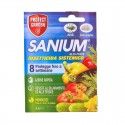
Mealybugs are particularly insidious pests that attack autumn plants, stealing linfa and causing weakening, yellowing of the leaves and slowed growth. They are recognized as small insects with waxy or cottony shells, often located along the stems, branches and on the underside of the leaves. To effectively eliminate these pests, the Sanium SL25 product represents a systemic and long-lasting solution, easy to use even for hobbyist farmers.
Why choose Sanium against mealybugs?
Sanium SL25 is a systemic insecticide based on the active ingredient Flupyradifurone, which works by penetrating the plant tissues of the plant. This action allows you to eliminate hidden mealybugs and protects the plant from new infestations for several weeks. It is particularly effective on vegetables, ornamental plants and fruit trees.
Doses and methods of application
Doses:
10-15 ml of Sanium per 10 litres of water, enough to treat about 100 m² of surface.
How to use:
-
Dilute the required amount of Sanium in water, making sure to mix the solution well.
-
Spray the product evenly throughout the plant, focusing on the areas affected by mealybugs, including the stems and underside of the leaves.
-
Repeat the treatment after 15-20 days in case of severe or persistent infestations.
When to apply Sanium?
-
Prevention: Sanium can also be applied in autumn as a preventive treatment, to protect plants from possible mealybug infestations.
-
Care: It is advisable to intervene as soon as you notice the first signs of infestation, such as small insects, waxy secretions or sticky honeydew that can attract sooty mold.
Useful tips for greater effectiveness
-
Regular monitoring: Check your plants frequently, especially in the most hidden areas such as the underside of branches and leaves.
-
Manual cleaning: Before applying Sanium, remove visible mealybugs with a damp cloth or soft toothbrush to facilitate the action of the product.
-
Ideal conditions: Carry out the treatment on dry and windless days, avoiding the hottest hours of the day.
Benefits of Sanium against mealybugs
-
Systemic action: It penetrates the tissues of the plant, eliminating both visible and hidden mealybugs.
-
Prolonged protection: A single application protects plants for up to 4 weeks.
-
Ease of use: Ideal for those who want a quick and effective treatment without complications.
With Sanium, you can eliminate mealybugs and protect your autumn plants, ensuring health and beauty for your garden all season long!
4 - Thrips: Tiny insects that cause silver spots on the leaves.
How to get rid of thrips on autumn plants
Thrips are small parasitic insects that can cause serious damage to autumn plants, both ornamental and horticultural. They feed on the linfa of plants, leaving silvery spots or discoloration on the leaves, deformations in the shoots and fruits, as well as weakening the plant overall. A natural and effective treatment to combat them is Nettle Vebi , a product based on nettle extract, ideal for the biological control of thrips.
Why choose Vebi nettle against thrips?
Ortica Vebi is an organic and sustainable product, formulated with nettle extract, which acts as a natural repellent against thrips. In addition to fighting these pests, it strengthens the plants' natural defenses, improving their resistance to future attacks. It is suitable for vegetables, ornamental and fruit plants.
Doses and methods of application
Doses:
Dilute 100-200 ml of Vebi nettle in 10 liters of water.
How to use:
-
Prepare a solution by mixing the product with water following the recommended doses.
-
Spray the solution evenly on all parts of the plant, focusing on leaves, flowers, and fruits, especially at the bottom of the leaves where thrips nest.
-
Repeat the treatment every 7 to 10 days or after heavy rainfall.
When to use Nettle Vebi?
-
Prevention: Apply the product during autumn, especially in the presence of climatic conditions favorable to thrips (humidity and mild temperatures).
-
Care: Intervene promptly at the first sign of infestation to reduce damage and limit the proliferation of the parasite.
Useful tips for greater effectiveness
-
Monitoring: Check your plants regularly, looking for signs of thrips such as silver spots on the leaves or the presence of small dark insects.
-
Cleaning the plants: Remove heavily damaged leaves to prevent thrips from spreading.
-
Suitable climate: Carry out the treatment on dry and windless days, preferably early in the morning or at sunset, to avoid evaporation of the solution.
Benefits of Nettle Vebi against thrips
-
Natural and organic: Safe for the environment and not harmful to beneficial insects such as bees and ladybugs.
-
Natural strengthener: Improves plants' resistance to environmental stresses and pests.
-
Ease of use: Also ideal for hobbyist farmers and novice gardeners.
5 - Red spider mite: The red spider mite (Tetranychus urticae) is one of the most feared pests by gardeners and farmers. This mite, visible only to the attentive eye, attacks numerous ornamental, horticultural and fruit plants, causing serious damage to the leaves and compromising the general health of the plant.
How to eliminate the mite (red spider mite) on autumn plants
The spider mite (Tetranychus urticae) is a parasitic mite that can severely damage autumn plants, causing yellowing, dry leaves and slowed growth. It is easily recognized by the presence of tiny red or yellowish dots on the foliage and thin cobwebs on the underside of the leaves. To combat the red spider mite effectively and naturally, Cifo Soft Soap is an ecological and safe solution.
Why use Cifo Soft Soap against spider mites?
Cifo Soft Soap is an organic product based on potassium soaps, ideal for eliminating spider mites and other sucking parasites. It acts by contact, dissolving the protective waxy layer of the parasite and dehydrating it, without damaging the plant. In addition, it is safe for the environment, beneficial insects and pets.
Doses and methods of application
Servings: 200-300 ml of Cifo Soft Soap in 10 liters of water.
How to use:
-
Dilute the product in water following the recommended doses and mix well.
-
Spray the solution on the infested plants, focusing on the underside of the leaves, where the spider mite tends to nest.
-
Repeat the treatment every 7-10 days, until the mite is completely eliminated.
When to use Cifo Soft Soap?
-
Prevention: It can be used regularly in autumn to reduce the risk of infestations, especially in low humidity and moderate temperatures.
-
Care: Intervene at the first signs of infestation to prevent the spider mite from spreading rapidly.
Useful tips for effective treatment
-
Uniform application: Be sure to completely wet all parts of the plant, including leaves, branches, and stems.
-
Remove infested parts: If any leaves are severely damaged, remove them to reduce the mite population.
-
Avoid hot hours: Apply the treatment early in the morning or at sunset to prevent the product from drying out too quickly.
Benefits of Cifo Soft Soap
-
Organic and safe: Suitable for organic farming and free of toxic residues.
-
Fast action: Eliminates the red spider mite in a short time and prevents new infestations.
-
Environmentally friendly: It does not harm beneficial insects such as ladybugs and bees.
FAQ (Frequently Asked Questions) about Autumn Plants
What are the easiest autumn plants to grow?
-
Plants such as heather, ornamental cabbage, and chrysanthemums are simple to grow, making them ideal even for beginners.
Can I plant new plants in the fall?
-
Yes, fall is perfect for planting spring bulbs and shrubs that will have time to root before winter.
Which autumn plants attract wildlife?
-
Firethorn and callicarpa produce berries that attract birds and insects, enriching the biodiversity of your garden.
How to protect autumn plants from frosts?
-
Use a mulch and, in case of sudden frosts, cover the plants with protective sheets.
Can fall plants grow in pots?
-
Of course, many autumn plants, such as heather and ornamental cabbage, are perfectly suited for growing in pots.
Share this content





 Chronology
 Citrus fruits
 Turf
 Stone fruit
 Olive tree
 Ornamental
 Vegetables
 Actinidia (Kiwi)
 Screw
 Hobbies and insights
 Pome Fruit


