
Your cart
There are no more items in your cart
The Jade Tree: Care and Cultivation at Home
Categories :
Chronology
, Ornamental
Index
Jade tree infested with mealybugs
FAQ (frequently asked questions) about the Jade Tree

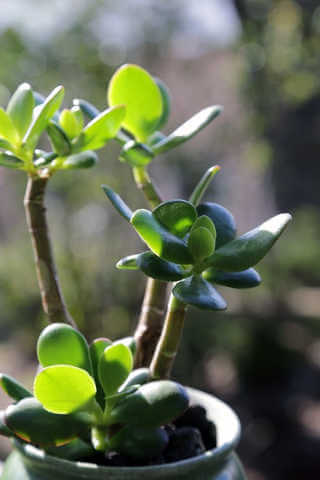
L'Jade Tree(Crassula ovata) is a succulent plant beloved for its hardiness and beauty. Also known asluck plantomoney plant, it is considered a good luck charm in many cultures. Its ease of cultivation and ability to adapt to different environments make it a perfect choice for decorating home interiors.
Origins and Characteristics
The Jade Tree is native toSouth AfricaandMozambique, where it grows in dry, rocky environments. It is easily recognized by itsfleshy, glossy leaves, often bright green with reddish edges when exposed to bright light. This plant can live for decades, developing over time a woody trunk that resembles a small tree.
How to Care for the Jade Tree
Exposure to LightL'exposure to lightis critical to the health of the Jade Tree. It preferswell-lit locations, such as near a south- or west-facing window. Bright light promotes compact growth and keeps the leaves brightly colored. However, it can also tolerateindirect light, adapting well to indoor environments.
WateringBeing a succulent plant, the Jade Tree stores water in its leaves. L'wateringshould be moderate:
Caution: Avoid waterlogging, which can causeroot rot, a major cause of death for this plant. Soil and RepottingThe Jade Tree needs awell-draining soil. A specific mix forsucculentsor a universal soil mix with sand and perlite to improve drainage.
NutritionDuring the growing season (spring and summer), fertilize every month with aliquid fertilizer for succulent plants. Reduce or discontinue fertilizing during the winter months. |
Would you like to receive our advice? Sign up for our newsletter - 8% discount right away for you
|
Common Problems and Diseases
The most common diseases of the jade tree (Crassula ovata) are mainly related to excess moisture, water stagnation and fungal or parasitic attacks. Here is a list of the most common problems:
- Root rot: caused by excess water or stagnation in the substrate. Rot is often caused by fungi such as Pythium or Phytophthora. Symptoms include soft, yellowed and drooping leaves, and the plant looks visibly distressed. Maintaining good drainage and reducing watering is essential.
- Gray mold (Botrytis): under conditions of high humidity and poor ventilation, gray mold may develop on leaves or stems. It is important to ensure good air circulation and remove any affected parts promptly.
- Mealybugs: these are small insects that attach themselves to leaves and stems, feeding on linfa. Their presence is visible as white or brown spots on the leaves.
- Aphids: although less common, aphids can infest new leaves and shoots, causing deformities and reduced growth.
- Powderymildew: this fungal disease manifests as a white powder on leaves, often due to poor ventilation or high humidity. To prevent it, avoid wetting the leaves and improve ventilation.
Radical Rot
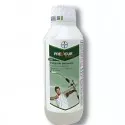
To address this problem, it is essential to improve cultivation practices, such as reducing watering and ensuring good soil drainage. However, the use of specific products againstroot rot such as the Previcur Energy (patent required) can help control fungal infection.
The Previcur Energy is a systemic fungicide containing Propamocarb and Fosethyl, effective against collar and root rots caused by Pythium and Phytophthora. This product also stimulates plants' self-defense systems. It is important to note that Previcur Energy requires a license for purchase and use.
Alternatively, for those who do not have a license, you may consider the use of MycosatF UNO Mini Granular, a consortium of fungi and rhizosphere bacteria that act as natural antagonists of soil pathogens, improving root health and preventing fungal infections.
Remember that prevention is key: avoid overwatering, use a well-draining substrate, and regularly monitor the plant's health to intervene promptly in case of suspicious symptoms.
Gray Mold
Gray mold, caused by the fungus Botrytis cinerea, can affect the jade tree (Crassula ovata), especially under conditions of high humidity and poor ventilation. To treat this disease, you can use Switch of Syngenta (patent required), a fungicide effective against gray mold and other rots on many crops. If you do not have a patent, you can use a fungicide based on free-selling potassium bicarbonate under the trade name Armicarb Spray PFnPE.
Method of Use: For jade tree, prepare a solution by diluting 0.8 grams of Switch per liter of water. Apply the solution to the affected parts of the plant, making sure to evenly wet the leaves and stems. It is important to carry out the treatment during the cooler hours of the day and ensure good ventilation during and after application.
Precautions for Use:
- Personal Protection: Wear gloves and mask when preparing and applying the product.
- Environment: Avoid contact of the product with soil and water, as it can be harmful to aquatic organisms.
- Repeat Treatment: If necessary, repeat treatment after 7 to 10 days, closely monitoring the plant to assess efficacy and whether further action is needed.
In addition to chemical treatment, it is essential to take preventive measures to avoid future infections:
- Ventilation: Ensure good air circulation around the plant.
- Irrigation: Avoid overwatering and ensure effective substrate drainage.
- Hygiene: Promptly remove infected or dead parts of the plant to prevent the spread of the fungus.
By following these directions, the jade tree will be able to recover and maintain healthy and vigorous growth.
Jade Tree Infested with Mealybugs
Mealybugs are common pests that can infest the jade tree (Crassula ovata), compromising its health. For effective and environmentally friendly control, it is advisable to use organic products. Several solutions are available at perfarelalbero.it:
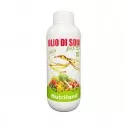
- White Vegetable Soybean Oil: This oil acts by contact, creating a film that suffocates mealybugs. It is also effective against aphids, red spider mite and other mites. The recommended dose is 30 ml per 10 liters of water, to be applied to fruit and ornamental trees, repeating the treatment every 10-15 days.
- 100% Vegetable Flax Oil BIO: Obtained by cold-pressing flaxseed, this oil has a repellent effect against mealybugs. It is used by diluting 30 ml of the product in 10 liters of water. It is allowed in organic farming.
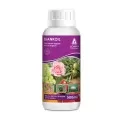
- Biankoil White Vegetable Oil: Based on soybean oil, it acts by asphyxiation against mealybugs, aphids and eggs of insect pests. You dilute 30 ml of the product in 10 liters of water, spraying evenly over the plant and repeating the operation after 7-15 days if necessary.
Advice for use:
- Application: Spray the solution on the infested parts, making sure to wet both the upper and lower surfaces of the leaves well.
- Timing: Carry out treatments during the cooler hours of the day, avoiding direct sun exposure immediately after application.
- Repeat: Monitor the plant and, if necessary, repeat the treatment according to the specific directions of each product.
In addition to using these products, it is essential to maintain good plant hygiene by manually removing visible mealybugs with a cotton ball soaked in a solution of water and alcohol. Ensuring proper ventilation and avoiding excess moisture will help prevent future infestations.
Aphids
Aphids can infest the jade tree (Crassula ovata), compromising its health. For effective and environmentally friendly control, it is advisable to use products allowed in organic farming and beneficial insects:
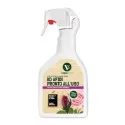
- KO Aphids RTU VerdeVivo: Ready-to-use product formulated to provide effective action against a wide range of aphids that infest ornamental, vegetable and fruit plants, both indoors and outdoors. It requires no mixing or complex preparations, making it easy and convenient to apply.
- Aphidalia Adalia bipunctata: Package containing 100 larvae of the ladybug Adalia bipunctata, an effective predator of all aphid species. The larvae and adults actively feed on aphids on the plant.
- CHRYSOPA Chrysoperla carnea: Available in packages of 1,000 or 10,000 larvae, this predatory neurotteran is effective against aphids, whitefly, thrips and eggs of nocturnal butterflies. The larvae attack the prey and suck its contents, contributing to biological control of aphids.
The use of predatory insects is an environmentally friendly and effective solution for aphid control, helping to maintain the natural balance in your home environment.
Powdery mildew
Powdery mildew, also known as white malady, is a fungal disease that can affect the jade tree (Crassula ovata), manifesting as a whitish patina on the leaves. To effectively treat this disease organically, it is advisable to use specific products registered for floral and ornamental plants. Several solutions are available at perfarelalbero.it:
- Zolvis 80 Sector WG: A wettable sulfur-based fungicide indicated for the control of powdery mildew on floral and ornamental plants. The recommended dose is 300 grams per 100 liters of water. It is recommended to repeat the treatment every 7-10 days, depending on weather conditions.
By following these directions, the jade tree will be able to recover and maintain healthy and vigorous growth.
Yellow or Falling Leaves
They indicatetoo much waterotoo little light. Adjust watering and move the plant to a brighter place.
FAQ (frequently asked questions) about the Jade Tree
1. Does the Jade Tree bloom at home?
- Yes, but it is rare. It usually blooms in winter, producing smallwhite or pink flowers, provided it has received sufficient light and been watered properly throughout the year.
2. Is it toxic to pets?
- Yes, the Jade Tree istoxic to dogs and cats. Keep the plant out of their reach to avoid accidental ingestion.
3. Can I grow a new Jade Tree from a leaf?
- Absolutely Just peel off ahealthy leaf, let it dry for a couple of days and then plant it in slightly moist soil.
4. How to promote thicker growth?
- Prune the upper branches to stimulate branching. This will promote more compact and lush growth.
5. What is the symbolism of the Jade Tree?
- It is often considered a symbol ofprosperityegood fortune. For this reason, it is a common gift during the holidays.
Share this content




 Chronology
 Citrus fruits
 Turf
 Stone fruit
 Olive tree
 Ornamental
 Vegetables
 Actinidia (Kiwi)
 Screw
 Hobbies and insights
 Pome Fruit


