
Your cart
There are no more items in your cart
How to grow Salvia
Categories :
, Chronology
Index
FAQs (Frequently Asked Questions) about growing sage
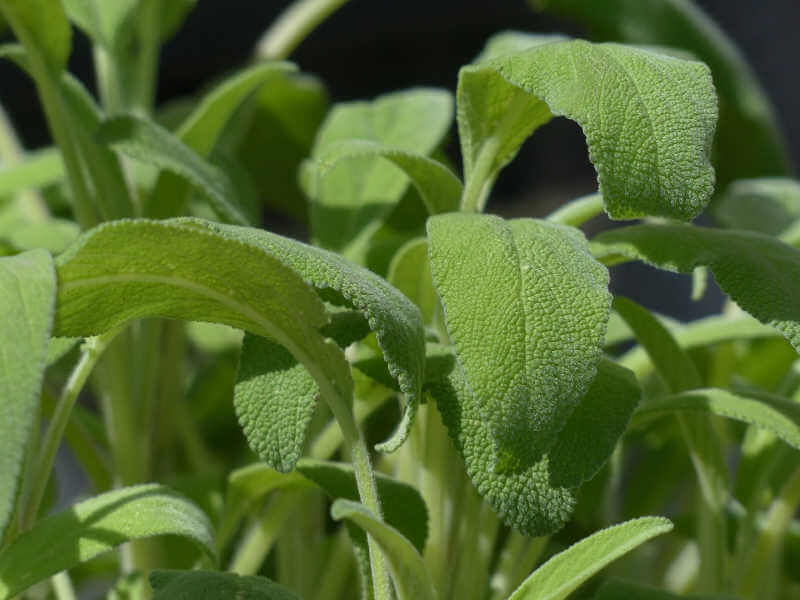
Sage is one of the most loved and used aromatic herbs in cooking and phytotherapy. Belonging to the Lamiaceae family, this perennial shrub is prized for its culinary and medicinal properties. Growing sage is not only a rewarding activity, but also an excellent choice for those who want to enrich their vegetable garden with a resistant and versatile plant.
In this guide, we'll look at the basic steps to growing salvia officinalis effectively, from choosing the soil to managing diseases.
Characteristics of sage
Botanical origin and description
Sage is native to Mediterranean areas and is characterized by its gray-green leaves, often slightly hairy, and its purplish flowers that bloom in late spring. There are several varieties of sage, including salvia officinalis, the most common, and clary sage, mainly used in perfumery and herbal medicine.
Benefits and uses
Sage leaves, thanks to their high content of essential oils, have antibacterial, anti-inflammatory and digestive properties. In cooking, sage is used to flavor meats, fish and vegetables.
Ideal soil and climate
Choice of terrain
Sage prefers well-drained soil, with a good sand or gravel content to avoid waterlogging. Slightly alkaline or neutral soil, with a pH between 6.0 and 7.5, is ideal for this plant.
Climate and exposure
Sage grows well in sunny areas, with mild temperatures. It resists both heat and cold, but fears prolonged freezing winters. In regions with harsh climates, it is advisable to grow it in pots to be able to shelter it during the winter.
How to grow sage
Sowing and transplanting
Sage can be grown from both seeds and cuttings. However, transplanting purchased seedlings or rooted cuttings ensures faster growth.
- Direct sowing: Carry out in spring, when temperatures exceed 15°C.
- Cuttings: Take a cutting from a healthy plant in spring or early summer, making sure it has at least 4-6 nodes. Plant in a sandy substrate and keep moist until rooting.
Irrigation
Sage does not require a lot of water. It is important to keep the soil slightly moist, but not soggy. During the summer months, slightly increase the frequency of watering, while avoiding stagnation.
Maintenance of sage
Pruning
Pruning is essential for keeping the plant vigorous and promoting new growth. Regularly trim older leaves and dry branches in spring.
Fertilization
Provide the sage with a light organic fertilizer or mature compost in early spring to support growth.
Would you like to receive our advice? Subscribe to our Newsletter - 8% discount now for you
|
Common conditions
Fungal diseases
Fungi are a major cause of disease in sage, especially in high humidity conditions.
Powdery mildew (Erysiphe spp.):
It manifests as a white, powdery mold on the surface of the leaves. It can cause wasting and loss of vigor. To treat powdery mildew on the sage plant, you can use products such as Armicarb Spray PFnPE, Zolvis 80 Sector WG and Wanax Fungicide. Armicarb Spray PFnPE, based on potassium bicarbonate, is an ideal natural treatment for eliminating fungal spores and blocking the spread of powdery mildew. It should be applied directly to infected leaves, ensuring a curative and preventive action. Zolvis 80 Sector WG, based on wettable sulphur, is particularly effective in curative treatments, thanks to its ability to interrupt the life cycle of the mushroom. Applied evenly, it penetrates the affected areas eliminating powdery mildew quickly. Finally, Wanax Fungicide acts systemically, protecting the plant from the inside and preventing new infections. For best results, it is advisable to alternate these products following the instructions on the label, so as to ensure complete protection, keeping the sage healthy and productive without harmful residues.
Downy mildew (Peronospora spp.):
It has yellowish spots on the upper part of the leaves and grayish or purplish mold on the underside.
Rust (Puccinia spp.):
It causes orange or brown pustules to appear on the underside of the leaves.
To effectively combat downy mildew and rust on sage, the Bordoram 20 WG PFnPE product is a reliable and sustainable solution. This copper hydroxide-based fungicide offers excellent preventive and curative action against fungal diseases, thanks to its ability to form a protective barrier on treated surfaces and inhibit the development of pathogens. For downy mildew, it is essential to intervene at the first symptoms or in climatic conditions favorable to the disease, distributing the product evenly over the plant. Against Rust, treatment with Bordoram helps to stop the formation of pustules and limit the spread of spores. Thanks to its formulation, Bordoram guarantees excellent adhesion to the leaves, even in the presence of humidity. This approach, in addition to protecting sage, respects the environment thanks to the biodegradability of copper, reducing the impact on soil biodiversity compared to synthetic chemical fungicides.
Root rot (Pythium spp., Phytophthora spp.):
It leads to plant dieback due to root deterioration in soils that are too wet or poorly drained. To combat root rot on sage naturally and effectively, the use of Micosat F UNO Mini Granular is an excellent choice. This product, based on mycorrhizae and antagonist fungi, promotes the development of beneficial microflora around the roots, strengthening the plant and reducing the impact of pathogens such as Pythium and Phytophthora. Mycorrhizae create a symbiosis with the plant, improving water and nutrient uptake and increasing resistance to biotic and abiotic stresses. In contrast to plant protection products, which can leave behind chemical residues and alter the natural balance of the soil, the use of mycorrhizae such as those contained in Micosat F Hobbi contributes to more sustainable agriculture. This organic approach respects the environment, reduces soil depletion and preserves biodiversity, making it an ideal solution for those who want to take care of their sage in harmony with nature.
Bacterial pathologies
Bacterial infections are less common but can cause significant damage.
Bacterial spotting (Pseudomonas spp.):
It causes small watery spots on the leaves, which can enlarge and become necrotic.
Bacterial cancer:
It manifests itself with dark lesions and cancers on the stem or base of the plant, leading to collapse.
The prevention of bacterial spotting and bacterial cancer on sage can be done effectively by using Blindax and Kyprion, two complementary products available on perfarelalbero.it. Blindax, a resistance inducer based on plant extracts and trace elements, stimulates the plant's natural defenses, strengthening plant tissues against bacterial attacks. This product helps sage develop a protective barrier that reduces the risk of infection. Kyprion, a foliar fertilizer based on complexed copper, offers a preventive action against pathogenic bacteria, limiting their proliferation without harming the plant. Applied together, these products create an ideal preventive strategy: Blindax to boost the plant's immune system and Kyprion to block the penetration of bacteria. This approach, in addition to protecting sage, is environmentally friendly thanks to the use of safe and easily degradable formulations.
Pests and insects
Several insects can attack sage, directly damaging it or acting as vectors for other diseases.
Aphids (Aphididae):
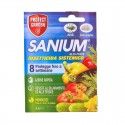
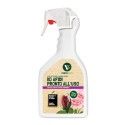
They feed on the linfa of the plant, causing leaf deformations and leaving honeydew residues that promote the formation of sooty mold. To combat aphids on sage effectively, you can use the products : Sanium and KO Aphids. Sanium, based on flupyradifurone, is a systemic insecticide that protects plants from the inside, acting quickly on aphids even in the presence of large colonies. Applied by foliar application, Sanium ensures a long persistence, eliminating insects without damaging the plant. Alternatively, KO Aphids, a product of natural origin, uses plant extracts to target aphids by contact, rapidly reducing their population. It is ideal for more environmentally friendly treatments, especially if you want to harvest sage leaves in a short time. The combined use of these two products can offer a complete solution: Sanium for systemic action and KO Aphids for immediate intervention, always respecting the doses and deficiency times indicated to ensure the safety of the crop and the environment.
Whitefly (Bemisia tabaci):
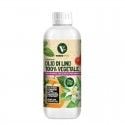
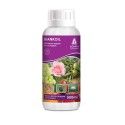
It sucks the linfa and weakens the plant, leaving honeydew. To combat whitefly on sage naturally and effectively, linseed oil and Biankoil, both available on perfarelalbero.it, can be used. Linseed oil, thanks to its film-forming properties, suffocates the larvae and eggs of the whitefly, interrupting the life cycle of the parasite. It is ideal for preventive treatments or in the early stages of infestation. Biankoil, a white mineral oil, acts by contact eliminating both adult insects and juvenile stages, without leaving harmful residues on the plants. The combined application of these two products offers complete protection, reducing the whitefly population in a sustainable way. Both are safe for the environment and respect the health of the plant, representing an excellent alternative to chemical pesticides, especially on aromatic plants such as sage.
Thrips (Frankliniella occidentalis):
They cause damage to leaf tissues with their feeding, which leads to silvery or necrotic spots. To combat thrips on sage in a natural way, Frankyl L.E.A. is an effective and sustainable solution. This product, based on plant extracts and organic components, is not a direct insecticide but acts indirectly, enhancing the health of the plant and making it less susceptible to thrips attacks. Frankyl L.E.A. stimulates metabolism and strengthens plant tissues, making the environment less favorable for the establishment and proliferation of these insects. It can be applied regularly to prevent thrips damage and keep sage leaves in top condition. This organic approach is ideal for those who want to protect their crops while respecting the environment and without the use of chemical pesticides.
Bedbugs (Nezara spp., Lygus spp.):
They can sting leaves and stems, causing warping and spotting.
Leaf Miners:
They create visible galleries inside the leaves.
To combat sage bugs and leaf miners quickly and effectively, the Ready-to-Use Koracid is a practical and targeted solution. This insecticide, already diluted and ready for application, acts by contact quickly eliminating adult bugs, their nymphs. It also eliminates the larvae of miners who dig tunnels inside the leaves, causing discoloration and aesthetic damage that compromises the health of the plant. Applied directly to infested plants, Koracid provides immediate protection and reduces the risk of damage to the leaves, which may have necrotic spots or deformations caused by the bites of these insects. Thanks to its specific formulation, it is safe for use on aromatic plants such as sage, as long as the deficiency times indicated on the label are respected. This product is an effective solution for keeping sage healthy, while minimizing environmental impact due to its ease of application and targeted formulation.
Noctuates (Spodoptera spp., Helicoverpa spp.):
The larvae feed on the leaves, often causing significant damage. To combat noctuas (Spodoptera spp., Helicoverpa spp.) on sage in a safe and environmentally friendly way, the product Lepinox PFNPE, is an ideal solution. Based on Bacillus thuringiensis subsp. kurstaki, a natural bacterium, Lepinox acts exclusively on the larvae of noctuae, interrupting their feeding and causing their death in the days following ingestion. This treatment is highly selective, targeting only harmful lepidopteran moths without harming beneficial insects or the environment. For best results, it is recommended to apply Lepinox in the early stages of infestation, when the larvae are still young, ensuring even coverage of the plant. This organic approach protects sage effectively, keeping it healthy and free of chemical residues, perfect for those growing in harmony with nature.
Abiotic (non-pathogenic) factors
These are not caused by living organisms but can mimic diseases:
Leaf chlorosis:
Often due to nutrient deficiencies (e.g. iron or nitrogen) or inadequate soil pH. To prevent and treat leaf chlorosis on sage, Sequestrene NK 138 Fe is a valuable ally. This condition, characterized by yellowing of the leaves due to iron deficiency, often occurs in soils with a high pH or poorly drained, which limit iron absorption. Sequestrene NK 138 Fe is a highly soluble and bioavailable EDDHA iron chelate, which acts quickly, restoring the deep green of the leaves and enhancing photosynthesis. It is applied by dissolving it in water and distributing it directly to the soil, near the root system, to ensure optimal absorption. By using it regularly, not only does it prevent the appearance of chlorosis, but it also strengthens the plant, making it more vigorous and resistant. This approach not only treats the symptom, but acts at the root of the problem, promoting healthy and lush growth of sage.
Sunburn:
Leaves that become dry or discolored due to excessive exposure to the sun. To prevent and treat sunburn on sage, it is essential to adopt growing practices that protect the leaves from damage caused by prolonged exposure to the sun, especially during periods of intense heat. Sunburn, which manifests itself as dry, discolored spots on the leaves, can be prevented by improving shading, such as using shade nets during the hottest hours or planting sage in strategic locations with filtered light. It is also useful to maintain regular watering to avoid water stress, thus favoring the plant's ability to withstand high temperatures. For the treatment, protective products based on kaolin or reflective plant extracts can be applied, which create a natural barrier against the sun's rays. This approach not only prevents sunburn, but improves the overall health of the plant, promoting healthy and even growth.
Water stress:
Too much or too little water can cause deterioration. To avoid water stress on the sage plant, the product Rinaffio Riserva d'Acqua Verdevivo, available on perfarelalbero.it, is a practical and effective solution. This innovative system makes it possible to guarantee constant and calibrated irrigation, keeping the soil moist even during periods of scarce water availability or absence of regular watering. Ideal for cultivation in pots or in the ground, the product gradually releases water to the roots, preventing both drought and waterlogging, conditions that can compromise the health of the sage. Thanks to the use of Water Reserve Watering, the plant maintains an optimal water balance, reducing the risk of wilting and improving resistance to environmental stresses, thus promoting healthy and lush growth.
FAQs (Frequently Asked Questions) about growing sage
When is the best time to plant sage?
- The best time is spring, when the risk of frost is over.
Can sage grow in pots?
- Yes, sage is well suited to growing in pots, as long as the container has good drainage.
How long does a sage plant live?
- Under ideal conditions, sage can live and produce for 5 to 6 years.
Is it possible to grow sage at home?
- Yes, sage can be grown indoors, as long as it is placed in a very bright place.
How do you store harvested sage?
- The leaves can be dried or frozen to maintain their aroma.
Share this content






 Chronology
 Citrus fruits
 Turf
 Stone fruit
 Olive tree
 Ornamental
 Vegetables
 Actinidia (Kiwi)
 Screw
 Hobbies and insights
 Pome Fruit


