
Your cart
There are no more items in your cart
Characteristics and tips about Zamioculcas Zamiifolia
Categories :
Chronology
, Ornamental
Index
Main characteristics of Zamioculcas Zamiifolia
Tips for caring for Zamioculcas
Biological Strategies for the Control of Red Spider Mites
Frequently asked questions about Zamioculcas Zamiifolia
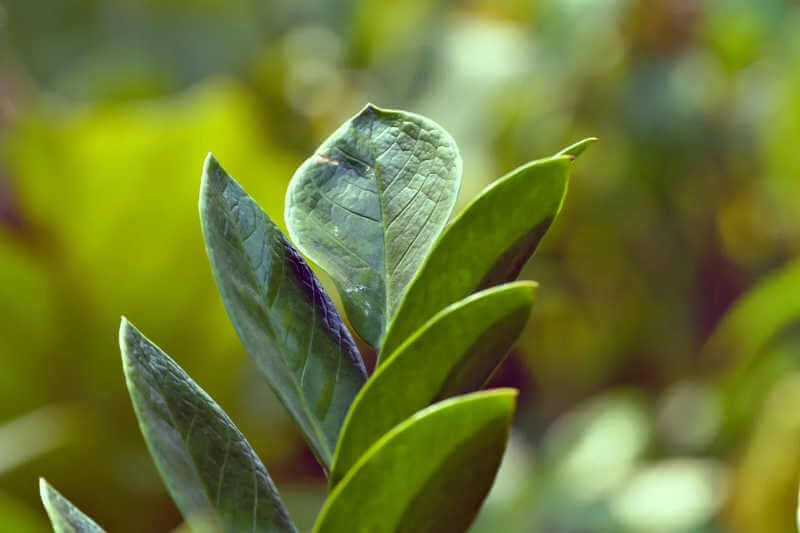
Zamioculcas Zamiifolia, commonly known as the ZZ plant or money plant, is one of the most beloved indoor plants for its ease of maintenance and elegant appearance. Native to East Africa, this plant stands out for its fleshy, deep green and shiny leaves, making it a perfect decorative addition to any room.
Main Characteristics of Zamioculcas Zamiifolia
Appearance and growth
- Leaves: Zamioculcas is characterized by pinnate, glossy leaves, which grow on fleshy stems.
- Roots and rhizomes: Tuberous roots allow the plant to store water, making it drought-tolerant.
- Size: In ideal conditions, it can reach 60-90 cm in height.
- Longevity: It is a long-lived plant, suitable for those who want a long-lasting and easy-to-care green solution.
Strength and adaptability
Zamioculcas is known for its extreme hardiness:
- Tolerant to low light.
- It holds up well in environments with low humidity.
- It can survive on low water thanks to its fleshy rhizomes.
Tips for the Care of Zamioculcas
1. Exposure and lighting
- Ideal: Place it in a place with bright indirect light.
- Tolerance: It can also live in shady areas, although growth is slower.
- Avoid direct sun: This can cause sunburn on the leaves.
2. Watering
- Moderate: Allow the soil to dry out between waterings.
- Overwatering: Beware of waterlogging, which can lead to root rot. Use a humidity sensor to adjust the right watering
- In winter: Reduce the frequency of watering.
3. Terrain
- Use well-draining soil, such as a succulent and cacti mix.
- Add sand or perlite to improve drainage.
4. Fertilization
- Liquid Fertilizer: Administer a liquid green plant fertilizer every two weeks during the growing season (spring-summer).
- Avoid excess: Too much fertilizer can cause harmful salt buildup.
5. Transplant
- When to transplant: Every 2-3 years, when the roots begin to occupy the entire pot.
- Best time: Spring or early summer.
Common Problems and Solutions
1. Yellowing of the leaves
- Causes: Overwatering or exposure to direct light.
- Solution: Reduce watering and move the plant to an area with indirect light.
2. Drooping or soft leaves
- Causes: Soil too dry or root rot.
- Solution: Adjust the irrigation and test the drainage system.
3. Slow growth
- Causes: Lack of light or nutrients.
- Solution: Move the plant to a brighter location and fertilize during the growing season.
Would you like to receive our advice? Subscribe to our Newsletter - 8% discount now for you
|
Biological Strategies for the Control of Red Spider Mites
The red spider mite is a common pest of houseplants, and Zamioculcas zamiifolia can also be affected by this infestation. Here is a simple and in-depth guide on how to prevent and combat spider mites using beneficial insects and biological strategies.
How to Recognize the Red Spider Mite on Zamioculcas zamiifolia
The spider mite is a very small mite, red or orange in color, which often hides on the underside of the leaves. Its presence can cause:
Yellowing of the leaves
- Small yellow or white spots
- Depressions on the leaves due to their sucking activity
- Untreated damage can lead to the overall weakening of the plant.
Useful Insects for Red Spider Mite Control
Introduction of Natural Predators
Beneficial insects are an ecological and natural way to combat spider mites without resorting to chemical pesticides. Among the most effective are:
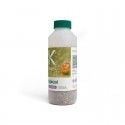
1. Phytoseiulus persimilis : Spidex Vital KOPPERT
Phytoseiulus persimilis is a predatory mite that feeds on spider mites. It can be easily introduced into indoor plants and works very well in humid environments, as it needs a humidity rate of around 60% to survive and reproduce. This predator spreads quickly and attacks the red spider mite in all its stages of development.
2. Amblyseius californicus : Spical KOPPERT
Amblyseius californicus is another predator that feeds on the red spider mite. It is ideal for indoor environments, such as those in which Zamioculcas zamiifolia is found, because it can withstand more variable environmental conditions. This predator is effective even at low spider mites populations and can prevent further infestations.
Biological Strategies to Prevent Infestation
Maintain a Humid Environment
The spider mite prefers dry and warm environments. Maintaining a humidity level around 50-60% can reduce the chance of infestations. You can use a humidifier or spray water on the leaves of the plant regularly to maintain an adequate humidity level.
Clean Your Leaves Regularly
A simple but effective prevention strategy is regular cleaning of the leaves of your Zamioculcas zamiifolia. Use a damp cloth to remove dust and any spider mites present. Manual removal prevents the parasite from establishing and proliferating.
Organic Treatments to Combat Red Spider Mites
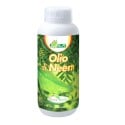
Neem Oil
Neem oil is a natural and environmentally friendly treatment for the control of spider mites. It is an organic insecticide that interferes with the life cycle of pests without harming the plant. Here's how to apply it:
Dilute a few drops of neem oil in water
Spray the solution directly onto the leaves of Zamioculcas zamiifolia, especially on the underside.
Repeat the application once a week until the infestation subsides.
Insecticidal Soap
Another natural method is the use of insecticidal soap, which targets the pest without harming the plant. Dilute the soap with water according to the instructions of the product and spray it on the infested leaves. This treatment does not kill natural predators, so it can be used in combination with beneficial insects.
Long-term prevention
Regular monitoring
Check your Zamioculcas zamiifolia periodically for signs of infestation. Rapid identification of symptoms allows you to intervene promptly and prevent the problem from worsening.
Avoid Excess Heat
The spider mite is attracted to very hot environments. Avoid placing Zamioculcas near heat sources or in particularly dry rooms during the winter, to reduce the conditions favorable to the parasite.
By following these organic strategies and introducing beneficial insects, you can protect your Zamioculcas zamiifolia from spider mites in a natural and eco-friendly way. A combination of prevention and specific treatments will ensure the health of the plant, keeping it free of pests without the use of chemical pesticides.
Frequently Asked Questions about Zamioculcas Zamiifolia
1. Is Zamioculcas toxic to pets?
- Yes, all parts of the plant are toxic when ingested by animals or humans. It is therefore advisable to keep it out of the reach of dogs, cats and children.
2. How long does Zamioculcas grow?
- In ideal conditions, it can reach 60-90 cm in height, but growth is slow.
3. Can I propagate Zamioculcas?
- Yes, it is possible to propagate the plant via leaf cuttings or rhizome division. Both methods require patience, as the roots take several months to develop.
4. Can Zamioculcas be kept outside?
- Only in summer, if temperatures are above 15°C and there is no direct exposure to the sun. It does not tolerate cold.
5. What is the secret to keeping leaves shiny?
- You can wipe the leaves with a damp cloth to remove dust and keep them shiny.
Share this content


 Chronology
 Citrus fruits
 Turf
 Stone fruit
 Olive tree
 Ornamental
 Vegetables
 Actinidia (Kiwi)
 Screw
 Hobbies and insights
 Pome Fruit


