
Your cart
There are no more items in your cart
Growing and Caring for Thyme: A Complete Guide
Categories :
, Chronology
Index
Characteristics and varieties of Thyme
FAQ (frequently asked questions) about Thyme
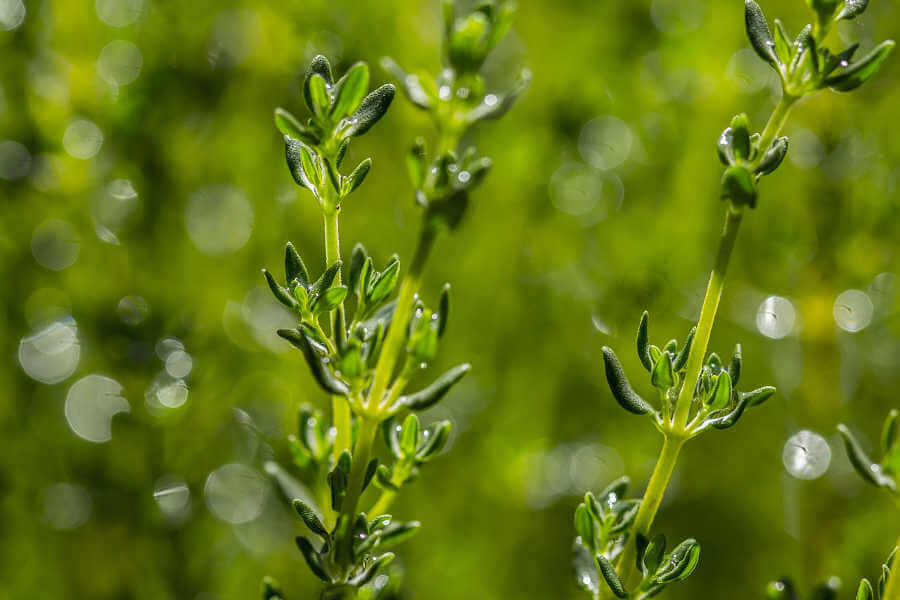
Thyme(Thymus vulgaris), an aromatic plant native to the Mediterranean region, is an indispensable element in any home garden. Known for its intense fragrance and medicinal properties, thyme is an easy-to-grow and hardy perennial plant suitable for both the garden and the pot. In this guide, we will explore all the steps necessary to grow and care for thyme, maximizing yield and ensuring a healthy, lush plant.
Characteristics and Varieties of Thyme
Thyme belongs to the Lamiaceae family and includes several varieties. The most common ones include:
- Common Thyme (Thymus vulgaris): used in cooking and for herbal teas.
- Lemon thy me (Thymus x citriodorus): characterized by a citrus aroma.
- Thyme serpyllum (Thymus serpyllum): ideal as a groundcover in the garden.
This plant is distinguished by its small, aromatic leaves and flowers, which vary from white to lilac. It grows well in temperate climates and in poor, well-drained soils, making it also perfect for rock gardens.
How to Grow Thyme
1. Soil Selection
The ideal soil for thyme should be:
- Well drained: avoid waterlogging, which can cause root rot.
- Poor or moderately fertile: soil that is too rich reduces the aroma of the leaves.
- Alkaline or neutral: optimum pH is between 6.5 and 7.5.
You can improve drainage by adding sand or gravel to the soil.
2. Solar Exposure
Thyme loves the sun. To get strong, aromatic plants, choose a position in full sun. If grown in pots, place the container in a bright area out of the wind.
3. Sowing and Planting
- From seed: sow seeds in spring, in containers or directly in the ground, keeping the soil slightly moist until germination.
- From cuttings: take semi-woody cuttings in summer and plant them in a sandy substrate.
- Transplanting: buy already developed seedlings and transfer them to the garden or pots, keeping a distance of about 30 cm between plants.
Thyme Care
1. Watering
Thyme tolerates drought well, so:
- Water moderately, letting the soil dry out between waterings.
- Avoid excess water, which is the plant's main enemy.
2. Fertilization
As a hardy plant, thyme does not need excessive fertilization:
- Apply mature compost or manure once a year, preferably in spring.
- Avoid nitrogen fertilizers, which promote leaf growth but reduce aroma.
3. Pruning
Pruning is essential to keep the plant compact:
- After flowering, prune branches to stimulate new shoots.
- Remove wilted flowers regularly to prolong leaf production.
4. Winter protection
In cold climates, protect thyme with a light mulch or move it to a cold greenhouse.
Although it is hardy, a very harsh winter can damage the roots.
Want to receive our tips? Sign up for our newsletter - 8% off right away for you
|
Pathologies and Pests of Thyme
Thyme is generally a hardy plant, but it can be susceptible to several diseases and pest infestations. Here are the main issues and solutions available at perfarelalbero.com to keep your plants healthy. Common fungal diseases1. Root rot Caused by fungi such as Phytophthora or Pythium, root rot manifests as yellowing of leaves, stunted growth and blackened, soft roots. Recommended solutions:
2. Gray mold (Botrytis cinerea) Gray mold, caused by the fungus Botrytis cinerea, is a disease that can affect even a hardy, hardy plant such as thyme, especially under conditions of high humidity or waterlogging. Initial symptoms manifest as brown or grayish spots on the leaves and stems, which often go unnoticed. Over time, a grayish, dust-like patina develops, enveloping the affected parts, making them brittle and prone to rot. The affected plant begins to lose leaves, appears weak and, in severe cases, may dry up completely. This fungus spreads easily, so it is important to act promptly. Remedies with Armicarb PFnPE Spray To effectively combat gray mold on thyme, the product Armicarb Spray PFnPE is an ideal solution. This natural fungicide based on potassium bicarbonate acts quickly, stopping the development of the fungus and preventing further infection. To apply, dilute the product following the doses indicated on the label and spray it evenly over the plant, concentrating on visibly affected areas. Repeat the treatment every 7 to 10 days, especially during periods of high humidity or frequent rainfall. It is essential to remove severely infected parts and make sure the soil is well draining, avoiding waterlogging. To improve ventilation, prune thyme by removing branches that are too dense. Thanks to Armicarb Spray PFnPE, your thyme will be able to recover quickly, returning healthy and productive, ready to give you its unmistakable aroma. Main pests1. Aphids These small insects suck the linfa of plants, causing deformities and general weakening. Symptoms of the Presence of Aphids on ThymeAphids, small green, black or brown insects, can also become a problem for thyme, a generally hardy plant. These pests settle on the more tender parts, such as young shoots and the back of leaves, feeding on linfa and slowing the plant's growth. The symptoms are quite obvious: leaves may crumple, yellow or appear sticky due to honeydew, a sugary substance produced by the aphids that also promotes the development of fumigation, a dark mold that coats surfaces. In severe cases, the shoots may become deformed or dry out, compromising the health and productivity of the thyme.
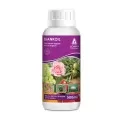
Remedies with BiankoilTo combat aphids on thyme naturally and effectively, the product Biankoil, based on vegetable oil, is the ideal choice. This treatment forms a protective film that smothers the pests without harming the plant or the environment. To use it, dilute the product according to the label directions and spray it directly on the plant, covering both leaves and young shoots. Repeat the treatment every 7 to 10 days until the aphids are completely eliminated. It is important to apply it during cool hours of the day, avoiding full sunlight, so as not to further stress the thyme. Also, be sure to maintain a good water balance and encourage optimal ventilation to prevent new infestations. With Biankoil, your thyme will come back lush, healthy and ready to be harvested without worry! 2. Mites They proliferate in dry weather conditions, causing punctiform yellowing on leaves. How to fight Mites on ThymeMites, like the pesky red spider mite, can be a serious problem for thyme, especially in hot, dry weather. These microscopic pests settle on the back of leaves, feeding on linfa and causing damage that often goes unnoticed in the early stages. Symptoms include punctiform yellowing on the leaves, which can then dry up and fall off, as well as the appearance of thin webs between the branches. Over time, the plant may visibly weaken, losing its vigor and compromising the crop.
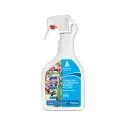
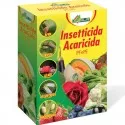
To eliminate mites and protect your thyme, you can use two natural and effective products: Nettle Vebi o Ciopper PFnPE insecticide acaricide. Nettle Vebi , made from nettle extract, acts as a natural repellent, strengthening the plant and making it less attractive to pests. Diluting the product according to the instructions and spraying it all over the plant, insisting on the back of the leaves, helps contain the infestation. Repeat the treatment every 7 to 10 days, especially during critical periods. Alternatively, Ciopper PFnPE insecticide acaricide, copper-based, is particularly good if the plant is already showing signs of weakening. Again, dilute the product and spray thoroughly, always during the cooler hours of the day.
Both treatments are environmentally friendly and safe for a plant like thyme, often used in cooking. With patience and perseverance, your thyme will return lush and healthy, ready to give you its unmistakable aroma. Prevention tips
With these precautions and the use of the right products, available at perfarelalbero.it, your thyme will grow healthy and lush, ready to offer you the ultimate in aromatics. |

FAQ (Frequently Asked Questions) about Thyme
1. How long does a thyme plant live?
Under ideal conditions, thyme can live up to 5 years. It is advisable to renew plants periodically to keep them productive.
2. Can I grow thyme in pots?
Yes, thyme is well adapted to growing in pots. Use a container with drainage holes and a light substrate.
3. When to harvest thyme?
Thyme is best harvested before flowering, when the essential oil content is at its highest.
4. How to store thyme?
You can store thyme:
- Dried: hang the branches in a dark, dry place.
- Frozen: chop the leaves and store them in food bags.
5. Does thyme attract beneficial insects?
Yes, thyme flowers attract bees and other pollinators, contributing to garden biodiversity.
Share this content




 Chronology
 Citrus fruits
 Turf
 Stone fruit
 Olive tree
 Ornamental
 Vegetables
 Actinidia (Kiwi)
 Screw
 Hobbies and insights
 Pome Fruit


