
Your cart
There are no more items in your cart
Eggplant cultivation techniques
Categories :
Chronology
, Vegetables
Index
Climate requirements and soil preparation
FAQ (Frequently Asked Questions) about Eggplant Cultivation
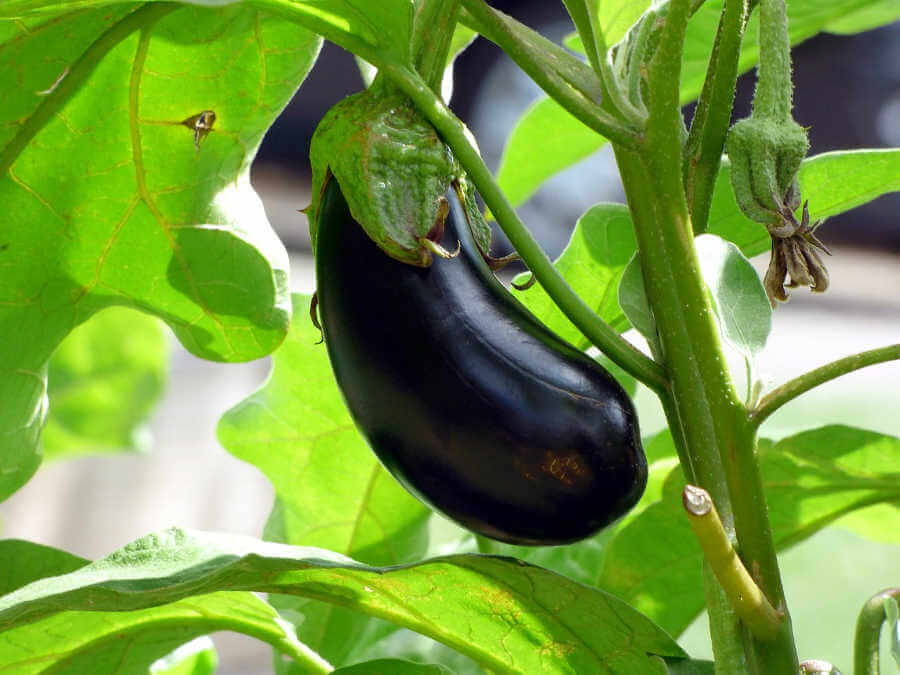
Eggplant (Solanum melongena) is one of the most cultivated and popular vegetables in temperate and tropical climates, due to its culinary versatility and nutritional benefits. Native to Asia, this plant belongs to the Solanaceae family and has spread rapidly around the world. Eggplants require special conditions for optimal growth, which makes growing them a challenge, but at the same time a rewarding practice for farmers.
Climate requirements and soil preparation
Eggplant is a heat-loving plant, which means it thrives in climates with temperatures between 20°C and 30°C. Temperatures below 15°C can negatively affect the growth of the plant, slowing down its development and reducing the quality of the fruit. It is important that the soil is well prepared, preferably loose, fertile and well-drained, with a slightly acidic or neutral pH, between 6.0 and 7.0.
It is advisable for professionals to carry out a soil analysis before proceeding with sowing or transplanting, to determine its fertility and make any corrections. Tillage should include deep ploughing and crushing of clods, followed by good incorporation of organic fertilizer. The eggplant requires abundant organic matter to ensure good water retention capacity and slow release of nutrients.
Nutritional requirements
The eggplant is a demanding plant in terms of nutrients. Proper fertilization is essential for achieving a good yield. It is advisable to apply a base fertilizer based on nitrogen (N), phosphorus (P) and potassium (K), such as: Vigor Top 60 NPK fertilizer 10.6.14 organo-mineral + Boron + Iron + Zinc.
During the growth cycle, foliar fertilization can be carried out to supplement it with fertilizers and biostimulants rich in nutrients and elements capable of leading the plant to defend itself.
Would you like to receive our advice? Subscribe to our Newsletter - 8% discount now for you
|
Eggplant intervention program
Below is a schedule based on the phenological phases:
Fertigation: just after transplanting, we recommend fertigation by mixing these two biostimulant fertilizers capable of promoting new emissions of root hair and in addition improving the resistance of the crop (repeat the intervention after a week)
In this period when the plant is tender, you must pay close attention to attacks by larvae, miners or snails, so we recommend using a water-resistant snail repellent Metacinque or Ferrex allowed in organic farming.
By foliar application, on the other hand, it will be advisable to intervene against lepidoptera, it is always advisable to try to be sudden at this stage:
- Control Dmp = 50 ml/hl
- Xentari = 150 gr / hl (or Turi L without license)
- Megafol = 150 ml/hl
The importance of good irrigation management should not be underestimated. The eggplant, in fact, is sensitive to water shortages, which can cause flower abortions and a smaller size of the fruit. Drip irrigation is the most efficient method, as it allows water to be supplied constantly and directly to the root zone.
To prevent and improve the resistance of the plant and the floral system, you can try to fortify the plant with foliar interventions using calcium and silicon-based products in the pre-flowering phase with these interventions at a distance of 7/10 days:
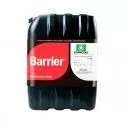
- Barrier Si/Ca = 250 ml/hl,
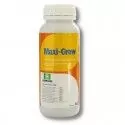
- Maxi grow = 150 ml/hl.
After a few days, a further foliar intervention can be set up to induce the plant to flower:
- Fury = 400 gr/hl
- Equilibrium = 200 gr/hl
Cultivation techniques
The eggplant can be grown both from seed and from seedlings ready for transplanting. The choice of method depends on the climatic conditions and the preferences of the farmer.
Sowing and transplanting
Direct sowing in the open field is little used due to the long germination times and the thermal needs of the plant. Most commonly, it is preferred to germinate seeds in a seedbed, where you can better control the temperature and humidity. Eggplant seeds germinate best at temperatures around 25°C, and the average germination time is around 10-14 days.
When the seedlings reach 10-15 cm in height and have developed 3-4 true leaves, they can be transplanted into the open field, maintaining a distance of 60-70 cm between the plants and 90-100 cm between the rows. This spacing allows for adequate hair development and good light passage, which is essential to prevent fungal diseases.
Pruning and canopy management
Pruning is a common practice in eggplant cultivation and serves to improve the quality of the fruit, as well as prevent diseases. In particular, side shoots and excess leaves are removed to promote air circulation. The plant is generally left with 2-3 main branches, while the axillary shoots are removed. This technique, called shooting, helps to concentrate the plant's energy in the production of the main fruits.
Most common pathologies
The eggplant is prone to several diseases and pests, which can seriously compromise production.
Fungal diseases
The most common fungal diseases are caused by pathogens such as Verticillium dahliae, which causes plants to wilt, and Fusarium oxysporum, which is responsible for root rot. These diseases affect the roots and lymphatic vessels, preventing the plant from absorbing water and nutrients.
To prevent the onset of these diseases, it is essential to adopt a correct crop rotation and ensure good soil drainage. In addition, the use of systemic fungicides can help contain the spread of pathogens.
Pests
Among the most common pests that attack the eggplant are aphids , whitefly and red spider mite, which feed on the linfa of the plant, progressively weakening it. The control of these pests can be carried out both with chemical insecticides and with integrated pest management techniques , such as the introduction of natural predatory insects (e.g. ladybugs and predatory mites).
Root nematode (Meloidogyne spp.) is also a common pest in eggplant crops, which can cause root knots and slowed growth. In these cases, the use of biofumigation and the practice of soil solarization can be very effective.
How to manage eggplant pests
Full Guide & Recommended Products
The cultivation of eggplant can be affected by several pests, including aphids, whitefly, red spider mites as well as fungal pathologies and root nematodes, which damage the plant and reduce the quality and quantity of the crop. Here is a detailed guide on the main pests and recommended treatments, including the most effective products.
Common eggplant pests and recommended treatments
Parasites on eggplants Aphids, whiteflies, and spider mites are among the most frequent pests in eggplants, and attack the leaves, causing yellowing, deformation and slowed growth. It should be remembered that some of these are also fearsome vectors for viruses that would lead to serious problems on the vitality of the plant.
Chemical treatment:
- Inex-A = 30 ml
- Control Dmp = 50 ml
- Epik SL = 200 ml (or Probel = 150 ml in the case of spider mites)
- Nettle = 100 ml
Organic option:
- Velifer = 150 ml / hl (biological insecticide based on Beauveria bassiana, penetrates the body of the whitefly and reduces the population of the parasite in an environmentally friendly way.)
Prevention: Use yellow chromotropic traps to attract and capture whiteflies, monitoring the infestation.
Root nematode (Meloidogyne spp.) The root nematode is an invisible but very harmful pest, as it causes knots on the roots and hinders the growth of the eggplant.
- Biofumigation and solarization: Before planting, consider biofumigating the soil with Brassica juncea (mustard to be buried), followed by solarization using plastic sheets for 4-6 weeks, to reduce nematode populations naturally.
Frequently Asked Questions (FAQs) on Protecting Eggplants from Pests
What are the most common pests in eggplants?
- Common pests include aphids, whitefly, spider mite, and root nematodes.
Can I only use organic treatments on eggplants?
- Yes, you can opt for organic products such as Neemik 15 EC, Velifer and Capsanem to protect your eggplant in an environmentally friendly way.
When is the best time to treat eggplant?
- It is advisable to carry out treatments at the first sign of infestation and use traps to monitor the presence of parasites such as whitefly.
How can I prevent spider mites infestation?
- Maintain adequate humidity around the plants and, if possible, use predatory mites such as Spidex for biological control.
Why choose integrated treatments for eggplants?
- Integrated eggplant protection reduces the use of chemical insecticides and promotes the use of biological solutions and natural control methods, reducing environmental impact. With the use of the right products and the implementation of preventative techniques, you can keep your eggplant plants healthy and productive.
FAQ (Frequently Asked Questions) about Eggplant Cultivation
When is the best time to plant eggplants?
- The best time to plant eggplants varies depending on the climate, but in general, it is recommended to transplant seedlings when nighttime temperatures do not drop below 15°C. In temperate regions, this typically corresponds to late spring or early summer.
How long does it take for eggplants to grow?
- The growth cycle of the eggplant, from transplanting to harvest, lasts an average of 70-90 days, depending on the climatic conditions and the varieties grown.
How can I prevent diseases in eggplant plants ?
- To prevent disease, it is essential to maintain good soil drainage, avoid overwatering , and adopt crop rotation. The use of plant protection products and biostimulants can strengthen the natural defenses of plants.
What are the most suitable varieties for the Italian climate?
- The varieties of eggplant best suited to the Italian climate include the Palermo Long Violet, the Black Round Eggplant , and the White Eggplant. These varieties adapt well to Italian soils and Mediterranean climatic conditions.
How are eggplants harvested?
- Eggplants should be harvested when they reach a suitable size, but before the skin becomes dull and hard. Typically, the fruits are ready for harvest 2-3 months after transplanting.
Share this content
















 Chronology
 Citrus fruits
 Turf
 Stone fruit
 Olive tree
 Ornamental
 Vegetables
 Actinidia (Kiwi)
 Screw
 Hobbies and insights
 Pome Fruit


