
Your cart
There are no more items in your cart
How to Harvest Olives: Complete Guide
Categories :
Chronology
, Olive tree
Index
The Olive Harvest: When and Why to Do It
Common Diseases That Affect Harvesting
Frequently Asked Questions about Olive Harvesting
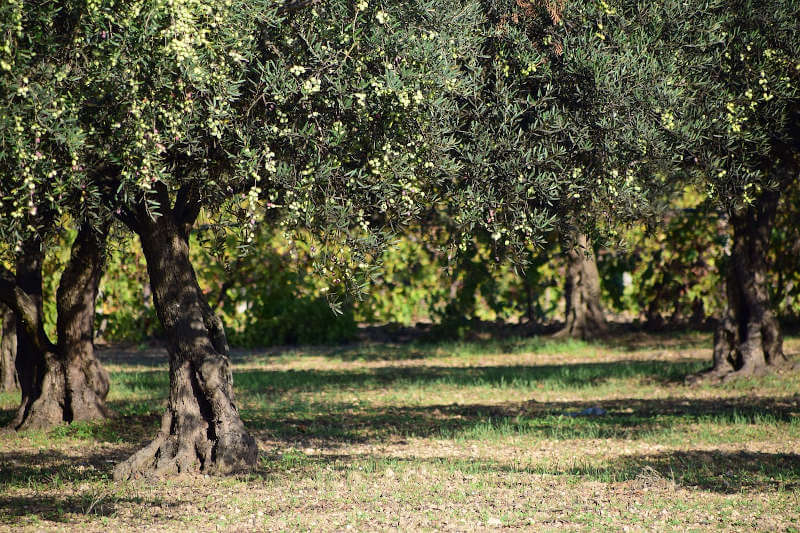
The olive harvest is a fundamental step in obtaining a high quality oil. Harvesting the olives at the right time, applying appropriate techniques, allows you to best preserve the organoleptic characteristics of the final product. There are various harvesting methods, ranging from manual to mechanized harvesting, and each has specific advantages. Let's see in detail how to perform an optimal collection, which tools to use and how to distinguish the different methods.
The Olive Harvest: When and Why to Do It
The olive harvest depends on various factors:
- Olive varieties: There are olives for oil and table olives, which require different harvesting times.
- Climate and ripeness: The olives should be harvested when they have reached the optimal degree of ripeness, which depends on both the variety and the climate of the growing region.
- Product destination: For olives intended for oil production, harvesting usually takes place when the color of the drupes changes from green to purple, indicating good ripeness.
Optimal Harvest Time
In general, the olive harvest takes place between October and December, but the period can vary depending on the climatic conditions and the variety. The choice of harvest time affects the acidity and aromas of the oil: green olives produce a fruitier and spicier oil, while ripe olives give a sweeter and softer oil.
Olive Harvesting Methods
There are several methods of harvesting olives, each with its own unique characteristics. The main ones are:
1. Manual harvesting
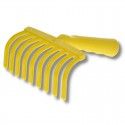
Traditional method that allows olives to be harvested without damaging the fruit or plant. It consists of manually harvesting the olives directly from the branches, often with the help of combs and nets.
- Advantages: Maximum respect for the plant and the olives; ideal for small olive groves.
- Disadvantages: Requires a lot of time and labor; more expensive than other methods.
Manual Harvesting Techniques
- Picking: Harvest the olives one by one by hand, preserving their integrity as much as possible.
- Combing: Use of rakes to make the olives fall on the nets placed under the trees. It is a faster method than stripping it.
2. Mechanical harvesting
Mechanical harvesting is carried out using specific machines that shake the trees, making the olives fall on the nets or in the containers provided.
- Advantages: High efficiency and reduction of harvesting times; suitable for large productions.
- Disadvantages: Requires initial investment in equipment; can be harmful to very young or fragile trees.
Equipment Used
- Shakers: Machines that shake branches to knock olives down. They can be portable or mounted on tractors.
- Battery-powered facilitators: Electric combs that facilitate harvesting without excessive manual effort.
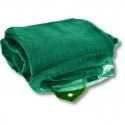
- Nets: Essential for harvesting fallen olives, protecting the soil and facilitating crop recovery.
3. Semi-mechanical harvesting
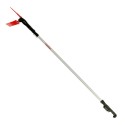
It is a combination of manual and mechanical techniques, using battery-powered combs or vibrating rods that facilitate the fall of the olives, which are then harvested on the nets.
- Advantages: Faster than manual harvesting; less expensive than full mechanized.
- Disadvantages: It still requires manpower and can be time-consuming in larger fields.
Would you like to receive our advice? Subscribe to our Newsletter - 8% discount now for you
|
Post-harvest treatments
Once harvested, the olives must be treated with care to keep their properties intact:
- Transport: It is important not to over-bulk the olives during transport to avoid bruising.
- Storage: The olives must be processed within 24-48 hours of harvesting to avoid fermentation that could alter the quality of the oil.
- Washing and sorting: The olives are washed to remove dust and debris, then sorted to remove any damaged fruit.
Common Diseases That Affect Harvesting
Several pests and diseases can affect the quality and quantity of harvested olives. Among the most common pathologies we find:
- Oil fly: This pest lays eggs inside the fruit, causing damage and reducing oil yield. Biological control and the use of pheromone traps are effective methods to combat it.
- Peacock's eye: A fungal disease that can lead to leaf drop and, as a result, reduced production. It is prevented with copper-based treatments.
- Olive mange: Caused by a bacterium, it causes growths on the branches that reduce the vitality of the plant. It is important to disinfect pruning tools to prevent spread.
Frequently Asked Questions about Olive Harvesting
When is it best to harvest olives to obtain a high quality oil?
- The harvest of olives for oil generally takes place between October and November, when the olives begin to change color but are not fully ripe. This period ensures a good balance between yield and oil quality.
What are the main advantages of mechanical harvesting?
- Mechanical harvesting is faster and allows you to harvest a greater quantity of olives in less time. However, it is mainly suitable for large olive groves and requires specific equipment.
How to prevent diseases during the olive harvest?
- It is important to keep the olive grove clean, prune regularly, and use protective netting. In the case of infestations, biological methods and specific treatments can be used.
Can olives that have fallen to the ground be harvested?
- Olives harvested from the ground are often of inferior quality since they can be damaged or easily contaminated. It is preferable to harvest them directly from the plant to ensure superior quality.
What tools are essential for manual harvesting?
- For manual harvesting, nets, combs and baskets are useful for transporting the harvested olives. For those who want to speed up the work, a battery-powered facilitator can significantly reduce the time.
Share this content


 Chronology
 Citrus fruits
 Turf
 Stone fruit
 Olive tree
 Ornamental
 Vegetables
 Actinidia (Kiwi)
 Screw
 Hobbies and insights
 Pome Fruit


