
Your cart
There are no more items in your cart
Aloe Vera: Cultivation, Benefits and Care of the Plant
Categories :
Chronology
, Ornamental
Index
Aloe Vera FAQ (Frequently Asked Questions)

Introduction
Aloe Vera is a succulent plant with fleshy leaves and rich in a transparent gel widely used for its medicinal and cosmetic benefits. It has been known and cultivated since ancient times, appreciated both for its ease of cultivation and for its numerous beneficial effects on health and beauty. This article will offer a comprehensive overview of Aloe Vera cultivation, its nutritional needs, main characteristics, and common problems that may arise during its growth.
What is Aloe Vera?
Aloe Vera belongs to the Asphodelaceae family. Native to tropical and subtropical regions, this plant has an extraordinary ability to adapt, allowing it to grow in dry and sunny environments. The leaves of Aloe Vera are thick, green and lanceolate, covered with a waxy cuticle that prevents excessive water loss. Inside the leaves, there is a gel rich in vitamins, minerals, enzymes and amino acids, which gives the plant its healing properties.
Cultivation of Aloe Vera
1. Ideal Climate and Soil
Aloe Vera thrives in hot and dry climates, which are typical of tropical and subtropical regions. It is a drought-tolerant plant, but cannot withstand temperatures below 5°C. The ideal soil for growing Aloe Vera should be sandy and well-drained. Soil that retains too much water can cause root rot, one of the main problems in Aloe Vera cultivation.
To get the best growing medium, it is advisable to use a mix of universal potting soil, sand, and a little perlite to improve drainage. It is essential to avoid clay or heavy soils, which retain too much moisture and can compromise the health of the plant.
2. Light exposure
Aloe Vera needs plenty of sunlight to grow optimally. However, direct and prolonged exposure to bright sunlight can cause sunburn on the leaves, which turn brown or yellowish. For this reason, it is preferable to place the plant in an area where it receives indirect light or filtered sun. In particularly hot climates, it is advisable to provide some shade during the hottest hours of the day.
3. Watering
Being a succulent plant, Aloe Vera needs little water. Its leaves store moisture, making the plant drought-tolerant. It is important to water the plant only when the soil is completely dry. During the summer months, watering may be necessary once every 2-3 weeks, while in winter, one watering per month is sufficient. Too much water can lead to root rot, one of the most common problems in Aloe Vera cultivation.
Benefits of Aloe Vera
Aloe Vera is known for its countless health and beauty benefits. The gel contained in the leaves has anti-inflammatory, soothing, moisturizing and healing properties . Below, we delve into some of the main benefits of Aloe Vera.
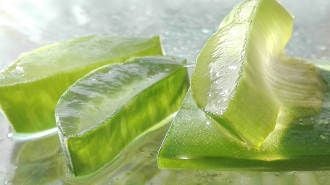
1. Healing propertiesAloe Vera gel is renowned for its healing properties and is often used to treat burns, wounds, cuts, and insect bites. Its anti-inflammatory action helps relieve pain and swelling, accelerating the healing process. In addition, the gel contains polysaccharides that stimulate collagen production, improving skin elasticity. |
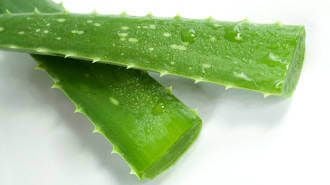
2. Cosmetic UseAloe Vera is widely used in the cosmetic industry for its ability to hydrate and nourish the skin. Its emollient properties make the gel an excellent remedy for dry, irritated or acne-prone skin. In addition, thanks to its antioxidant properties , Aloe Vera helps prevent premature aging of the skin and reduce the appearance of wrinkles and blemishes. |
3. Internal Benefits
Aloe Vera juice can be used as a dietary supplement to improve digestion and strengthen the immune system. Rich in vitamins, minerals and amino acids, the juice helps cleanse the body, improve bowel function and reduce inflammation. It is important, however, to consume the juice in moderation and consult a doctor before taking it regularly, as excessive consumption can have laxative effects.
Would you like to receive our advice? Subscribe to our Newsletter - 8% discount now for you
|
|
Common Problems and Solutions
Growing Aloe Vera is relatively simple, but the plant may face some challenges that can affect its health. Here are some of the most common problems and how to deal with them.
1. Root Rot
Root rot is a problem that occurs when the plant receives too much water or is grown in soil that does not drain well. Symptoms include soft, yellowing leaves and, in severe cases, an unpleasant odor coming from the soil. To prevent this problem, it is essential to use well-drained soil and water the plant only when the substrate is dry.
2. Sunburn
If Aloe Vera is exposed to too much direct sunlight, the leaves may develop brown or yellow spots. In this case, it is advisable to move the plant to an area with indirect light or provide cover during the hottest hours of the day.
Remember that on the other hand, even temperatures below zero can "burn" aloe vera, so it is advisable to carry out a foliar intervention with a fertilizer with a high potassium content and then cover with a specific sheet of TNT.
3. Parasites
Aloe Vera can be attacked by parasites such as mealybugs, aphids, and spider mites. These insects can damage the plant and slow down its growth. To combat pests, you can use a damp cloth to remove them manually or apply a natural insecticide based on neem oil.
Aloe Vera FAQ (Frequently Asked Questions)
1. Can Aloe Vera be grown at home?
Yes, Aloe Vera is an ideal plant to grow indoors, as long as it is placed in a well-lit place, such as a south-facing windowsill.
2. How do you collect the gel from Aloe Vera?
To scoop the gel, cut an outer leaf at the base of the plant, remove the peel, and scoop the clear gel inside. Use it immediately or store it in the refrigerator for later use.
3. Can Aloe Vera be used on all skin types?
Yes, Aloe Vera gel is suitable for all skin types due to its soothing and moisturizing properties. However, it is always advisable to carry out a small skin test before use to rule out any allergies.
4. Does Aloe Vera need fertilizers?
Aloe Vera is an undemanding plant. However, during the growing season, you can use a liquid algae and potassium fertilizer once a month to support the plant's development.
5. How can I propagate Aloe Vera?
Aloe Vera is easily propagated through its suckers or "puppies" that grow at the base of the mother plant. Gently remove the sucker and plant it in a separate pot with well-drained soil.
Share this content



 Chronology
 Citrus fruits
 Turf
 Stone fruit
 Olive tree
 Ornamental
 Vegetables
 Actinidia (Kiwi)
 Screw
 Hobbies and insights
 Pome Fruit


