
Your cart
There are no more items in your cart
What to Plant in November: A Guide to Autumn Crops
Categories :
Chronology
, Vegetables
Index
Types of crops to plant in November
Planting and protection techniques for November
Autumn Crop Protection: Pathologies and Solutions
FAQs (Frequently Asked Questions) On What To Plant In November
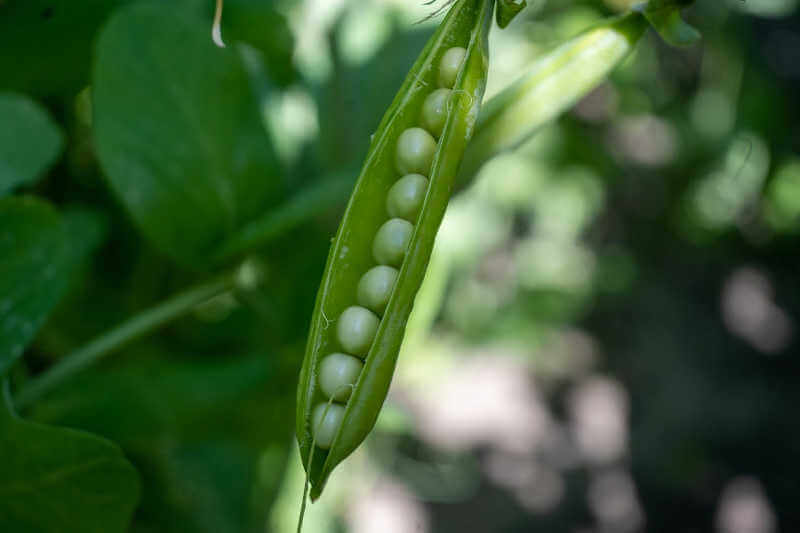
November is a seasonal transition month in which temperatures drop and the days get shorter. This period represents an ideal time for sowing different varieties, taking advantage of soil moisture and moderate temperatures to prepare winter crops. Choosing the right plants can ensure lush harvests and allows horticulturists to keep the garden active even in the cold season.
Types of crops to plant in November
Root vegetables and cold-resistant vegetables
Some root vegetables and leafy vegetables are particularly suitable for autumn and winter cultivation, as they withstand the cold and even improve their flavor at low temperatures. These include:
- Cabbage (kale, kale, kale): can be planted in this month for a spring harvest. Black cabbage, in particular, is renowned for its sweeter flavor after frost.
- Leeks: planted in November, they ripen for the winter and can be harvested until spring.
- Winter onions: ideal for autumn planting, they survive the cold and begin to grow vigorously in spring.
- Garlic: it is planted towards the end of November in colder areas, and begins to grow with the first warm spring.
- Spinach and winter lettuce: Spinach and cold-hardy lettuce varieties (such as winter density lettuce) are perfect for November planting, as they grow slowly and keep for long periods.
Legumes
Legumes are ideal plants for enriching the soil with nitrogen, a fundamental nutrient for subsequent plants. Among those that are best suited to November sowing are:
- Fava beans: resistant to cold, they are often planted in November to obtain an early harvest in spring.
- Field peas: A great option for enriching the soil, as their roots fix nitrogen in the soil.
Herbs
Some herbs also benefit from autumn planting and are ideal for flavoring winter dishes. These include:
- Parsley: sown in autumn, it can be protected from frost and continue to grow until spring.
- Rosemary and thyme: they can be planted in pots and brought indoors during the coldest days, continuing to produce aroma even during the winter.
Planting and protection techniques for November
Soil preparation
November is a month when the soil must be well drained, as autumn rains can compact the soil and cause waterlogging that is harmful to the roots. Before sowing, it is advisable to:
- Fertilize with compost: Enriching the soil with compost helps retain nutrients and improve soil structure.
- Remove summer plants: By uprooting the residues of summer crops, diseases are prevented and space is freed up for new plantations.
- Hoeing the soil: aerating the soil with a light hoe makes the soil less compact and promotes drainage.
Covering and mulching
For plants that need protection from frost, a good technique is to use non-woven fabrics or mulch sheets that protect the roots from the cold:
- Natural mulching with leaves or straw: excellent for maintaining a stable temperature in the soil.
- Non-woven cover: protects plants without blocking the passage of light and water, ideal for crops such as spinach and lettuce.
Irrigation
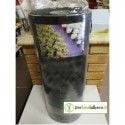
In November, due to the rains, watering is often less frequent, but it is important to ensure a constant level of moisture in the soil, preventing it from drying out excessively or compacting. To monitor soil moisture we can use a special digital soil moisture meter such as the Blumat Digital .
Autumn Crop Nutrition
To obtain strong plants and a bountiful harvest, it is essential to feed your crops correctly from the planting stage. Here are some recommended products to improve the health and growth of fall crops:
1. Biostimulant Organic Fertilizer
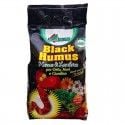
An organic fertilizer such as Black humus is perfect for enriching the soil and promoting the rooting of plants in autumn. This product improves soil structure, promotes water retention and stimulates microbiological activity, which is essential for plants such as leeks, cabbage and legumes.
2. NPK Slow-Release Fertilizer
To provide a balanced supply of nutrients throughout the winter, NPK Original Gold 15-9-15 Fertilizer is an excellent solution. With its gradual release, it ensures that crops such as onions, garlic and spinach receive the nitrogen, phosphorus and potassium needed for vigorous and balanced growth, without overloading the soil.
3. Mycorrhizae and Beneficial Fungi
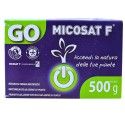
A product like Micosat F Go is ideal for improving the symbiosis between plant roots and soil. This natural support is particularly useful for legumes such as broad beans and peas, which benefit from improved nutrient assimilation and resistance to environmental stresses.
Would you like to receive our advice? Subscribe to our Newsletter - 8% discount now for you
|
Autumn Crop Protection: Pathologies and Solutions
Autumn crops can face several challenges related to pathogens and pests. Protecting these crops is crucial to avoid losses and ensure a healthy harvest. Here is a guide to the main problems and the recommended products for their management.
1. Downy mildew
Blight is a fungal disease that can affect fall crops such as cabbage and onions, causing yellow spots and discoloration on the leaves.
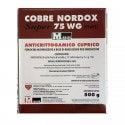
Recommended product: Cobre Nordox is a cupric fungicide that provides effective protection against blight. Applying preemptively helps keep leaves healthy and stop the spread of the pathogen.
2. Powdery mildew
Powdery mildew, also known as white mildew, is a disease that causes a white powder to form on the leaves of plants such as spinach and lettuce.
Recommended product: ZOLVIS 80 is an excellent solution for treating powdery mildew. This product offers a fast and safe treatment, ideal for use in horticulture.
3. Alternariosis
Alternariosis affects the leaves of many autumn crops, especially cabbage, creating black, necrotic spots.
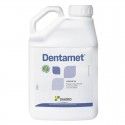
Recommended product: Dentamet, a copper and zinc-based formulation, is particularly effective for preventing and treating alternaria infections. It helps to strengthen the leaf structure and reduce fungal infection.
4. Aphids
Aphids can infest crops such as leeks and spinach, feeding on linfa and causing curling and yellowing of the leaves.
Recommended product: Epik SL is an acetamiprid-based systemic insecticide, effective for controlling aphids and other sucking pests. Its action ensures long-lasting protection against infestations.
5. Thrips
Thrips can cause significant damage to plants, especially on legumes such as broad beans and peas, creating silver spots on the leaves and discoloration.
Recommended product: Spintor Fly is a spinosad-based insecticide that acts in a targeted way on thrips, protecting plants and respecting the surrounding environment.
6. Gray mold (botrytis)
Gray mold is another common problem for fall crops, especially for plants like cabbage and lettuce, and can cause rot that affects crop quality.
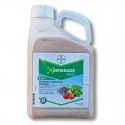
Recommended product: Serenade ASO, an organic fungicide based on Bacillus subtilis, offers effective protection against gray mold, reducing the incidence of the disease without leaving chemical residues.
7. Snails and Slugs
Slugs and slugs can devour young cabbage and lettuce plants, causing serious damage to crops.
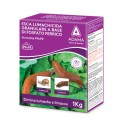
Recommended product: Ferramol is a slug killer that uses ferric phosphate to control infestations. Safe for the environment and leaves no toxic residue.
8. Root Rot and Collar
Root rot can be a problem for crops such as garlic and onions, especially in soils with poor drainage.
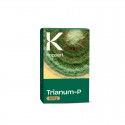
Recommended product: Trichoderma Harzianum (e.g. TRIANUM P KOPPERT) is an antagonistic fungus that protects the roots and collar of the plant, improving resistance against soil pathogens and promoting overall plant health.
FAQs (Frequently Asked Questions) On What To Plant In November
Can I plant potatoes in November?
- Yes, but only in areas with a milder climate. Potatoes planted in November can be covered with mulch to protect them from frost.
What vegetables can I grow indoors in November?
- Herbs such as basil, parsley, and rosemary grow well in pots and can be kept indoors, continuing to produce leaves throughout the winter.
Is it necessary to fertilize winter crops planted in November?
- Yes, light fertilization with compost or mature manure is ideal for providing plants with nutrients during the slow winter growth process.
When do I harvest planted crops in November?
- Many crops planted in November, such as onions and garlic, will be ready for harvest in the spring. Leafy greens, on the other hand, can be harvested gradually over the winter.
How can I protect November crops from frost?
Share this content




 Chronology
 Citrus fruits
 Turf
 Stone fruit
 Olive tree
 Ornamental
 Vegetables
 Actinidia (Kiwi)
 Screw
 Hobbies and insights
 Pome Fruit


