
Your cart
There are no more items in your cart
Sowing fava beans : complete guide to cultivation
By :
TANCREDI MAURIZIO -
Categories :
Chronology
, Vegetables
Index
The best varieties of fava bean
Fungal diseases and biological defense
Insect Control
Fight against the virus
How to grow fava beans: nutrition
Frequently asked questions
|
|
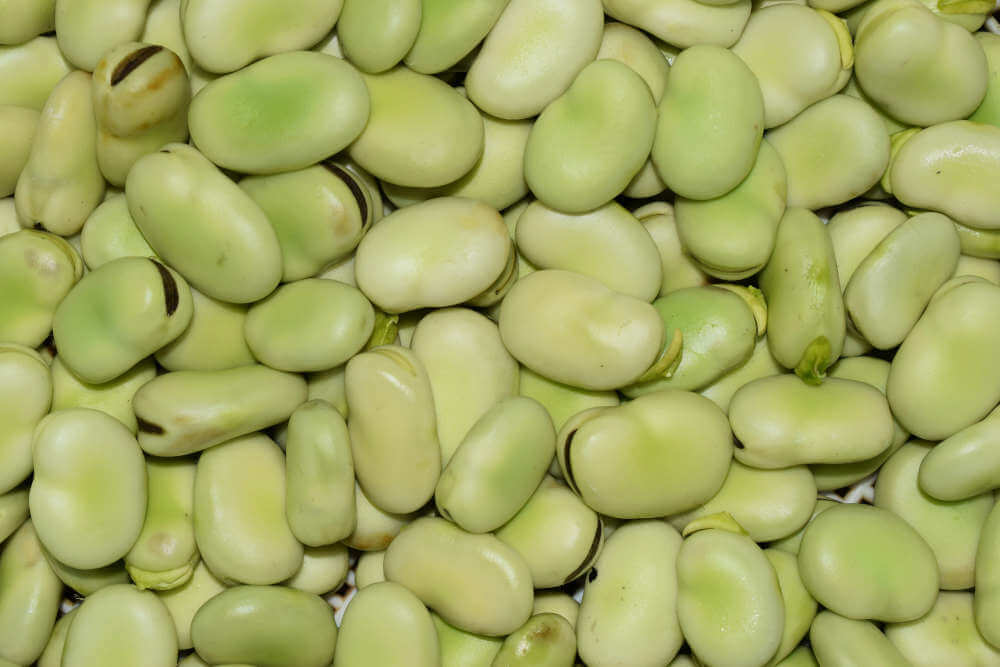
The cultivation of the fava bean
The fava bean (Vicia faba) is a leguminous crop that is highly appreciated for its nitrogen-fixing properties and for its adaptability to different climatic conditions. The organic approach to its cultivation is increasingly widespread, as it allows you to obtain a product free of chemical residues, respecting the environment. However, it requires greater attention in agronomic management and constant monitoring.
In this article we will see how to grow the fava bean following an organic approach, with particular attention to the prevention of fungal diseases, insect control and nutrition, using products allowed in organic farming. In addition, we will look at the three best varieties of fava bean: Sofia, Luz de Otoño (medium early) and Claro de Luna (early).
Would you like to receive our advice on how to grow broad beans? Subscribe to our Newsletter - 8% discount now for you
|
1. The best varieties of fava bean
- Sofia: It is a very versatile variety, appreciated for its greater resistance to environmental stress and diseases. It is ideal for those looking for a quality bean with a high production yield.
- Luz de Otoño: A medium-early variety, prized for its ability to adapt to autumn planting conditions. It offers good production and acceptable resistance to fungal diseases.
- Claro de Luna: Early variety, perfect for early harvests. It stands out for its speed of growth and good tolerance to the main pathogens.
2. Fungal diseases and biological defense
Among the main fungal diseases that can affect the fava bean, rust (Uromyces viciae-fabae) is one of the most common and harmful. To prevent and control the onset of fungal diseases, it is important to adopt a resistance induction strategy and use specific products.
Prevention with Equisetum: An excellent ally in the prevention of fungal diseases is Equisetum (horsetail extract + chitosan), an organic product that stimulates the plant's natural defenses. This treatment is particularly effective against rust and reduces the presence of the pathogen in the field.
Azul S-Cu for active defense: For a direct defense action, the Azul SCu product (dose 150ml/hl) is a mixture based on copper, sulfur and pinaceae extracts. This treatment not only protects against anthracnose and rust, but does not require the addition of wetting agents, thanks to the pine extracts that improve the distribution of the product on the plant.
3. Insect Control
Insects can pose a threat to the fava bean, especially aphids, which attack the plant by feeding on its linfa and transmitting viral diseases.
Soptech for aphids: A highly effective biological treatment is Soptech (dose 100ml/hl), a product with mechanical action that requires complete coverage of the plant to be effective. The mechanical action traps the aphids, preventing them from feeding and reducing their ability to proliferate.
TURI-L for the biological control of lepidoptera: In case of lepidopteran attacks, bacillus-based products can be used. This natural insecticide works quickly against insects, but it is important to apply it in the evening hours to avoid rapid degradation in sunlight.
4. Fight against virosis
Viruses are difficult to treat, but infection can be prevented by using biological products in the early stages of plant growth.
Shore: Applying the Shore product in the first weeks after sowing, with three applications 10 days apart, has been shown to significantly reduce the spread of viruses in the treated fields. This organic product strengthens the plant's defenses and improves its resistance to viral infections.
5. How to grow fava beans: nutrition
Being a legume, the fava bean is a nitrogen-fixing plant, so it does not need large amounts of nitrogen. However, it is crucial to ensure a good supply of phosphorus and potassium to support growth and production.
Furia for flowering: A particularly useful product in managing fava bean nutrition is Furia (400 gr / hl), an organic organic fertilizer that stimulates early flowering and helps keep internodes short. This favors a more compact plant, with abundant blooms and well-distributed fruits.
Topping to stimulate lateral shoots: A common practice in fava bean cultivation is topping plants. This intervention, carried out in the initial phase of growth, induces the production of lateral shoots, improving the yield and distribution of the fruit. A more compact plant, in fact, is less exposed to wind damage and mechanical stress, and produces fruit more evenly.
Ener 26 for Increase in Size and Production: To support the plant and especially the fruits to improve their organoleptic and aesthetic qualities, we resort to a couple of interventions, the first at 14 days and the second at 7 days after harvesting with ENER 26 (dose 400ml/hl) organic product that contains potassium and other specific microelements for the qualitative ripening of the product
The agronomic management of the fava bean with an organic approach is an effective strategy to obtain a quality product, free of chemical residues. The use of products such as Equisetum, Azul SCu and Soptech, combined with proper nutritional management, allows good results to be obtained even in organic farming. The Sofia, Luz de Otoño and Claro de Luna varieties offer versatile options to adapt to different production and environmental needs.
Taking an organic approach to growing fava beans not only respects the environment, but also ensures a healthy and sustainable product for consumers.
6. Frequently Asked Questions
How deep are broad beans sown?
The beans are sown at a depth of about 5-7 cm. This helps the seeds develop strong roots and protect them from cold temperatures.
When to sow broad beans?
The best time to sow fava beans is in autumn, from October to November, in milder regions. In cold areas it can be sown at the end of winter, between February and March.
How long does it take to harvest fava beans?
The beans are ready for harvesting about 3-4 months after planting, depending on climatic conditions and varieties. Generally, they are harvested in spring.
How many beans per hole?
For each hole, it is recommended to insert 2-3 fava bean seeds to ensure effective germination.
What fertilizer is used for broad beans?
Fava beans require phosphorus and potassium fertilizers, such as NPK with low nitrogen content, as fava bean plants fix nitrogen independently from the soil.
How much water should be given to the broad beans?
Broad beans need moderate irrigation. It is important to keep the soil moist but not excessively wet, especially during flowering and pod development.
Share this content


 Chronology
 Citrus fruits
 Turf
 Stone fruit
 Olive tree
 Ornamental
 Vegetables
 Actinidia (Kiwi)
 Screw
 Hobbies and insights
 Pome Fruit


