
Your cart
There are no more items in your cart
Cucumber cultivation - practical guide on how to grow cucumber
Categories :
Chronology
, Vegetables
Index
How to grow cucumber : Soil preparation
Irrigation and water management
Cucumber fertilization: advice on nutrition
Disease Control & Pest Management
FAQs (Frequently Asked Questions) about growing cucumbers
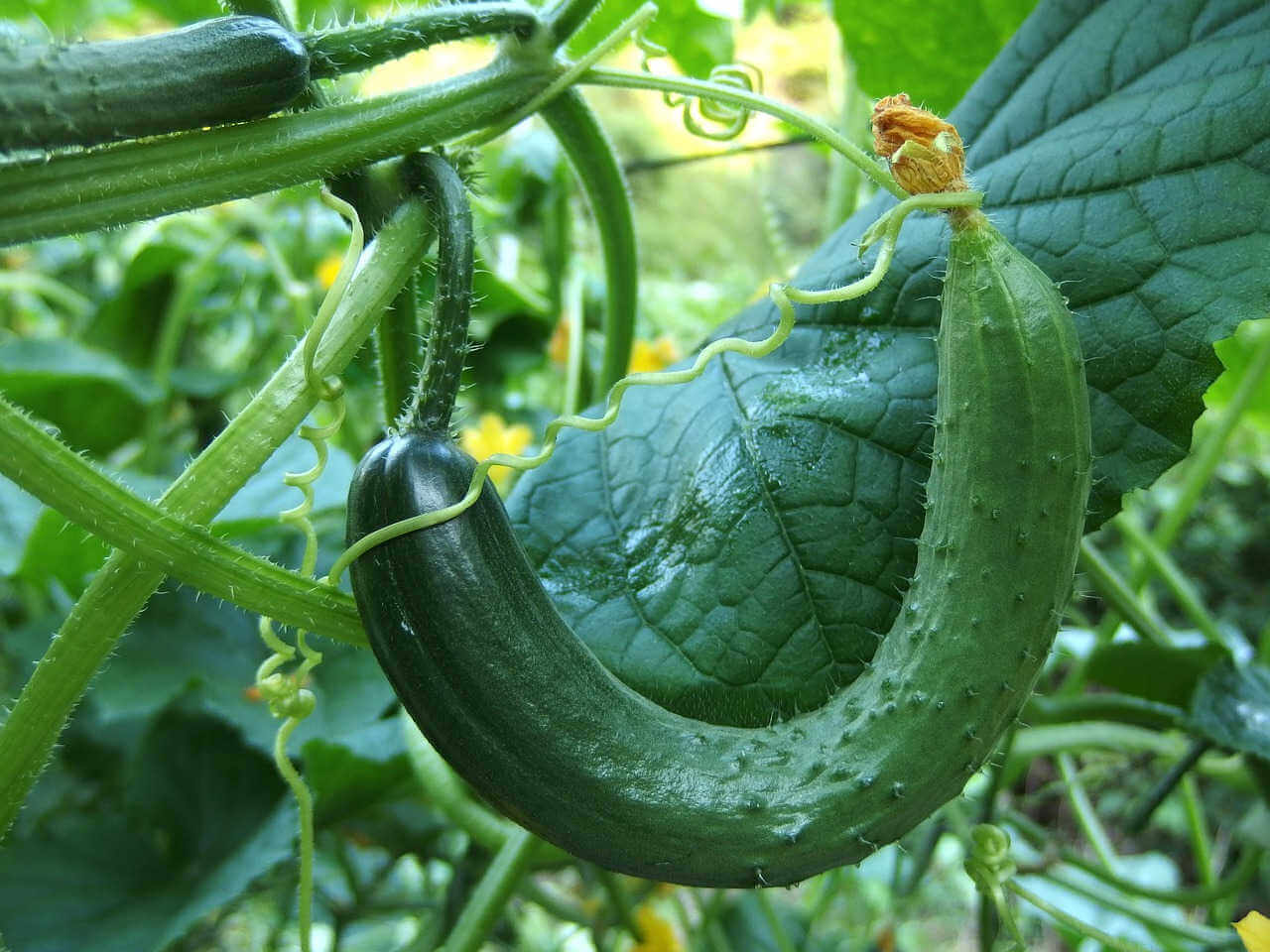
Introduction
The cultivation of cucumber (Cucumis sativus) is a widespread and relatively simple agricultural practice, which offers excellent results even for those approaching horticulture for the first time. This vegetable, appreciated for its fresh and light taste, is widely used in salads, preserves and other summer dishes. The cucumber, belonging to the Cucurbitaceae family, has ancient origins and requires a favorable environment to grow optimally, especially during the summer season. The cultivation of this plant requires attention to climatic conditions, soil preparation, irrigation management and balanced nutrition to ensure vigorous development.
How to grow cucumber: Soil preparation
Soil preparation is a critical step in achieving healthy and vigorous cucumber growth. This vegetable prefers well-drained soils, rich in nutrients and with a slightly acidic pH of 6 to 6.8.
Steps to prepare the ground:
- Site Choice: Cucumber grows best in sunny areas, which receive at least 6-8 hours of direct sunlight per day. Avoid soils that are prone to waterlogging, which can cause root rot problems.
- Tillage: Before planting, work the soil to a depth of at least 30 cm, breaking up any clods and removing stones and debris. The use of special Agribio Aktiv, an organic fertilizer with mycorrhizae, will improve soil structure and provide a gradual release of nutrients.
- Fertilization: Supplement the soil with balanced fertilizers. In addition to organic fertilizers, Nutrigran Top S, an organo-mineral fertilizer, is very good for providing the initial supply of phosphorus and potassium for rooting and plant development.
- Raised beds or furrows: In colder climates or poorly draining soils, it is advisable to create raised beds to improve drainage and increase soil temperature.
Irrigation and water management
Cucumber watering is a critical aspect of successful cultivation. This plant needs high water availability, especially in the flowering and fruit development phases.
Tips for proper watering:
- Frequency: During hot weather, water at least 2-3 times a week.
- Watering mode: Preferably use a drip irrigation system. The use of Thales Syngenta, a biostimulant that improves tolerance to water stress, can help better manage irrigation and prevent drought damage.
- Avoid waterlogging: Make sure the soil drains well, as cucumber is sensitive to waterlogging, which can promote the development of root diseases.
Would you like to receive our advice? Subscribe to our Newsletter - 8% discount now for you
|
|
Cucumber fertilization: advice on nutrition
To grow luxuriantly, cucumber needs balanced nutrition and a good base of organic matter. Organic matter is crucial because it improves soil structure, increases the ability to retain water and nutrients, and stimulates soil microbial activity, making nutrients more readily available to plants. Nutrigran Top S is an organo-mineral fertilizer that provides the macro and microelements necessary during the most critical stages of growth, ensuring a constant and balanced release of nutrients.
Phosphorus supply in the early stages
In the early stages of growth, cucumber needs a high supply of phosphorus, which is essential for root development. For this, we recommend using Master Supreme Starter 11.44.11, a fertilizer with a high phosphorus content ideal for fertigation. This product helps stimulate root growth and provides a balanced boost for a healthy start of the plant.
Nutrition in the vegetative stages
During the vegetative stages, cucumber requires a balanced supply of nitrogen, phosphorus, and potassium. It is important to integrate these elements through fertigation. In the flowering and fruiting phase, it is essential to increase the intake of phosphorus and potassium to improve fruit quality and stimulate production. At this stage, we recommend the use of Master Supreme balanced 18.18.18, a complete fertilizer that ensures a balanced supply of nutrients necessary to support plant and fruit development.
Foliar treatments
In addition to fertigation, it is advisable to carry out corrective and support foliar interventions during the entire vegetative phase. These treatments can also temporarily replace fertigation interventions, but it is important to underline that a good basic fertilization of the soil is not replaceable and remains crucial to obtain abundant harvests.
-
Megafol: Used to prevent and reduce abiotic stresses (such as water or heat stress), improving the plant's ability to cope with unfavorable environmental conditions.
-
Kendal: Stimulates and strengthens the plant's natural defenses, improving its resistance to biotic and abiotic stresses. This product promotes healthy and vigorous plant growth.
-
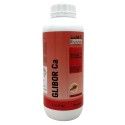
Agroleaf Power High N 31-11-11+TE + Glibor Ca: In the flowering phase, this combination helps to improve fruit set, providing a balanced source of essential macro and microelements, such as calcium, which is crucial for preventing physiological disorders and improving fruit quality.
Contribution of microelements
Be sure to also provide foliar magnesium and calcium, especially during critical stages of growth. Products such as Calcisan Green are particularly suitable for correcting any calcium deficiencies, thus improving the texture and quality of the fruit.
Disease Control & Pest Management
Cucumber, like other Cucurbitaceae, can be prone to various diseases and parasite attacks.
Common diseases:
- Powdery mildew: It manifests itself as a white patina on the leaves. For treatment, we recommend the use of Azul S/Cu or wettable sulfur to control this pathology.
- Downy mildew: It is a fungal disease that affects the leaves, causing yellowish spots. To prevent downy mildew and bacteriosis, Kyprion is an excellent organic product to use preventively.
- Root rot: Caused by waterlogging, it leads to root death. Good drainage and well-aerated soil are key to preventing it.
Pests:
- Aphids and whiteflies: To counteract attacks by aphids, whiteflies and thrips, we recommend Velifer, an organic product that is effective against these pests.
Virosis
Cucumber viruses, such as mosaic and other viral infections, are a serious problem that is difficult to treat once established. For more details, please refer to our blog article dedicated to virosis, where we delve into symptoms, prevention, and best practices to reduce the spread.
FAQs (Frequently Asked Questions) about growing cucumbers
1. When is the best time to plant cucumbers?
Cucumbers are planted when temperatures are stable above 15°C, typically in late spring or early summer. It is important to avoid late frosts that could damage young seedlings.
2. How far apart are cucumbers planted?
The recommended distance for planting cucumbers is about 30-40 cm between plants, with 80-100 cm between the rows. This ensures that the plants have enough space to grow and develop.
3. What is the ideal soil for growing cucumber?
The cucumber prefers well-drained soils, rich in organic matter, with a slightly acidic or neutral pH (between 6 and 7). It is helpful to work the soil deeply before planting.
4. How can cucumbers be grown in pots?
Growing cucumber in pots is possible using containers at least 30 cm deep, with good quality soil. Cucumbers love the sun, so it's essential to place the pots in a sunny area.
5. What are the main cares needed to grow cucumber?
Cucumber cultivation requires regular watering, especially in hot weather, and balanced fertilization rich in nitrogen. It's also important to provide props to help plants grow vertically.
6. How long does it take for cucumbers to grow?
From the time of planting, cucumbers generally take between 50 and 70 days to be ready for harvest, depending on the variety and climatic conditions.
7. How to grow cucumbers organically?
To grow cucumbers organically, avoid chemical pesticides and synthetic fertilizers. Use natural compost, nettle macerates and mulch to keep the soil fertile and moist.
8. What are the most common pests in cucumber cultivation?
Cucumbers are often attacked by aphids, mites, and whiteflies. To protect them, you can use natural products such as moll soapand or neem essential oils.
9. When to plant cucumbers in cooler climates?
In cool climates, it's best to start growing cucumber in a greenhouse or sow in seedbeds in early spring, and then transplant outdoors when temperatures stabilize.
10. What are the benefits of growing cucumber?
Growing cucumber is easy and allows you to have fresh and crunchy fruits throughout the summer. Cucumbers are rich in water and nutrients, ideal for a healthy and hydrating diet.
Share this content













 Chronology
 Citrus fruits
 Turf
 Stone fruit
 Olive tree
 Ornamental
 Vegetables
 Actinidia (Kiwi)
 Screw
 Hobbies and insights
 Pome Fruit


