
Your cart
There are no more items in your cart
How to Grow Zucchini: Complete Guide for a Bountiful Harvest
Categories :
Chronology
, Vegetables
Index
1. Soil preparation and choice of variety
3. Irrigation and water management
4. Fertilization and soil care
5. Disease Control and Pest Management
8. Frequently Asked Questions (FAQs) About Growing Zucchini
Introduction
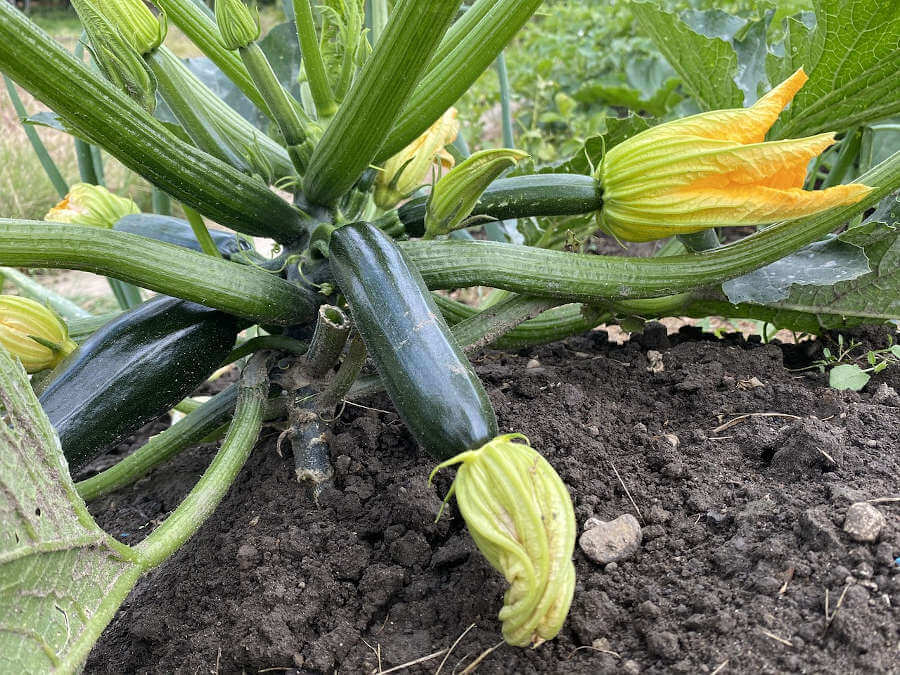
Zucchini is one of the most popular vegetables in home gardens and professional crops due to their ease of cultivation and the fact that they produce abundantly. Belonging to the Cucurbitaceae family , zucchini are versatile plants, used in many recipes. In this article, we will delve into every aspect of their cultivation, from planting to harvesting, with a focus on climate needs, soil management, and protection from diseases and pests.
1. Soil preparation and choice of variety
The first fundamental step for growing zucchini is the preparation of the soil. Zucchini prefer fertile soils, rich in organic matter and with good drainage. Well-tilled soil enriched with compost or mature manure will provide the ideal foundation for plant growth. The pH of the soil should be slightly acidic, around 6.0 - 7.5.
Zucchini varieties can be divided into two main groups: head and climbers. Head zucchini are more suitable for small spaces, as they grow compact, while climbing varieties need supports but produce more fruit.
Key points:
- Soil: fertile, well-drained, rich in organic matter.
- Variety: Choose between head or climbing varieties, depending on the space available.
2. Sowing and transplanting
The sowing of zucchini can be carried out directly at home or, in colder climates, in a seedbed with subsequent transplanting. The best time for sowing in the open field is from April to June, when the risk of frost has passed and temperatures remain between 18 and 25°C.
For direct sowing, it is advisable to make holes at a distance of about 80-100 cm from each other, inserting two or three seeds per hole at a depth of 2-3 cm. Once the seedlings have sprouted, the most vigorous is left, eliminating the others.
In the case of transplanting, it is sown in pots or alveoli and the seedlings are transferred to the vegetable garden when they have developed at least 3-4 leaves, maintaining a distance of about 1 meter between the plants.
Key points:
- Sowing: April-June, in the open field or in a seedbed.
- Spacing: 80-100 cm between plants to promote development.
- Sowing depth: 2-3 cm.
3. Irrigation and water management
Zucchini are plants that need a lot of water, especially during the development phase and fruit production. It is essential to ensure constant irrigation to avoid water stress that can compromise the yield. Watering should preferably be done in the coolest hours of the day, avoiding wetting the leaves to prevent the onset of fungal diseases.
Insufficient watering can cause misshapen or bitter fruit. Mulching with organic materials (leaves, straw, compost) is useful for maintaining soil moisture and reducing weed growth.
To support the plant in times of water stress, we recommend Talete Syngenta, a biostimulant that helps the plant better tolerate water shortages, improving absorption capacity and irrigation efficiency.
Key points:
- Irrigation: regular, avoiding water stagnation.
- Mulching: useful for maintaining humidity and limiting weeds.
Would you like to receive our advice? Subscribe to our Newsletter - 8% discount now for you
|
|
4. Fertilization and soil care
To achieve an abundant production, zucchini requires good fertilization. It is advisable to use organic fertilizers such as
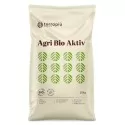
- Agribio Aktiv special: organic fertilizer enriched with mycorrhizae, perfect for improving soil structure and promoting rapid root growth.
- Nutrigran Top S: an organo-mineral fertilizer, not organic but very effective for a vigorous start of the plants.
During growth, it is useful to supplement with fertilizers rich in nitrogen, which stimulates leaf production, and potassium, to improve the quality of the fruit.
Zucchini also respond well to fertigation, a technique that allows nutrients to be administered directly through irrigation water.
Key points:
- Fertilization: abundant at the beginning, with nitrogen and potassium supplements during growth.
- Fertigation: an effective method of providing nutrients.
5. Disease Control and Pest Management
Zucchini can be prone to numerous diseases and parasites. Among the main fungal diseases we find:
- Downy mildew and bacteriosis: to prevent them, we recommend the use of Kyprion, a license-free organic copper-based product.
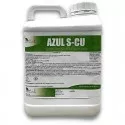
- Powdery mildew: (Erysiphe cichoracearum, Sphaerotheca fuliginea, Leveillula cucurbitacearum) for the treatment of powdery mildew, we recommend Azul S/Cu or wettable sulphur.
- Cladosporiosis (Cladosporium sp.), Anthracnose (Colletotrichum orbiculare), Gummy canker (Didymella bryoniae), Pseudodowny mildew (Pseudoperonospora cubensis): we recommend Hortize, a fungicide effective against these diseases.
As for parasites:
- Thrips (Thrips tabaci, Frankliniella occidentalis) and Whiteflies (Trialeurodes vaporariorum, Bemisia tabaci, Bemisia argentifolii): we recommend the use of Velifer at a dose of 50 ml/hl.
6. Collection and storage
The zucchini are ready to be harvested about 40-50 days after planting, when they have reached a length of 15-20 cm. It is important not to let them grow too much, as smaller fruits are more tender and tasty. The harvest must be regular to stimulate the production of new fruit.
As for storage, zucchini can keep well in the refrigerator for about a week, but it is also possible to freeze them after cutting them into slices and blanching them for a few minutes.
Key points:
- Harvest: after 40-50 days, when the fruits are 15-20 cm long.
- Storage: in the refrigerator for a week or frozen after blanching.
7. Prevention of virosis
Zucchini can be prone to viral infections that drastically reduce production. Virosis is often transmitted by insect vectors such as aphids. To prevent these infections, it is essential to adopt strategies such as crop rotation, the use of insect nets and preventive treatments with products based on soft soaps and natural macerates. For more information on the prevention of viruses on zucchini, we refer you to our dedicated article.
Recommended products:
- Agribio Aktiv special – Organic organic fertilizer with mycorrhizae to improve soil structure.
- Nutrigran Top S – Organo-mineral fertilizer for a vigorous start of the plants.
- Kyprion – Organic copper without license, for the prevention of downy mildew and bacteriosis.
- Azul S/Cu or Wettable Sulfur – For the treatment of powdery mildew.
- Vegetable – For the management of Cladosporiosis, Anthracnose, Gummy Canker, Powdery mildew and Pseudodowny mildew.
- Velifer – For the control of thrips and whiteflies.
- Thales Syngenta – To help plants tolerate water stress.
8. Frequently Asked Questions (FAQs) About Growing Zucchini
1. How often should I water zucchini?
Zucchini requires frequent watering, especially in warmer weather. Generally, it is advisable to water them 2-3 times a week, increasing the frequency during heat waves.
2. What are the signs of underwatering?
Signs of water stress include wilted leaves, stunted growth, and misshapen or bitter-tasting fruits.
3. How can I prevent fungal diseases?
To prevent fungal diseases, such as powdery mildew, avoid wetting the leaves during watering and use sulfur or baking soda treatments at the first sign of infection.
4. Is it necessary to prune zucchini plants?
There is no need to prune zucchini, but removing older, damaged leaves can improve air circulation and reduce the risk of disease.
5. When is the best time to harvest zucchini?
Zucchini should be harvested when they reach 15-20 cm in length, before the seeds develop too much and the skin becomes hard.
Share this content







 Chronology
 Citrus fruits
 Turf
 Stone fruit
 Olive tree
 Ornamental
 Vegetables
 Actinidia (Kiwi)
 Screw
 Hobbies and insights
 Pome Fruit


