
Your cart
There are no more items in your cart
Cold-resistant plants: a detailed analysis
Categories :
Chronology
, Hobbies and insights
, Ornamental
Index
What makes a plant cold-hardy?
Types of cold-resistant plants
Cultivation techniques for cold climates
Nutrition of cold-resistant plants
Increase plant resistance to cold
Main pathologies of cold-resistant plants
FAQ: Frequently Asked Questions About Cold-Hardy Plants
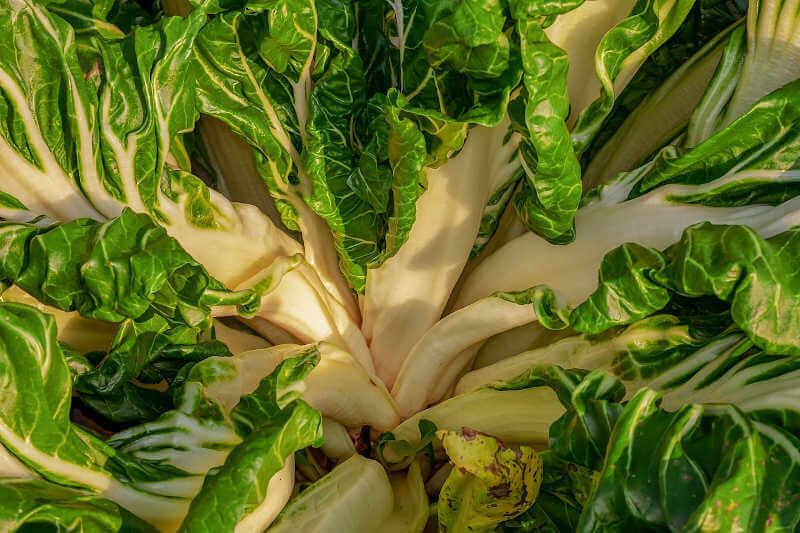
Cold-hardy plants are essential for gardens and crops in areas with harsh winters. Due to their unique characteristics, these plants can survive sub-zero temperatures and harsh weather conditions. But what are these plants and what strategies do they adopt to overcome the rigors of winter? In this article, we will explore the main species, cultivation techniques, and the challenges involved in managing them.
What makes a plant cold-hardy?
Plants that resist cold possess specific adaptations that allow them to survive very low temperatures. These include:
-
Reduced metabolic activity: Plants enter a state of quiescence, reducing energy consumption.
-
Production of antifreeze sugars and proteins: These compounds reduce the formation of ice crystals inside cells.
-
Protective structures: Some plants develop a waxy cuticle or protective hairs to limit water loss.
Types of cold-resistant plants
Cold-hardy ornamental plants are ideal for winter gardens and mountain landscapes. Some of the most common are:
|

Some fruit plants resist the cold well, producing yields even in harsh climates:
|
Many winter vegetables are resistant to cold:
|
In natural environments, many spontaneous plants show great adaptability to the cold: |
Would you like to receive our advice? Subscribe to our Newsletter - 8% discount now for you
|
Cultivation techniques for cold climates
-
Soil preparation
-
Effective drainage: Well-drained soil prevents waterlogging, which can cause root damage.
-
Mulching: Apply layers of straw, leaves, or pine bark to protect the soil from frost.
-
Plant protection
-
Antifreeze sheets: Protect the most delicate plants during particularly cold nights.
-
Greenhouses and tunnels: Ideal solutions for horticultural plants.
-
Choosing the right strains
Opt for native plants or varieties specifically selected to withstand the cold. Hybrid cultivars can offer greater tolerance to frosts.
Nutrition of cold-resistant plants
To keep cold-hardy plants vigorous and healthy, it is important to provide them with balanced nutrition during the winter months. Here are some products on perfarelalbero.it and their benefits:
-
BIOTRON S Cifo Organic Leonardite Fertilizer
This organic fertilizer improves the structure of the soil thanks to humic and fulvic acids, making it more fertile and able to retain moisture.-
Doses: 5 kg per 100 m² of soil.
-
Tip: Spread evenly over the soil and incorporate lightly with a hoe or rake.
-
-
Alfe Maxi K Potassium Nitrate NK 13-46
This water-soluble fertilizer is ideal for cold-resistant plants, thanks to its high potassium content, which improves frost resistance, and nitric nitrogen, which promotes balanced growth even in the coldest periods. It is perfect for both foliar and fertigation applications.
-
Doses:
-
Fertigation: 3-5 kg per hectare, to be diluted in water.
-
Foliar application: 2-3 g per liter of water, sprayed on the leaves.
-
-
Tip: Carry out the treatment on windless and dry days, preferably in the middle of the day to maximize potassium absorption.
Increase plant resistance to cold
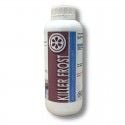
To increase the resistance of plants to the cold, a good recommended agronomic practice is to carry out a series of foliar interventions before and after lowering the temperature with specific products: Killer Frost is a liquid fertilizer based on POTASSIUM GLYCOL that provides structural support to the most fragile and cold-sensitive tissues.
Optimal watering in winter
To avoid water stress in cold-resistant plants, it is advisable to reduce and optimize irrigation, a useful tool is the use of products such as:
-
Watering Verdevivo Water Reserve: Gradually releases water to keep soil moisture constant.
-
Aquastick Cifo: Optimal for potted plants, it connects the soil to a water supply for continuous watering.
Increase plant defenses with Verdevivo Organic Propolis
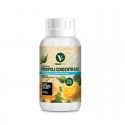
Verdevivo's 100% natural organic propolis is a ready-to-use product that exploits the natural properties of propolis to stimulate the immune defenses of plants. Thanks to its antimicrobial properties, it acts as a shield against fungal and bacterial diseases, preventing infections and helping plants stay healthy even under stressful conditions. It is particularly suitable for protecting plants during periods of temperature changes, when they are most vulnerable.
- How it works: Propolis forms a protective barrier on the leaves and stems, creating an unfavorable environment for the development of pathogens. It also improves the plant's resistance to external attacks, making it more robust over time.
- How to use: Spray the product directly onto the leaves and stems every 15 to 20 days, making sure to cover all surfaces.
- Practical tip: Use it regularly, especially on plants exposed to temperature variations or placed in humid areas, for continuous and natural protection.
Prevention of insects and fungal diseases with Koracid Mix
Koracid Mix is an innovative product based on citrus essential oils, ideal for naturally preventing insect attacks and fungal diseases. Thanks to its formulation based on plant extracts, it protects plants without the use of harsh chemicals, respecting the environment and promoting healthy growth.
- Key features: The citrus essential oils contained in Koracid Mix act as a natural repellent, creating a barrier that prevents insects from attacking plants. At the same time, the product reduces the likelihood of pathogenic fungi settling, keeping leaves and stems healthy.
- How to use: Dilute 20-25 ml of product in 1 liter of water and spray evenly throughout the plant, focusing on the leaves and underside, where insects often lurk.
- Practical tip: Carry out the treatment every 15 days, preferably in the cooler hours of the day, to ensure constant and lasting protection. Repeat more frequently in case of high humidity or initial infestations.
Protect your plants with Cifoblok Plus Ready to Use
Cifoblok Plus Ready to Use is a versatile ally to protect your plants from pests and diseases. This product works by creating a protective film on the leaves and stems, which hinders the establishment of insects and the spread of fungal spores. It is particularly suitable for keeping ornamental and garden plants healthy and lush throughout the year.
- How does that work: The formulation of Cifoblok Plus creates a physical barrier against pests and pathogens, while also improving the appearance of the leaves thanks to its cleaning action. This helps the plant to breathe better and continue its life processes without interference.
- How to use: Spray directly onto the leaves and stems every 10 to 15 days, making sure to cover all surfaces evenly.
- Practical tip: For best results, apply the product in the middle of the day, when temperatures are more favorable to promote quick drying. Repeat the treatment after heavy rains or in case of persistent infestations.
With regular use of these products, your plants will be protected naturally and effectively, maintaining their health and beauty throughout all seasons. By choosing solutions such as 100% natural organic propolis, Koracid Mix and Cifoblok Plus Ready to Use you guarantee your plants an optimal defense against pests and diseases, respecting the environment.
Main pathologies of cold-resistant plants
Even cold-hardy plants can suffer from fungal diseases and pests. Here's a guide to recognizing and fixing them:
Fungal diseases
Fungal diseases are among the most common problems that can affect cold-resistant plants, especially in the presence of high humidity and water stagnation. The main pathologies to be kept under control are as follows:
Root rot
Root rot is one of the most insidious diseases, caused by fungi in the soil that attack the roots, causing them to rot. This condition often occurs in poorly draining soils or when overwatering is used.
-
Symptoms: The leaves begin to turn yellow and the plant shows stunted growth. In many cases, the soil can give off an unpleasant odor due to the decomposition of the roots.
-
Recommended product: MICOSAT F UNO Mini Granular, an organic product that promotes the growth of microorganisms useful to the soil, helping the roots to regenerate.
-
Servings: Apply 10-20 g per plant, mixing it into the soil.
-
Tip: It is essential to ensure good drainage and reduce irrigation to prevent waterlogging, promoting root health.
Powdery mildew (White Mildew)
Powdery mildew, commonly called white powdery mildew, is a fungal disease that manifests itself with a whitish powdery patina on the leaves. This disease is favored by conditions of high humidity and poor ventilation.
-
Symptoms: White spots appear on the leaves, flowers and sometimes fruits that expand progressively, causing the plant to weaken.
-
Recommended product: Zolvis 80 Sector WG, a sulfur-based fungicide that eliminates the fungus and prevents new infections.
-
Servings: 200-300 g diluted in 100 liters of water.
-
Tip: Apply every 7 to 10 days, preferably in the morning or at sunset, to ensure optimal effectiveness.
Gray mold (Botrytis)
Gray mold, caused by the fungus Botrytis cinerea, attacks leaves, stems, and fruits, causing rot and the appearance of grayish mold. This disease mainly develops in conditions of high humidity and poor ventilation.
-
Symptoms: The affected parts show brown spots and become covered with visible mold, which can lead to the plant drying out.
-
Recommended product: Armicarb Spray PFnPE, a product based on potassium bicarbonate that fights mold in a natural way.
-
Dosages: Ready to use, spray directly onto infected parts.
-
Tip: Treat the affected parts promptly, removing them if necessary, and repeat the treatment after 7 days.
Autumn pests
During autumn, some pests can attack cold-resistant plants, compromising their health. Here are the main ones and how to fight them:
Mealybugs
Mealybugs are small insects protected by a waxy shell that feed on the linfa of the plant, causing weakening and producing honeydew, a sugary substance that promotes sooty mold.
-
Symptoms: The leaves appear sticky and small white or brown insects are noticed along the stems and underside of the leaves.
-
Recommended product: KO Verdivivo mealybugs, a ready-to-use product that eliminates mealybugs quickly.
-
Dosages: Spray directly onto infested areas.
-
Tip: Repeat the treatment every 10 days to eliminate any new outbreaks.
Aphids
Aphids are small insects that attack shoots and leaves, feeding on the linfa and causing deformations and slowdowns in the growth of the plant.
-
Symptoms: Curled, sticky leaves due to honeydew released by aphids.
-
Recommended product: KO RTU Aphids Verdevivo, ideal for eliminating these pests.
-
Dosages: Ready to use, apply directly to the infested plant.
-
Tip: Repeat the application every 7 days until the aphids have completely disappeared.
Red spider mite
The spider mite is a tiny mite that nestles on the underside of leaves, causing yellowing and dryness, often accompanied by thin cobwebs.
-
Symptoms: Discolored leaves, yellow dots and the presence of thin cobwebs.
-
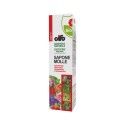
Recommended product: Stop Insects Cifo Ready-to-Use Soft Soap, a natural insecticide that eliminates mites by contact.
-
Servings: Ready to use, spray evenly onto leaves.
-
Tip: Insist on the underside of the leaves, repeating the treatment every 7-10 days.
Chlorosis (yellowing of the leaves)
Chlorosis is a common condition in plants, mainly caused by an iron deficiency. This deficiency prevents the leaves from synthesizing chlorophyll, leading them to turn yellow.
-
Symptoms: The leaves turn yellow, while the veins remain green.
-
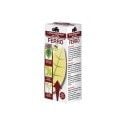
Recommended product: ORGANIC CIFO IRON, an iron-based fertilizer that quickly corrects deficiency.
-
Servings: Dilute 20 ml in 10 liters of water and use to irrigate the plant.
-
Tip: Apply every 2-3 weeks until the problem is completely resolved.
With special attention to these issues and the use of the right products, your cold-resistant plants will not only survive the winter, but will be back lush and ready for spring!
FAQ: Frequently Asked Questions About Cold-Hardy Plants
What plants can I grow in the mountains?
- Conifers, such as pines and firs, and herbaceous perennials, such as hellebore and kale, are ideal for mountainous areas.
How to protect potted plants from frost?
- Move pots to sheltered areas, use thick mulches, and cover them with frost sheets.
What vegetables can I grow in winter?
- Spinach, kale, leeks, and shallots are great choices for the winter garden.
Which fruit plants are best resistant to cold?
- Apple, pear and some varieties of plums are very resistant to low temperatures.
Can I grow herbs in winter?
- Yes, especially thyme, sage and rosemary, as long as they are well protected and planted in draining soils.
Share this content








 Chronology
 Citrus fruits
 Turf
 Stone fruit
 Olive tree
 Ornamental
 Vegetables
 Actinidia (Kiwi)
 Screw
 Hobbies and insights
 Pome Fruit


