
Your cart
There are no more items in your cart
What tree is planted in November?
Categories :
Chronology
, Hobbies and insights
, Ornamental
Index
Introduction: Why plant in November?
Which trees to plant in November?
Common Pathologies of Trees Planted in Autumn
FAQs (Frequently Asked Questions) about Trees to Plant in November
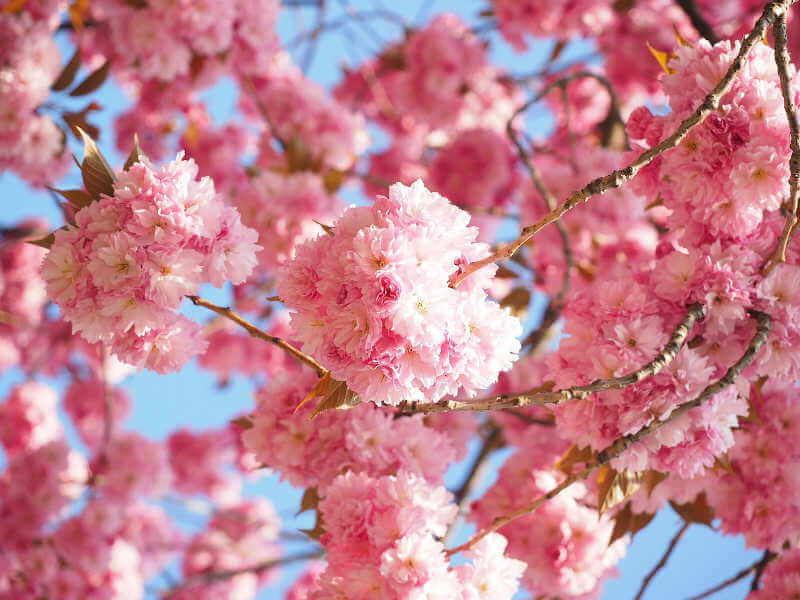
November is a crucial month for those who engage in gardening or farming. Moderate temperatures and autumn rainfall create ideal conditions for planting trees, favoring their rooting and rooted growth before the arrival of winter. In this article, we will explore the best tree species to plant in November, divided into categories and with practical tips to ensure healthy and lush growth.
Introduction: Why plant in November?
The choice to plant trees in November is motivated by favorable climatic conditions. During the fall, the soil still retains the heat accumulated during the summer, while the moisture provides the necessary support for root development. Planting during this time allows the trees to stabilize before the winter cold, making them stronger and ready for vegetative recovery in spring.
Which trees to plant in November?
1. Fruit trees
Fruit trees are an excellent choice for November, as they need a dormancy period to prepare for spring blooming.
Apple and pear trees
|
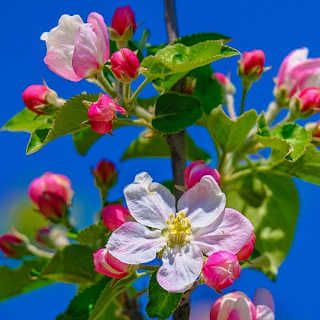
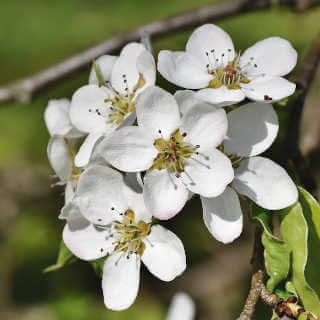
These trees adapt well to temperate and cool climates. The autumn period allows the roots to settle in soil that is still soft and rich in nutrients.
Cherry and apricot
|
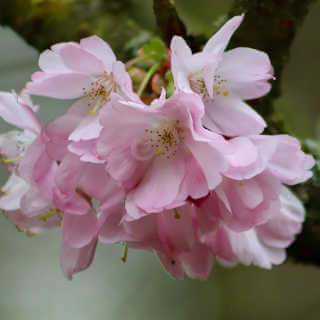
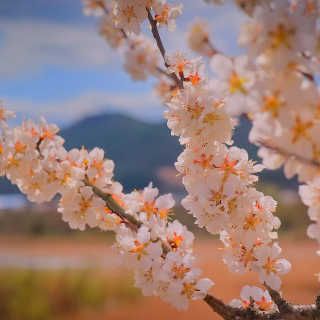
Although more delicate, cherry and apricot trees can be planted in November in areas with a mild climate. It is important to choose cold-hardy varieties to avoid damage to the buds.
Walnut and chestnut
|
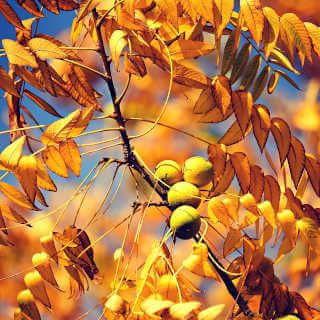
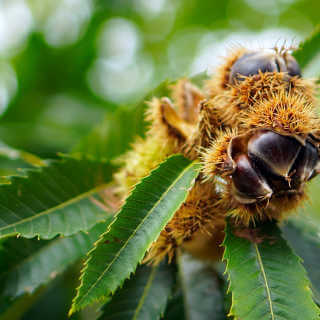
Ideal for well-drained and deep soils, these trees are planted in November to encourage slow but steady growth. Both are appreciated not only for the fruits, but also for the quality of the wood.
2. Ornamental trees
Ornamental trees, in addition to improving the aesthetics of the landscape, offer benefits such as shading and protection against the wind.
Oak and beech
|
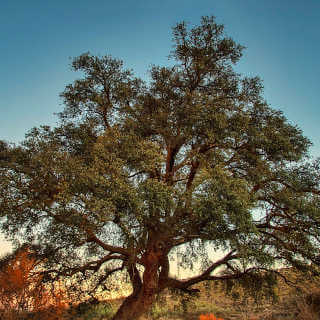
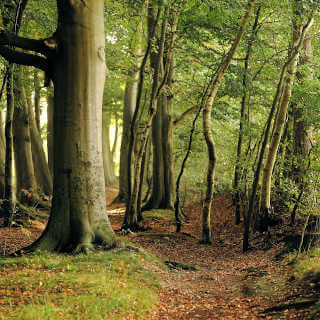
Long-lived and resistant species, oak and beech are perfect for those looking for trees that last over time. November is an ideal month to plant them, ensuring stable rooting.
Maples (Acer platanoides, Acer rubrum)
 |
Maple trees are known for their gorgeous fall foliage. Planting in November allows you to enjoy their beauty in a short time, especially in spacious gardens.
Birch
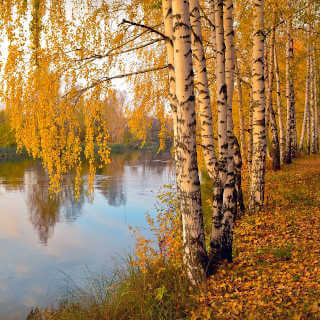 |
Birch, with its distinctive white bark, is another great option for November. It prefers fresh, well-watered soils.
3. Conifers
Conifers are evergreen trees that retain their charm throughout the year.
Fir and pine
|
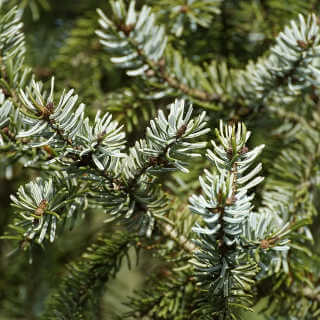
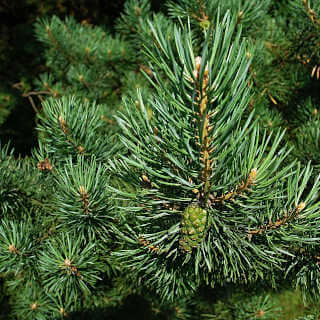
These trees are perfect for creating windbreaks or for beautifying mountain-style gardens. Planting them in November allows them to stabilize before the rigors of winter.
Cedar
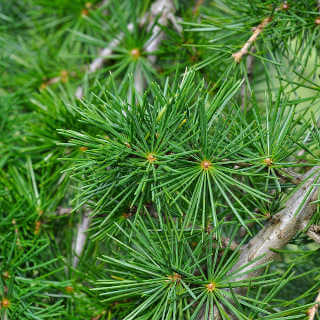 |
Durable and majestic, cedar offers an imposing presence in any landscape. It prefers mild and humid climates.
Planting Techniques
Soil preparation
To ensure good rooting, the soil must be tilled and enriched with compost or mature manure. This improves structure and provides essential nutrients.
Digging the hole
The planting hole should be wide and deep, at least twice the root ball of the tree. This promotes root growth and reduces the risk of waterlogging.
Positioning the shaft
Make sure that the tree collar (where the roots and trunk meet) is level with the ground. Cover the roots with potting soil and press gently to remove any air pockets.
Irrigation
After planting, water thoroughly to promote contact between the roots and the soil. Although November is a humid month, initial water is essential to activate rooting.
Common Pathologies of Trees Planted in Autumn
The main risks for trees planted in autumn
Although November is one of the best times for tree planting, it is important to pay attention to common pathologies that could compromise their development. Among these, the following stand out:
-
Root rot
Caused by fungi such as Phytophthora spp., root rot occurs in poorly drained soils or with stagnant water. Symptoms include yellowing of the leaves and slowed growth. -
Copper Cancer
This disease, caused by fungi of the genus Nectria or Cytospora, affects the branches, causing dryness and necrosis. It is especially common in wet and cold periods. -
Powdery mildew
This fungus, also known as "white mildew," attacks young leaves or new shoots during humid days followed by cool nights. It appears as a white powder on the leaf surface. -
Aphids and winter mealybugs
Although insect activity is reduced in winter, some wintering species can impair the future development of trees.
Prevention and solutions for diseases
To protect trees planted in November, it is essential to act promptly with specific products and preventive care. On perfarelalbero.it, there are numerous articles available to address these issues. Here are some effective solutions:
Against root rot
-
Haifstim Vim S: A biostimulant that improves root system health and promotes rapid recovery.
-
Trichoderma (e.g. Rhizocore): an antagonistic fungus that prevents the development of Phytophthora spp. and other soil pathogens.
For Copper Cancer
-
A copper-based treatment to disinfect wounds and prevent fungal infection. It is advisable to view the product label and check the registration on the crop used.
-
Dentamet: a copper and zinc-based fertilizer useful for strengthening tissues.
To combat powdery mildew
-
Wettable sulphur: a natural product to eliminate white mildew. Always check that the crop to be treated is present on the label.
Against aphids and mealybugs
-
Soybean oil: ideal for winter treatments that suffocate overwintering insects.
-
Epik SL: a systemic insecticide also suitable for applications on young trees. Always check that the crop to be treated is present on the label.
Practical advice to avoid pathologies
-
Prepare the soil: Make sure the soil is well-drained. You can improve it by adding organic soil conditioners such as Agrilombrico.
-
Monitor regularly: Even during the winter, check for any symptoms of stress or infection.
-
Fertilize in moderation: Choose balanced fertilizers such as Entec NP 25-15, ideal for supporting development without forcing.
Planting a tree in November is a gesture that requires attention but can bring great satisfaction. With the right care and suitable products, available on perfarelalbero.it, your trees will be protected and ready for lush growth!
Would you like to receive our advice? Subscribe to our Newsletter - 8% discount now for you
|
FAQ (Frequently Asked Questions) about Trees to Plant in November
Can I plant potted trees in November?
- Yes, potted trees can be planted year-round, but November remains one of the best times due to the climatic conditions.
How long does it take for a tree to take root?
- It depends on the species. Generally, it takes a tree 1-2 months to stabilize its roots before winter.
Which trees to avoid planting in November?
- Avoid tropical or cold-sensitive species, such as some varieties of citrus fruits, which can suffer from low temperatures.
Should I protect trees planted in November from frost?
- In harsh winters, protect the base of the tree with a mulch of leaves or bark to insulate the roots from frost.
Is it necessary to fertilize immediately after planting?
- No, it is better to wait until spring to provide fertilizers. In autumn, soil rich in organic matter is usually sufficient.
Share this content









 Chronology
 Citrus fruits
 Turf
 Stone fruit
 Olive tree
 Ornamental
 Vegetables
 Actinidia (Kiwi)
 Screw
 Hobbies and insights
 Pome Fruit


