
Your cart
There are no more items in your cart
What to do after pruning? Good practices to be carried out
Categories :
, Chronology
Index
How to protect plants after pruning?
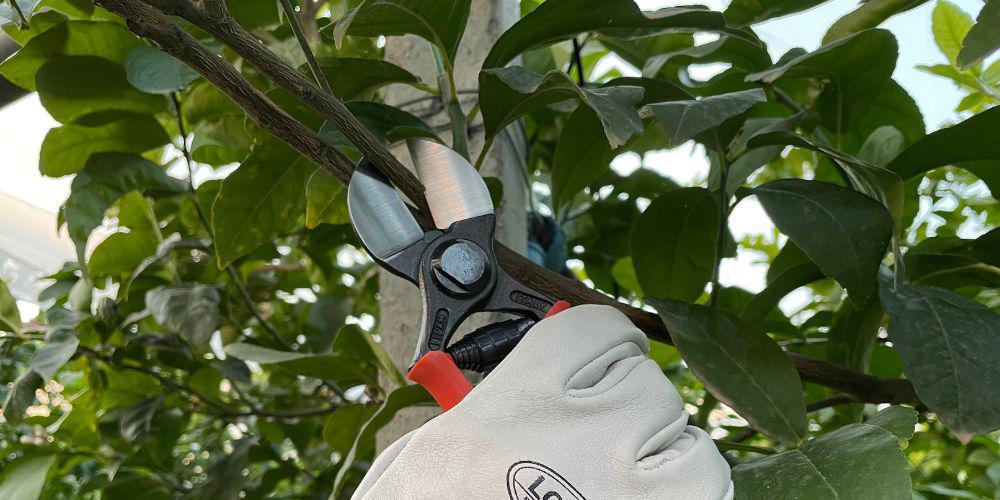
Pruning is a fundamental practice to ensure good health for the plant, as well as quality and quantity of production.
However, plants undergo a lot of stress after cutting and, for this reason, they are particularly susceptible to pathogen attack during post-pruning. In this article, we will explain what to do after pruning and how to heal plant wounds.
What is pruning used for?
The primary purpose of tree pruning is to create balance between the aerial part and the root part of the plant.
Thanks to this agronomic practice, we will also be able to orient the lymphatic channels of the plant, to allow a balanced distribution of the linfa and, therefore, a well-deferred nourishment on all parts of the plant itself.
With pruning, superfluous or poorly positioned branches are eliminated , leaving each branch, small or large, its own living space, improving ventilation to enjoy the light rays, source of energy and raw material of chlorophyll photosynthesis.
However, if on the one hand pruning will benefit the plant, on the other hand in the phase immediately following cutting ( post-pruning phase) the plants undergo strong stress and, therefore, are much weaker and susceptible to attacks.
What to do after pruning?
Would you like to receive our advice? Subscribe to our Newsletter - 8% discount now for you
|
|
How to protect plants after pruning?
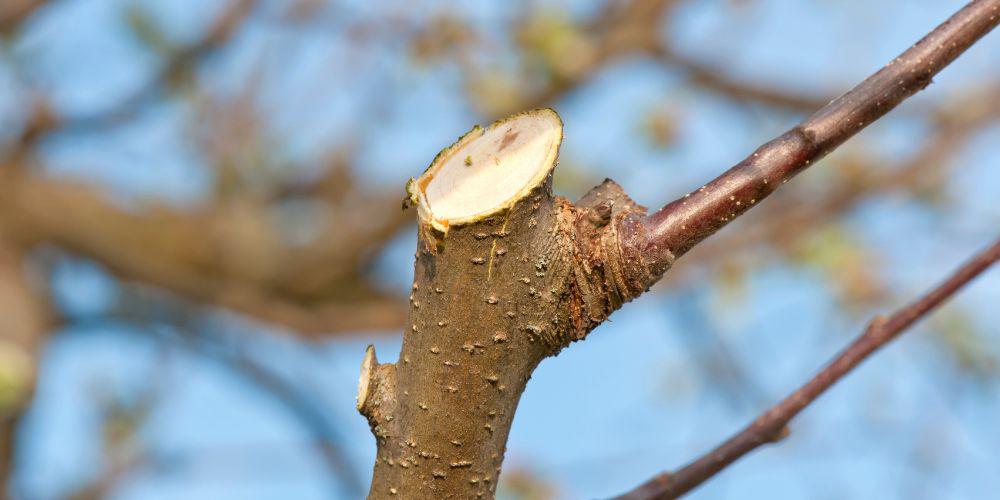
In general, we can identify three types of pruning:
- Breeding pruning, with which we give the plant the chosen shape, which is functional to the crop and the good economic result of the cultivation.
- Reform or rejuvenation pruning, with which the form of training of the aerial system is modified through the gradual elimination of large branches to improve lymphatic circulation and extend the productive life of the plant itself;
- Management or maintenance pruning , in which less coarse cuts are made than the previous pruning and the fruiting branches that will bear flowers and fruit in the following year are selected, eliminating suckers, suckers, overlapping dichotomous branches or those that hinder each other and dry
Let's start by saying that, regardless of the type of pruning carried out, it is always a good idea to disinfect tools, because they are one of the first vehicles for the transmission of pathogenic bacteria and fungi from one plant to another. You can use specific protective and sanitizing products for blades and chains , such as Bladeup 250 or Cutosan .
Subsequently, it will be appropriate to heal the wounds through targeted interventions.
The use of copper
In recent years, bacteria and viruses have taken on a very significant presence and danger and wounds are the gateway for these enemies of plants.
Once the pruning operation has been completed, therefore, it is advisable to proceed with total disinfection through a targeted treatment with copper-based products, such as Cobre nordox, which can persist on the vegetation for a long time.
In post-pruning treatments, copper is used for its fungicidal action and prevention of bacterial diseases.
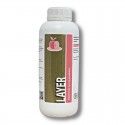
However, copper products act by contact, exposing themselves to the limit of easy washout. To increase the effectiveness of their action and the persistence of the fungicide on the treated surface, therefore, our advice is to integrate the treatment, adding a wetting and adhesive product such as LAYER Adhesive.
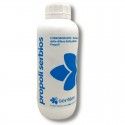
For a totally zero-residue solution, a strong resistance inducer and promoter of plant defenses such as agricultural PROPOLIS can be used, to which a strong corroborating and bactericidal action can also be added and the possibility of reducing the concentration of cupric.
A very common agronomic practice also in biodynamic agriculture is to carry out brushing, applying a mixture of propolis + copper to rather large cuts.
The doses to be used for 1 liter of water are:
- Propolis 10ml
- Cupravit Blue 10g
Given its characteristic as an important promoter of the development of natural defenses, propolis mixed with copper-based products, acts against pathogenic and bacterial attacks, where the possibility of fungi entering through wounds arises.
Propolis has the ability to promote both the healing of pruning wounds and those of a traumatic nature.
The use of putty for pruning
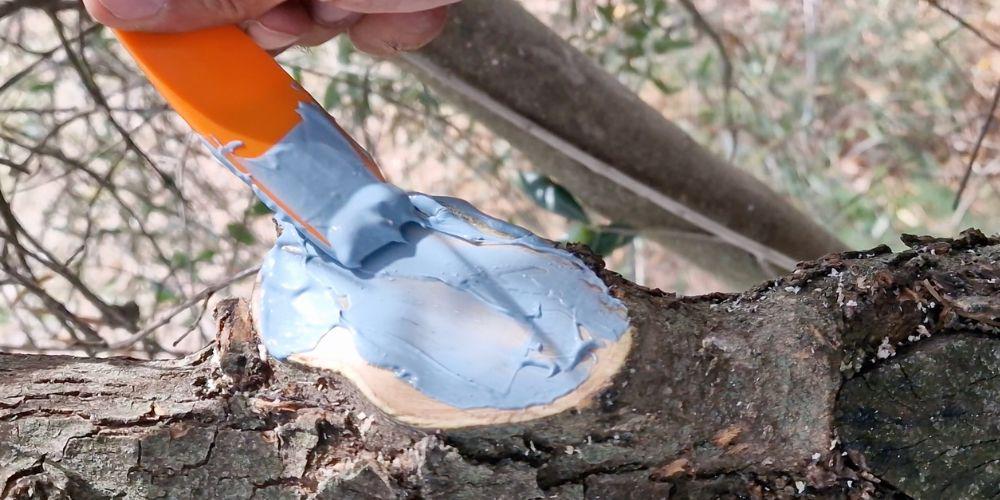
In the presence of cuts of a certain size, especially in the reformationor rejuvenation phase, our suggestion is to integrate the use of
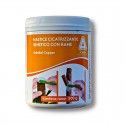
- pruning putty for wound healing
This specific product combines the characteristics of mastic with the beneficial effect of copper (synthetic resin + copper). Once applied to the cut, the mastic will form a protective and healing film,
Our advice is to use mastic after having carried out the interventions recommended in the previous paragraph, in order to shield the disinfectant activity of copper and/or propolis
Share this content




 Chronology
 Citrus fruits
 Turf
 Stone fruit
 Olive tree
 Ornamental
 Vegetables
 Actinidia (Kiwi)
 Screw
 Hobbies and insights
 Pome Fruit


