
Your cart
There are no more items in your cart
The importance of organic matter in agriculture
Categories :
, Chronology
, Hobbies and insights
Index
Humus: the natural asset that enriches the soil
The benefits of humus for soil and crops
Humus as a habitat for soil biota
How to increase organic matter in soil
Humus and carbon sequestration
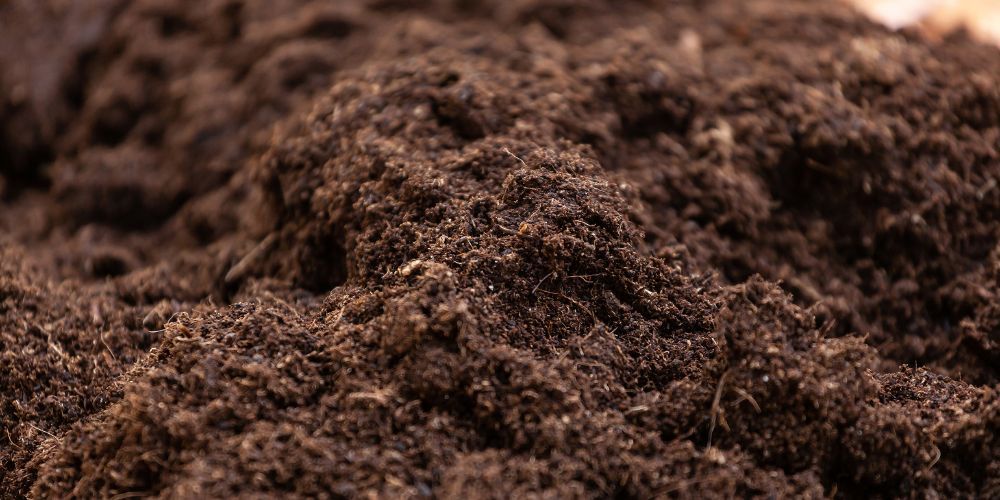
Humus: The Natural Heritage that Enriches the Soil
Humus is a complex, rich compound of living and nonliving organic matter that is essential to the fertility of agricultural soil. This essential element is the "life" of arable soil and plays a key role in the transfer of nutrients from soil to plants. The richness of organic matter in soil is nothing more than the result of a process of decomposition and reworking that gives rise to humus.
The Benefits of Humus for Soil and Crops
Soil rich in humus offers many benefits:
- Fertility and productivity: Humus is a natural indicator of soil fertility, improving crop yields.
- Pollution reduction: Humus' ability to bind minerals and decompose chemicals helps reduce chemical pollution, improving groundwater quality.
- Improved soil characteristics: Thanks to humus, soil retains water better, promoting good water retention that helps plants survive dry spells.
Humus as a Habitat for Soil Biota
Humus provides nourishment and shelter for the microorganisms that make up the Soil Biota, an ecosystem critical to plant health. Biota consists of bacteria, fungi, algae and small organisms that improve nutrient availability in the soil and strengthen plants' natural defenses.
How to Increase Organic Matter in the Soil
Increasing organic matter content is essential to enrich the soil and promote humus formation. Here are some effective practices:
- Green manure and manuring: These traditional methods return organic matter to the soil naturally.
- High-quality organic fertilizers: There are several effective products on the market to enrich the soil. Some examples include:
- Prodigy Plus: Fertilizer with slow-release nitrogen (7 percent), phosphorus, potassium and a high organic matter content (85 percent).
- Yarasuna Rigoglio: NPK (8-5-5) organo-mineral fertilizer with added calcium (11 CaO) and about 33% organic matter.
Humus and Carbon Capture
Humus also plays an important ecological role by contributing to the reduction of greenhouse gases. Organic matter decomposes into humus and puts carbon dioxide back into the life cycle, helping to maintain ecosystem balance and reduce the greenhouse effect.
Want to receive our tips? Sign up for our newsletter - 8% discount right away for you
|
Final reflections
Humus, however studied, remains a compound whose composition is not fully defined, just like Life itself. This unique substance, precursor to life on the planet, invites us to rediscover our connection with nature. Recognizing the value of humus also means recognizing our uniqueness as part of a complex and interconnected ecosystem.
Share this content


 Chronology
 Citrus fruits
 Turf
 Stone fruit
 Olive tree
 Ornamental
 Vegetables
 Actinidia (Kiwi)
 Screw
 Hobbies and insights
 Pome Fruit


