
Your cart
There are no more items in your cart
Plumbago: How to grow blue jasmine
Categories :
Chronology
, Ornamental
Index
Plant characteristics
Exposure and climate
Land and irrigation
Pruning
Fertilization
Multiplication
Diseases and pests
FAQs (Frequently Asked Questions) on how to grow Plumbago
 |
Plumbago, commonly known as blue jasmine, is a well-loved climbing plant for its bright blue flowers and its ability to climb structures such as pergolas, walls, and fences. Not only does this plant add a touch of elegance to your garden, but it's also hardy and easy to grow. Native to tropical and subtropical areas, Plumbago auriculata is perfect for those who want a fast-growing plant that requires little maintenance.
Plant characteristics
The Plumbago belongs to the Plumbaginaceae family and is known for its clusters of trumpet-shaped blue flowers, which bloom from spring to autumn. This evergreen plant has oval leaves that are light green in color and can grow both as a climber and as a bush, depending on how it is grown. Thanks to its tendency to grow quickly, the Plumbago can reach 4-5 meters in height, making it ideal for covering large spaces in a short time.
How to grow Plumbago
1. Exposure and climate
Plumbago is a sun-loving plant. To achieve abundant flowering, it is crucial to place it in an area of the garden where it can receive at least 6-8 hours of direct sunlight per day. It fears frost and temperatures below 5°C, so in regions with harsh winters it is advisable to grow it in pots, so that it can be moved to a protected environment during the cold season.
2. Land and irrigation
Blue jasmine does not have any special needs in terms of soil, but prefers well-drained soil rich in organic matter. It is important to avoid waterlogging, which can cause root rot. As for watering, the Plumbago requires regular watering, especially in the warmer months, without ever overdoing it. During the winter, watering must be reduced.
3. Pruning
Being a vigorous plant, the Plumbago needs periodic pruning to maintain an orderly shape and stimulate the growth of new branches. Pruning should be done in late winter, cutting off dry or damaged branches and shortening longer ones to promote flowering. This way, the plant will retain a harmonious appearance and continue to grow in a controlled manner.
4. Fertilization
To promote continuous and abundant flowering, it is useful to administer fertilizer for flowering plants once a month, during the growing season. With this fertilizer also rich in phosphorus and potassium it will help support the development of flowers.
5. Multiplication
Plumbago can be multiplied by cuttings or sowing. Cutting is the simplest method and guarantees an excellent success rate. Cuttings should be taken in the spring or summer and planted in a light, draining substrate. After a few weeks, the roots will begin to develop and the new seedlings can be transplanted.
6. Diseases and pests
Plumbago is generally a hardy plant, but it can be attacked by aphids and mealybugs. These parasites can be counteracted with neem oil or soft soap treatments. It is important to monitor the plant regularly to avoid infestations.
Biological Defense of Plumbago: Effective Strategies Against Insects and Fungi
Plumbago, a plant prized for its beautiful blooms, can be subject to various attacks by insects and fungal diseases. To ensure a natural and effective defense, it is possible to adopt organic strategies, using products that respect the environment and the health of the plant. In this article, we'll explore the simplest solutions for those who don't have much experience, offering practical tips for dealing with the most common problems caused by insects and fungi.
1. Biological defense against insects
Insects such as aphids and other pests can compromise the health of the Plumbago, slowing growth and damaging flowers and leaves. Fortunately, there are natural solutions based on nettle extract that not only repel insects, but also improve the plant's resistance.
- Ready-to-use products: If you have few potted plants or want a simple approach, you can use ready-made products such as CIFOTRIS BIO, which offers a combined action against insects and fungal diseases. It is easy to apply and does not require dilution, perfect for those who want immediate results without complications.
- Products to be diluted: If you grow more plants or have a larger garden, you can opt for products to be diluted such as nettle extract, which has an excellent repellent action against aphids. Dilute the product according to the directions on the package and apply it regularly to prevent infestations on a larger leaf surface.
2. Defense against fungal diseases
Fungal diseases such as powdery mildew and rust are common problems in Plumbago plants, especially in high humidity conditions. To combat these diseases, it is possible to adopt a biological strategy using sodium bicarbonate or more targeted solutions.
- Ready-to-use products: For those who prefer ready-made products, Armicarb Spray is an excellent solution. This baking soda fungicide is simple to use and effectively fights fungal spores on the leaves and flowers of Plumbago, keeping the plant healthy and thriving.
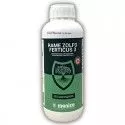
- Products to be diluted: If you have many plants or need to treat a large area, we recommend a copper and sulfur-based fungicide such as Copper Sulfur Ferticus 3, to be diluted at a dose of 30 ml per 10 liters of water. This product is very effective in preventing and treating fungal diseases such as powdery mildew, ensuring complete protection on plants grown in the ground.
3. Practical tips for managing Plumbago
Small potted plants: Use ready-to-use products such as CIFOTRIS BIO or Armicarb Spray, applying them regularly to keep the plants free of pests and diseases.
Plants in the ground or larger gardens: Opt for diluted solutions such as nettle extract against insects or Copper Sulfur Ferticus 3 for fungal protection, treating the entire leaf surface evenly for better results.
In conclusion, the biological defense of Plumbago can be simple and effective even for those who do not have much experience. With the use of natural products and appropriate techniques, it is possible to keep the plant healthy and vigorous throughout the season.
Would you like to receive our advice? Subscribe to our Newsletter - 8% discount now for you
|
FAQs (Frequently Asked Questions) on how to grow Plumbago
When is the best time to plant Plumbago?
The ideal time to plant Plumbago is spring, when the risk of frost has passed and temperatures are mild. This way, the plant has plenty of time to adapt and grow vigorously during the hot season.
Can Plumbago be grown in pots?
Yes, Plumbago can be grown in pots, as long as you first use a seedbed or a large enough container and well-drained potting soil. Growing it in pots is an ideal choice for those who live in areas with cold winters, as it allows you to move the plant to shelter when necessary.
How long does it take for Plumbago to flower?
Blue jasmine begins to bloom as early as the first year after planting, as long as it is grown in optimal conditions of sun and irrigation. Flowering lasts throughout the summer and can last until late autumn.
Does the Plumbago need climbing supports?
When grown as a climber, Plumbago requires a stand to climb on, such as a trellis or pergola. Without support, it will tend to grow bushier, staying shorter.
How do you care for Plumbago in winter?
In regions with mild winters, the Plumbago can remain outdoors, but it is advisable to cover it with a TNT-based protective sheet in case of particularly cold temperatures. In colder areas, it is preferable to move it to a sheltered place or grow it in pots, so that you can bring it indoors during the colder months.
Share this content








 Chronology
 Citrus fruits
 Turf
 Stone fruit
 Olive tree
 Ornamental
 Vegetables
 Actinidia (Kiwi)
 Screw
 Hobbies and insights
 Pome Fruit


