
Your cart
There are no more items in your cart
Anthurium: what plant is it and how to care for it
Categories :
Chronology
, Ornamental
Index
What is Anthurium?
Plant characteristics
How is Anthurium treated?
Pests and diseases
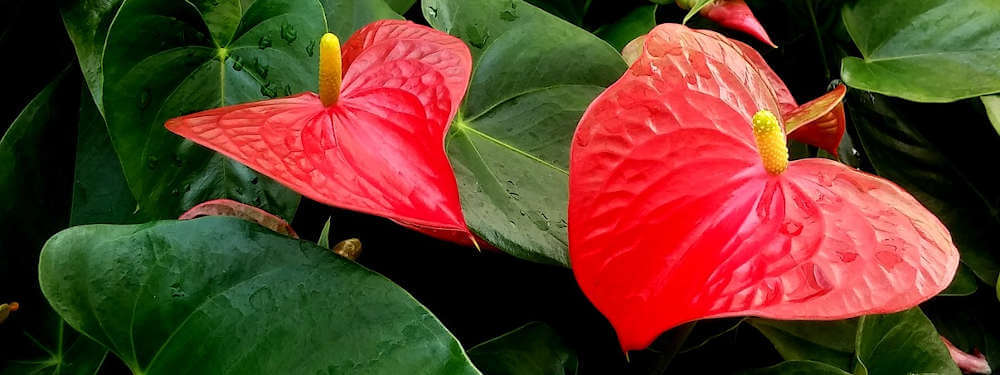
Anthurium is one of the most beloved houseplants for its exotic aesthetics and its elegant and bright leaves, often accompanied by red, white or pink inflorescences. This plant, native to the tropical forests of Central and South America, is also known as the "plastic flower" because of the waxy appearance of its flowers. But the Anthurium is much more than just a decorative plant: it requires specific attention to stay healthy and continue to bloom over time. In this article, we will delve into what Anthurium is, what its botanical characteristics are, and how to care for it effectively.
What is Anthurium?
Anthurium belongs to the Araceae family, a large group of plants that includes over 1,000 species. Its name derives from Greek and means "flower with tail", a reference to its characteristic inflorescence, formed by a colored spaspa and a central inflorescence called spadix. Among the most common species of Anthurium we find:
Anthurium andraeanum: the best known species, with red and shiny spathes.
Anthurium scherzerianum: A variety with more coiled flowers and spathes that vary from red to orange.
Anthurium clarinervium: known for its heart-shaped leaves with marked white veins.
In nature, Anthurium grows as an epiphytic plant in rainforests, which means that it grows on top of other plants or trees without being parasitic, absorbing moisture from the air and its surroundings.
Would you like to receive our advice? Subscribe to our Newsletter - 8% discount now for you
|
|
Plant characteristics
Leaves and flowers
The leaves of the Anthurium are broad, shiny and heart-shaped, with a waxy texture that contributes to its aesthetic appeal. These leaves, often dark green, can also grow to a considerable size, making the plant a scenic presence in any environment.
The flower of the Anthurium, often mistaken for the colored spathe, is actually the inflorescence composed of a thin spadix surrounded by this bright leafy structure. The colors of the spade vary from bright red, to white, to pink, up to darker shades such as purple.
Growth
In ideal conditions, Anthurium can grow up to 90 cm tall, although most houseplants tend to maintain a more compact size. Due to its tropical origins, the Anthurium prefers a warm and humid environment, much like that of rainforests.
How is Anthurium treated?
Caring for Anthurium is not particularly complex, but it does require attention to factors such as light exposure, watering , and substrate. Here are some tips to ensure a long and healthy life.
1. Light exposure
The Anthurium loves bright but indirect light. Avoid exposing it directly to sunlight, as the leaves can burn quickly. The ideal location is near a bright window, shielded by light curtains, or in an artificially lit environment. If the plant receives little light, it could reduce flower production, while excessive exposure to direct sun can lead to yellowing of the leaves.
2. Temperature and humidity
Being a tropical plant, the Anthurium prefers mild temperatures, between 18 and 28 °C. Avoid exposing it to cold drafts or sudden changes in temperature, which can stress the plant and compromise flowering.
Humidity is another crucial factor: Anthurium thrives in humid environments, with a humidity rate of 60-80%. If the air in your home is too dry, you can increase the humidity by regularly spraying water on the leaves or placing the plant near a humidifier. Another solution is to place the pot on a tray filled with pebbles and water, so that the evaporation provides the right moisture.
3. Watering
Watering is crucial for keeping your Anthurium healthy. It's important to keep the soil moist, but not soggy. The substrate must be well drained to avoid waterlogging, which can cause root rot. In general, it is recommended to water the plant once a week in the summer and slightly reduce watering during the winter. Always check the soil before watering: if it is still moist, wait a few days before adding water.
4. Soil and fertilization
Anthurium requires light, well-drained soil, ideal for epiphytic plants. A mixed substrate, consisting of orchid soil or a mixture of peat, perlite and bark, offers good drainage and an adequate supply of nutrients.
To promote flowering, it is useful to apply a liquid fertilizer for flowering plants once a month during the growing season (spring-summer). Reduce or stop fertilizing in the fall and winter, when the plant enters a vegetative dormant phase.
5. Repotting
Anthurium should be repotted every 2-3 years, preferably in early spring. When repotting, be sure to choose a pot that is slightly larger than the previous one, keeping the same type of draining soil. If the roots seem too compact or growing beyond the pot, it's time to change it.
6. Cleaning and pruning
To keep the Anthurium in perfect condition, it is advisable to wipe the leaves with a damp cloth to remove dust and residue that can prevent proper photosynthesis. Pruning is not necessary, except to remove yellowing or damaged leaves. Cut with clean scissors, near the base of the plant, to avoid infection.
7. Pests and diseases
Anthurium can be prone to pests such as aphids, mites, or mealybugs. To prevent infestation, inspect the plant regularly and use a Neem Oil-based repellent spray against the most common pests, if you notice signs of pests, you can treat it with insecticidal soap or linseed oil solutions.
Among the most common diseases are root rot caused by excessive humidity or waterlogging. Make sure you don't overwater and ensure good drainage. Also in this phase, prevention plays a decisive role, in fact it is advisable to periodically intervene with a mycorrhiza-based compound that prevents and strengthens the plant from any fungal onset, and spray the plants with propolis-based products alternating with potassium bicarbonate-based products.
Anthurium is a spectacular plant that, with the right care, can bloom for years and add a tropical touch to your home. Indirect light, careful watering, well-drained soil , and a moist environment are the key factors in keeping this plant healthy and vigorous. By following these simple tips, you will be able to enjoy its glossy leaves and vibrant flowers for a long time, making your space greener and more welcoming.
Share this content







 Chronology
 Citrus fruits
 Turf
 Stone fruit
 Olive tree
 Ornamental
 Vegetables
 Actinidia (Kiwi)
 Screw
 Hobbies and insights
 Pome Fruit


