
Your cart
There are no more items in your cart
Nasturtium: Cultivation and General Characteristics
Categories :
Chronology
, Ornamental
Index
General Characteristics of Nasturtium
Nasturtium cultivation
Frequently Asked Questions about Nasturtium
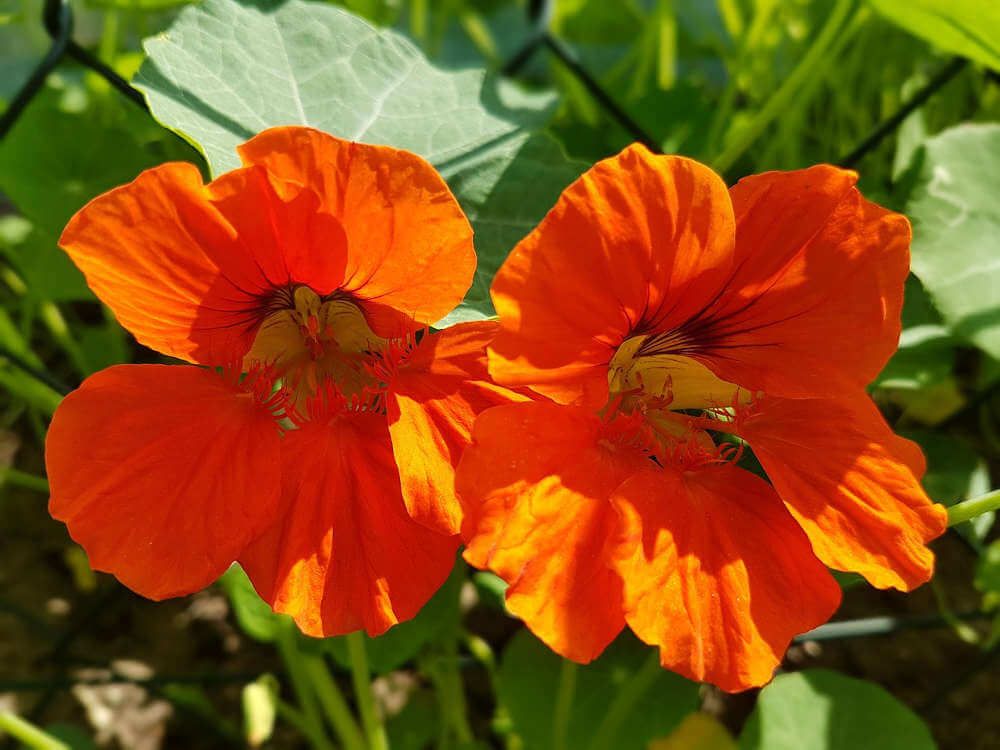 |
Nasturtium (botanical name Tropaeolum majus), also known as the "Capucine flower", is an ornamental plant widely cultivated for its vibrant flowers and characteristic shaped leaves. In addition to its aesthetic value, this plant is edible and often used in cooking to decorate dishes or to add a touch of flavor to salads. Growing nasturtium is relatively simple, and due to its versatility and hardiness, it can thrive in various environments. Below we will explore in detail the general characteristics of nasturtium and the most effective techniques for its cultivation.
1. General Characteristics of Nasturtium
Nasturtium belongs to the Tropaeolaceae family and is native to South America, particularly the Andean regions. It is a herbaceous plant, mostly annual, but in some hot climates it can behave as a perennial. Its key features include:
- Flowers: Nasturtium flowers are large, funnel-shaped, and come in a variety of colors, including red, orange, yellow, and cream. These flowers bloom throughout the summer and into early autumn. Each flower has five petals, and some have streaks or veins that add extra visual appeal.
- Leaves: The leaves are round, slightly lobed and somewhat reminiscent of lotus flowers. Their surface is hydrophobic, which means that it repels water, creating a fascinating visual effect during rain.
- Fruits and Seeds: The seeds of nasturtium are large and wrinkled, and are often used for later planting or can be stored for years in a dry, cool environment.
- Height: Depending on the variety, nasturtium can grow up to 30-50 cm tall, but some climbing species can extend much further, reaching up to 2 meters.
Nasturtium is known not only for its beauty, but also for its edibility. The leaves have a tangy taste similar to watercress, while the flowers are sweet and spicy at the same time, often used as culinary decorations. The seeds can be used as a substitute for capers when pickled.
Would you like to receive our advice? Subscribe to our Newsletter - 8% discount now for you
|
|
2. Nasturtium cultivation
1. Choice of Terrain
Nasturtium is a plant that prefers well-drained and poor soils. In fact, soil that is too rich in nutrients stimulates excessive leaf growth to the detriment of flowering. If grown in gardens with too fertile soil, flowers may be scarce. It is therefore recommended to choose a moderately poor and slightly acidic substrate, with a pH between 6 and 7.
2. Exposure
This plant loves full sun, but can also tolerate partial shade, especially in particularly hot areas. Nasturtium is a plant that benefits from at least 6 hours of direct sunlight per day to produce abundant flowers. In environments that are too shady, the plant tends to develop a large amount of leaves, but few flowers.
3. Planting
The sowing of nasturtium can be carried out directly at home or in pots. Nasturtium seeds are relatively large and easy to handle, making them ideal for beginner gardeners.
- Sowing in the ground: It is recommended to sow in early spring, when night temperatures stabilize above 10°C. The planting depth should be about 1-2 cm, and the distance between seeds should be 20-30 cm for compact varieties and up to 50 cm for climbing varieties.
- Sowing in pots: Growing in pots is also a viable option for those with limited space. Use pots with good drainage, preferably filled with a mixture of potting soil, mycorrhiza and sand to promote aeration and root care.
4. Watering
Although Nasturtium is a hardy plant, it needs proper watering to thrive. During the summer period and especially in warmer climates, it is important to keep the soil moist, but never too wet. Too frequent watering can lead to waterlogging, favoring the appearance of fungal diseases such as gray mold. It is recommended to water regularly, waiting for the soil to dry out between waterings.
As mentioned above, it is an excellent agronomic practice to add a biological product based on mycorrhizal fungi to the soil or in common irrigation, these capable of creating a defense both at the root level and subsequently at the leaf level; As mycorrhiza exert a defense capacity as well as activation and development of various beneficial properties of the plant. The product we recommend is Micosat F Uno which can be granular during the spring period or after the summer, in the wettest periods.
5. Fertilization
As mentioned, nasturtium does not like soils that are too rich in nutrients. It is sufficient to fertilize once a month with a balanced liquid fertilizer or, alternatively, mix the soil with some mature compost at the beginning of the growing season, excellent in mixture with mycorrhizae. Excessive nitrogen intake promotes leaf development at the expense of flowers, so it is important to moderate the use of fertilizers.
6. Pruning and Maintenance
Nasturtium requires very little care in terms of pruning. During the growing season, it is recommended to remove withered flowers to stimulate the production of new buds and keep the plant healthy. In climbing varieties, it is possible to guide the shoots using supports such as grids or nets. If left unsupported, climbing nasturtiums can cover large areas of the garden, making them useful as ground cover plants.
The right shear for pruning nasturtium is the 300L 19 cm ARS.
7. Seed Harvesting
One of the most appreciated characteristics of nasturtium is the ability to easily harvest seeds for planting the following year. When the flowers wither, they produce green fruits that, when ripe, dry out and fall to the ground. The seeds can be harvested and stored in a cool, dry place until the following spring.
3. Frequently Asked Questions about Nasturtium
1. How long does it take for nasturtium to germinate?
Nasturtium takes about 7-10 days to germinate, provided that temperatures are above 10°C. In optimal conditions, seedlings grow quickly and can begin flowering within 8 weeks of planting.
2. Can nasturtium grow in pots?
Yes, nasturtium is an ideal plant for growing in pots. You need to choose a container that is large and deep enough to allow the roots to expand. Make sure the pot has good drainage to prevent waterlogging.
3. Is nasturtium resistant to disease?
Nasturtium is generally a hardy plant, but it can be prone to attacks by aphids, which are mainly concentrated on young shoots. To keep these parasites under control, it is possible to use organic remedies such as Organic Nettle-based Cifotris or products with mechanical action such as soft soap diluted in water. If you have not been able to act in prevention and there is a strong attack of aphids or other parasites, we recommend AMP 2 ready-to-use insecticide product based on acetamiprid.
4. How long does the flowering of nasturtium last?
The flowering period of nasturtium can last several months, from spring through to autumn, as long as the right amount of sunlight and water is provided. Cutting off withered flowers further stimulates the production of new buds.
5. Does nasturtium tolerate cold?
As a plant native to warm climates, nasturtium does not tolerate temperatures below 5°C. In regions with cold winters, it is recommended to grow it as an annual plant, or protect it with adequate cover during the coldest months.
Share this content






 Chronology
 Citrus fruits
 Turf
 Stone fruit
 Olive tree
 Ornamental
 Vegetables
 Actinidia (Kiwi)
 Screw
 Hobbies and insights
 Pome Fruit


