
Your cart
There are no more items in your cart
How to grow tricolor jasmine
Categories :
Chronology
, Ornamental
Index
Remedies for diseases and pests
Multiplication of tricolor jasmine
FAQs on how to grow tricolor jasmine

Tricolor Jasmine is an ornamental plant prized for its variegated foliage and fragrant flowers. Its leaves are characterized by shades of white, green and pink, which make this plant unique and fascinating for gardens, balconies and terraces. Growing this strain requires some special care to ensure lush growth and abundant flowering.
Introduction
Tricolor jasmine (Jasminum polyanthum 'Tricolor') belongs to the Oleaceae family. This climbing plant is ideal for growing in the garden or in pots. With proper cultivation, jasmine can grow in height and width, covering surfaces and creating a very pleasant natural spectacle.
Ideal climatic conditions
Jasmine Tricolor prefers a temperate-warm climate. It is a resistant plant, but during the winter periods with too cold temperatures it could suffer. For this reason, it is advisable to grow it in places where temperatures do not drop below -5°C. In areas with a colder climate, it is preferable to plant jasmine in pots to protect it during the winter.
Light exposure
Tricolor jasmine needs plenty of sunlight. Its ideal location is in full sun or in an area that receives at least 4-6 hours of direct sunlight per day. Good exposure to light promotes the production of brightly colored leaves and abundant flowering. However, it is also important to avoid excessive exposure to the sun during the hottest hours of the day, especially in the summer months, to prevent sunburn to the leaves.
Soil and fertilization
The choice of soil is essential for the cultivation of tricolor jasmine. This plant prefers well-drained soil , rich in organic matter and with a slightly acidic pH of 6 to 7. It can be helpful to prepare a substrate by mixing universal soil with sand and peat moss to aid water drainage.
As far as fertilization is concerned , it is recommended to use a balanced fertilizer, preferably based on nitrogen, phosphorus and potassium, which help support the growth of the plant and the production of flowers. Fertilization should be carried out starting in spring, when the plant resumes its vegetative activity, and continue until autumn. It is recommended to fertilize every 15-20 days with a liquid fertilizer diluted in the irrigation water or use a slow-release granular fertilizer for a gradual release of nutrients.
Irrigation
Watering the tricolor jasmine must be regular but without excess. During the growing season, from spring to autumn, the soil must be kept slightly moist, but avoiding waterlogging that can damage the roots. In summer, especially in warmer periods, it may be necessary to increase the frequency of irrigation. In winter, on the other hand, it is advisable to reduce irrigation to prevent the soil from remaining too wet. An easy way to tell when to water is to check the surface of the soil: if it feels dry to the touch, it's time to add water.
Planting and transplanting
The planting of tricolor jasmine can be done in spring or autumn. If you intend to grow it in pots, it is important to choose a container of the appropriate size, which allows the roots to develop without restrictions. When transplanting, be sure to prepare the soil or substrate with draining material at the bottom of the pot, such as clay or pebbles, to prevent waterlogging.
If planted directly in the garden, it is good to dig a hole that is at least twice as wide and deep as the root ball of the plant. After placing the jasmine in the hole, fill it with soil and press lightly to remove any air pockets. Once the transplant is complete, water thoroughly.
Pruning and plant care
Pruning is an essential operation to keep your tricolor jasmine in shape and promote vigorous growth. Pruning should be carried out at the end of winter or early spring, before the vegetative restart. Dry, damaged, or weakly weak branches should be removed and longer ones shortened to promote compact plant growth.
During the growing season, light pruning can be done to maintain the desired shape and stimulate the production of new shoots. In the case of tricolor jasmine grown as a climbing plant, it is helpful to provide support such as a trellis or vertical structure to help the plant climb.
Would you like to receive our advice? Subscribe to our Newsletter - 8% discount now for you
|
|
Remedies for diseases and pests
Tricolor jasmine is an ornamental plant prized for its colorful foliage, but it can be prone to several diseases. The main pathologies that affect it can be classified according to the type of causative agent: fungi, insects and other diseases. Here is a detailed list of the most common diseases, with practical solutions for prevention and treatment.
- Fungal diseases
- Powdery mildew
Description: It manifests itself as a white, powdery patina on the leaves, which slows down the growth of the plant and causes deformation.
Prevention and Care: Avoid excess moisture and improve air circulation around the plant. Treat with sulfur-based fungicides.
- Rust
Description: It presents with yellowish or reddish spots on the underside of the leaves, which can lead to their premature fall.
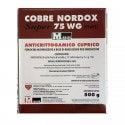
Prevention and Care: Avoid watering from above and remove infected leaves. Treat with copper-based fungicides .
- Root rot (Phytophthora spp.)
Description: It attacks the roots and collar of the plant, causing yellowing and wilting of the leaves.
Prevention and Care: Use well-drained soils and reduce overwatering. Treat with products containing Trichoderma or systemic fungicides such as fosethyl-aluminum.
- Insect attacks
- Aphids
Description: These small insects suck the linfa from the leaves, causing deformation and yellowing. Aphids can also transmit viruses to plants.
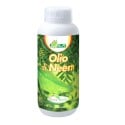
Prevention and Care: Use insecticidal soap or organic insecticides such as Neem oil.
The most common and useful predatory insect for fighting aphids on plants such as jasmine is the Ladybug (Coccinellidae), better known as the common ladybug. The larvae and adults of ladybugs feed on aphids, helping to naturally reduce infestations.
Other natural predators that are effective against aphids include:
- Chrysopidae (Chrysoperla carnea), known as "lacewing" or chrysopah, whose larvae are large consumers of aphids.
- Syrphidae (hoverflies), whose larvae feed voraciously on aphids.
- Aphidius colemani, a parasitoid that lays its eggs inside aphids, killing them.
Using these predatory insects can be a biological and sustainable solution to manage aphid infestations on plants such as jasmine.
- Cochineal
Description: These insects attach themselves to the leaves and branches, forming small waxy shields. Infested plants can suffer from reduced growth and dryness.
Prevention and treatment: Remove mealybugs manually or treat with white oil or systemic insecticides against coccynicly.
- Red spider mite
Description: A small mite that causes yellowing and dryness of the leaves, especially in hot and dry conditions.
Prevention and Care: Maintain adequate humidity and treat with specific acaricides or Neem oil. Good biological control with predatory insects is also helpful.
The most common and effective natural predator against spider mites on plants such as jasmine is Phytoseiulus persimilis, a predatory mite. This insect feeds specifically on spider mites and can help significantly reduce the population of these parasites in a biological way.
Other predatory insects useful against the red spider mite include:
- Amblyseius californicus, another predatory mite that is less specialized but still effective in controlling different types of mites, including spider mites.
- Chrysopidae (Chrysoperla carnea), which, in addition to feeding on aphids, can also prey on small mites.
The use of these natural predators is an environmentally friendly solution for the control of spider mites, particularly in organic farming contexts.
- Other pathologies
- Chlorosis
Description: Yellowing of the leaves caused by a deficiency of iron or other micronutrients in the soil, especially in alkaline soils.
Prevention and treatment: Improve soil quality by adding iron chelates or micronutrient fertilizers.
- Sunburn
Description: They occur when the plant is exposed to too much direct sun, with white or dry spots appearing on the leaves.
Prevention and care: Protect the plant from direct sun during the hottest hours and make sure it has a suitable position.
Multiplication of tricolor jasmine
The multiplication of tricolor jasmine takes place mainly by cuttings. The best time to do this is in spring or early summer. Young, healthy branches, about 10-15 cm long, are taken and cut obliquely just below a node.
The cuttings are then immersed in a rooting hormone solution and planted in a light and draining substrate, composed of peat and sand in equal parts. It is recommended to keep the substrate moist and to cover the cuttings with a clear plastic bag to create a moist environment that promotes rooting. Once the roots have developed, the young seedlings can be transplanted into individual pots.
FAQs on how to grow tricolor jasmine
1. Can tricolor jasmine be grown in pots?
Yes, tricolor jasmine can be grown both in pots and in the garden. It is important to choose a pot that is large enough with good drainage and to use potting soil that is rich in organic matter.
2. When is the best time to plant tricolor jasmine?
The ideal time to plant or transplant jasmine is in spring or autumn, when temperatures are mild and conducive to root development.
3. How often should tricolor jasmine be watered?
During the growing season, tricolor jasmine should be watered regularly, keeping the soil moist but not soggy. In winter, reduce watering and wait for the soil to dry out between waterings.
4. How can I prevent fungal diseases in Jasmine Tricolor?
To prevent fungal diseases, it is essential to ensure good drainage of the soil, avoid waterlogging and prune the plant regularly to promote air circulation between the branches.
5. When should tricolor jasmine be pruned?
The main pruning should be carried out at the end of winter or early spring. During the growing season, light pruning can be done to maintain the desired shape and stimulate the production of new shoots.
6. How to recognize an aphid infestation?
Aphids manifest as small green, black, or white insects on the surface of the leaves. The affected leaves tend to curl and turn yellow.
7. What to do if jasmine has yellow leaves?
Yellow leaves may be a sign of chlorosis or overwatering. Check soil drainage and apply an iron-based fertilizer if necessary.
8. Is it possible to treat mealybugs organically?
Yes, white oil or Neem oil are effective solutions for the biological treatment of mealybugs.
9. How to prevent sunburn on tricolor jasmine?
Place the plant in a partially shaded area and make sure it doesn't get too much direct light during the hottest hours of the day.
With the right prevention and proper treatments, tricolor jasmine can grow healthy and lush, avoiding the problems related to diseases and pests.
Share this content










 Chronology
 Citrus fruits
 Turf
 Stone fruit
 Olive tree
 Ornamental
 Vegetables
 Actinidia (Kiwi)
 Screw
 Hobbies and insights
 Pome Fruit


