
Your cart
There are no more items in your cart
How to Grow Roses
Categories :
Chronology
, Ornamental
Index
Types of Roses and Choice of Varieties

Roses are one of the most loved flowers in the world, a symbol of beauty, love and passion. Growing roses may seem complex, but by following a few key tips, you can achieve healthy plants and spectacular blooms. In this article, we will explore how to grow roses, focusing on the best care and maintenance practices for growing these wonderful flowers in your garden.
Types of Roses and Choice of Varieties
The choice of rose variety is crucial to get the most out of your grow. There are numerous species and varieties of roses that differ in shape, color, scent and habit. The main categories are:
- Bush roses: ideal for flower beds and borders.
|
|

- Climbing roses: perfect for covering walls, pergolas and grids.
|
|
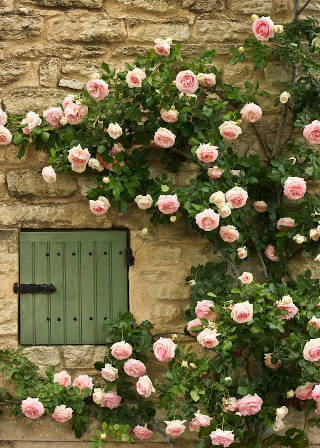
- Ground cover roses: suitable for creating flower carpets or covering areas of the garden.
|
|
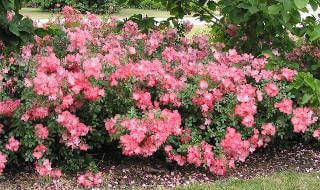
- Sapling roses: characterized by a long stem and flowers gathered at the top.
|
|
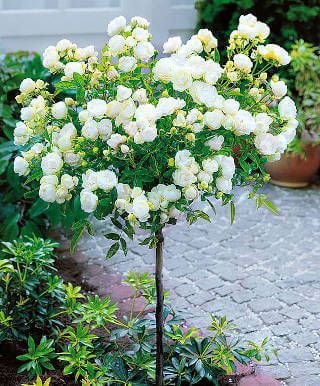
The choice of variety will depend on the space available and the style of the garden.
Ideal Terrain and Positioning
Roses thrive in organic-rich, well-drained, and slightly acidic soils (pH 6-6.5). To achieve ideal soil, you can mix the soil with compost and well-decomposed manure. Before planting, work the soil deeply, removing any stones and roots.
The placement of roses is crucial: plants need at least 6-8 hours of direct sunlight per day to bloom abundantly. It is important to choose a sunny and well-ventilated location, but avoid areas that are too exposed to strong winds.
Rose Planting
The planting of roses varies depending on the time of year:
- Autumn: ideal time for bare-root roses, so that the roots settle before spring.
- Spring: Suitable time for potted roses, when the soil has warmed up.
Would you like to receive our advice? Subscribe to our Newsletter - 8% discount now for you
|
Planting Process
- Preparing the hole: dig a hole about 50 cm wide and 40 cm deep. The hole must be large enough to comfortably accommodate the root system.
- Fertilization: add a handful of organic fertilizer to the bottom of the hole.
- Planting: Place the rose in the hole, making sure that the grafting point (the swollen part where the rose is grafted onto the rootstock) is slightly above ground level.
- Filling: Fill the hole with potting soil, compacting slightly to eliminate air pockets.
- Watering: Water thoroughly after planting to help settle the soil around the roots.
Care and Maintenance
Roses require regular care to thrive and produce abundant blooms.
1. Watering
Roses need regular watering but without excess. The amount of water depends on the climatic conditions and the type of soil:
- In spring and autumn, water once a week.
- In summer, increase the frequency to two to three times a week, particularly in periods of drought.
Avoid wetting the leaves when watering, as moisture on the leaves can promote the development of fungal diseases.
2. Fertilization
Roses are nutrient-demanding plants. It is advisable to fertilize at key times:
- Early spring: use a fertilizer rich in nitrogen, phosphorus and potassium.
- After the first flowering: administer a balanced fertilizer to stimulate a second flowering.
- Late summer: limit fertilization to allow the plants to enter vegetative rest.
3. Pruning
Pruning is an essential practice to maintain the shape of the plant and stimulate flowering. There are two main types of pruning:
- Winter pruning: it is carried out during the vegetative rest (late winter) by removing old, dry or diseased branches and shortening the main branches to about 20-30 cm from the ground.
- Summer pruning: This involves removing withered flowers to stimulate the production of new buds.
After pruning operations, it is always a good idea to carry out foliar interventions with copper-based products if it is a few plants or specific products diluted in water in the case of a larger number of rose plants such as Trio-Blu 3ERRRE, to disinfect the cuts and protect against any pathogenic attacks.
4. Protection from Diseases and Pests
Roses can be attacked by several diseases and pests, including:
- Powdery mildew: manifests itself as a white patina on the leaves. It is important to ensure good ventilation between plants and to treat with specific sulfur-based products if necessary.
- Aphids: Insects that suck linfa from leaves and buds. They can be fought with natural insecticides such as neem oil alternating it with nettle extract.
- Rust: Fungal disease that causes orange spots to appear on leaves. Treat with specific fungicides and remove infected leaves.
FAQs (Frequently Asked Questions) about How to Grow Roses
1. When is the best time to plant roses?
The ideal time to plant bare-root roses is in the fall, while potted roses can be planted in the spring when the soil has warmed up.
2. How much water do roses require?
Roses need regular watering, especially during hot weather. In spring and autumn, once a week is sufficient; in summer, increase to two-three times.
3. What are the main pests of roses and how to prevent them?
The main pests are aphids and fungal diseases such as powdery mildew and rust. Prevent with good ventilation and treat with specific products if necessary.
4. How is the pruning of roses carried out?
Winter pruning is carried out at the end of winter to remove old and dry branches. Summer pruning consists of removing withered flowers to encourage new flowering.
5. What are the best fertilizers for roses?
Use a specific fertilizer for roses, rich in nitrogen, phosphorus and potassium. Fertilize in the spring and after the first bloom to stimulate growth and flowering.
Share this content








 Chronology
 Citrus fruits
 Turf
 Stone fruit
 Olive tree
 Ornamental
 Vegetables
 Actinidia (Kiwi)
 Screw
 Hobbies and insights
 Pome Fruit


