
Your cart
There are no more items in your cart
How to Grow Bougainvillea: Full Guide
Categories :
Chronology
, Ornamental
Index
Characteristics of Bougainvillea
Ideal environment for growing Bougainvillea
Bougainvillea Fertilization Guide
Common problems in growing Bougainvillea
FAQ (frequently asked questions) about Bougainvillea

Introduction
Bougainvillea is a popular ornamental plant for its vibrant colors and ability to create spectacular flower walls. Native to tropical and subtropical areas of South America, it has adapted perfectly to the Mediterranean and warm-temperate climate. Growing this plant is not complicated, but there are a few tricks it is important to know in order to achieve lush flowering and a healthy, long-lived plant.
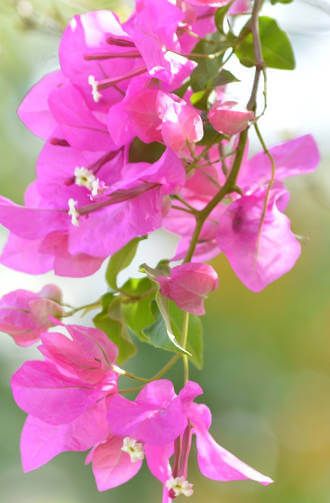
Bougainvillea, also known as the "color plant," is known for its showy flowers, which are actually colored bracts surrounding small white flowers. Because of its ability to grow quickly and cover large areas, Bougainvillea is often used to decorate walls, pergolas, terraces and gardens. Let's take a detailed look at how best to grow it.
Characteristics of Bougainvillea
Bougainvillea belongs to the Nyctaginaceae family and can be grown either as a climbing plant or as a shrub. The plant is perennial, but can lose its leaves in colder climates, thus behaving as a deciduous plant. There are several varieties, with colors ranging from bright pink to purple, orange to white. Flowering usually occurs from spring through fall, but under optimal conditions Bougainvillea can bloom year-round.
Ideal environment for growing Bougainvillea
Bougainvillea prefers a warm, sunny climate. It likes high temperatures and does not tolerate cold well, especially if it falls below 5°C. For this reason, in regions with cold winters, it is recommended to grow it in pots so that it can be moved to a sheltered area during the cold season. If grown in the ground, it is essential to plant it in a location sheltered from wind and cold, possibly near a wall or structure that stores heat during the day and gradually releases it at night.
ExposureDirect sunlight is essential for abundant flowering. Bougainvillea should receive at least 6 hours of sunlight per day. In low light conditions, the plant tends to produce more leaves and fewer flowers. Therefore, it is advisable to place it in a well-sunlit location, such as a sunny balcony or wall. Soil and nutritionAs for soil, Bougainvillea prefers well-drained and slightly acidic substrates. Soil that is too heavy and clayey can cause waterlogging, which can lead to root rot. It is recommended to mix sand and peat into the soil to improve drainage. In addition, to ensure lush growth, it is important to provide the plant with regular fertilization during the active growth phase, using balanced fertilizers with a good amount of essential elements for growth and flowering. IrrigationDespite being a hardy plant, Bougainvillea requires properirrigation management. During the warmer months, it should be watered regularly, but without excess. The soil should be kept moist, but not soggy. In winter, especially if the plant is dormant, irrigation can be reduced significantly. PruningPruning is essential to keep Bougainvillea in shape and stimulate continuous flowering. Pruning is done in late winter or early spring, removing dry or damaged branches and shortening those that are too long to encourage branching. Bougainvillea flowers on the year's branches, so proper pruning encourages the production of new flowering branches. |
Multiplication
Multiplication of Bougainvillea can be by cuttings or by seed, although the easiest and quickest method is cuttings. Here is how to proceed:
1) Take semi-woody cuttings, about 10-15 cm long, in summer.
2) Remove the leaves at the base of the cutting and dip the end in a rooting hormone.
3) Plant the cutting in a mixture of sand and peat and keep the soil moist.
4) Cover the pot with a clear plastic bag to create a moist environment and promote rooting.
Proper fertilization for Bougainvillea is essential to ensure vigorous growth and abundant flowering, whether it is when the plants are adults or in the breeding stage. It is important to provide plants with balanced nutrition distributed throughout the year to support both root development and the production of new branches and flowers.
Want to receive our advice? Sign up for our Newsletter - 8% discount immediately for you
|
Bougainvillea Fertilization Guide: effective strategies and products
Bougainvillea is a popular flowering plant for its beauty and vibrancy. However, to achieve lush and consistent flowering, it is essential to provide proper nutrition. Let's look at the right fertilization strategy for Bougainvillea planted directly in the ground, with interventions distributed throughout the year.
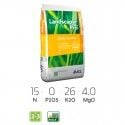
1. Fall fertilization: Yarasuna Rigoglio 8.5.5In the fall period, Bougainvillea needs proper preparation to face the winter months. Yarasuna Rigoglio 8.5.5 is the ideal fertilizer for this purpose, thanks to its balanced composition of nitrogen, phosphorus, potassium and organic matter. This fertilizer not only improves soil structure but also promotes microbial activity, strengthening roots and preparing them for the following season. A fall fertilization will help the plant stay strong through the winter, promoting a good start in the spring season. 2. Late winter fertilization: Nitro G NPK fertilizer 15.9.15At the end of winter, just before vegetative resumption, it is essential to administer Nitro G NPK fertilizer 15.9.15 a nitrogen- and potassium-based, controlled-release fertilizer. This fertilizer stimulates the production of strong shoots and improves Bougainvillea's resistance to water and climatic stresses. Potassium, in particular, is essential for strengthening the plant against harsh environmental conditions and promoting abundant flowering. 3. Summer fertilization: Stress Control 15-0-25+4 MgOIn early summer, when Bougainvillea is in full bloom, it is recommended to administer Stress Control 15-0-25+4 MgO , a granular fertilizer with an anti-stress effect. This fertilizer is especially useful before hot, dry periods, as it provides readily available nitrogen and a high concentration of potassium, which improves the duration and vibrancy of flowers. Magnesium in the product supports photosynthesis and helps maintain healthy, green foliage. Regular feeding helps support the plant during the intense growth phase. By following this fertilization strategy, your Bougainvillea will be able to develop healthily and vigorously, offering spectacular blooms throughout the growing season. Be sure to schedule fertilization at the right stages and monitor the plant's condition regularly for best results. Additional Tips for a Healthy Bougainvillea:- Irrigation and Nutrients: Bougainvillea, especially during periods of active growth, needs regular irrigation to facilitate nutrient uptake. However, it is important to avoid water stagnation, which could damage the root system. - Supplemental Fertilizations: If you notice nutritional deficiencies (yellowing of leaves, slowed growth), you can intervene with foliar fertilizations based on microelements such as iron and magnesium. These elements help correct nutritional imbalances and support vigorous plant growth. - Pruning: Proper pruning is essential to stimulate the production of new branches and to maintain a balanced form. Pruning, combined with fertilization, helps promote more abundant and longer-lasting flowering. |

Common problems in growing Bougainvillea
Lack of flowering
One of the most common problems with Bougainvillea is lack of flowering. The causes can be many:
- Poor sun exposure: as mentioned above, Bougainvillea needs lots of sunlight to bloom profusely.
- Excessive watering: too much water can cause excessive vegetative growth at the expense of flowers.
- Nitrogen-rich fertilizers: nitrogen stimulates leaf growth, but an excess of this element can reduce flowering. It is best to use fertilizers rich in phosphorus and potassium.
Root rot
Root rot is another frequent problem, caused by insufficient soil drainage or excessive watering. It is important to make sure the soil is well drained and that water does not pool around the roots.
Pests
Although Bougainvillea is generally hardy, it can be attacked by some pests such as aphids, mites and mealybugs. In case of infestation, you can treat the plant with neem oil or with insecticidal soap.
FAQ (Frequently Asked Questions) about Bougainvillea
1. What is the best time to plant Bougainvillea?
The best time to plant Bougainvillea is spring, when temperatures begin to rise and there is no risk of frost.
2. How can greater flowering be stimulated?
To stimulate flowering, it is important to ensure good sun exposure, avoid excess nitrogen in fertilizers and prune the plant regularly.
3. Can Bougainvillea be grown in pots?
Yes, Bougainvillea lends itself very well to growing in pots. In this case, it is essential to make sure that the pot is well drained and that the plant receives enough sunlight.
4. How can Bougainvillea be protected from the cold?
In severe cold weather, Bougainvillea grown in pots can be moved to a more sheltered location. If grown in the ground, you can cover the roots with mulch to protect them from frost.
5. Is Bougainvillea toxic to animals?
Bougainvillea is not considered toxic to pets, although its thorns can cause irritation.
Share this content



 Chronology
 Citrus fruits
 Turf
 Stone fruit
 Olive tree
 Ornamental
 Vegetables
 Actinidia (Kiwi)
 Screw
 Hobbies and insights
 Pome Fruit


