
Your cart
There are no more items in your cart
How to Grow Hydrangea the Easy Way
Categories :
Chronology
, Ornamental
Index
Choosing the ideal soil and location for growing Hydrangea
How to plant Hydrangea: key steps
Proper irrigation for healthy growth
Fertilizing and feeding Hydrangea
How to prune Hydrangea for abundant flowering
Managing common problems: pests and diseases
FAQ (frequently asked questions) on how to grow Hydrangea
Introduction
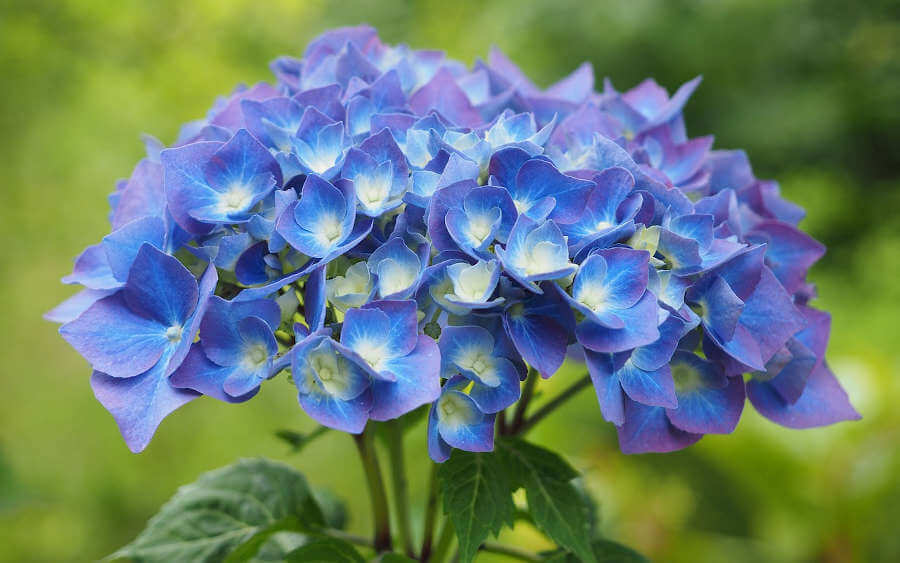
The hydrangea, orHydrangea, is one of the most popular garden plants because of its fascinating blooms and its adaptability to a variety of climatic conditions. Growing hydrangea may seem complex, but by following a few simple steps, even a novice gardener can achieve spectacular results.In this article we will explore the basic steps to grow hydrangeaeasily and successfully, focusing on aspects such as soil selection, irrigation and pruning.
Choosing the ideal soil and location for growing Hydrangea
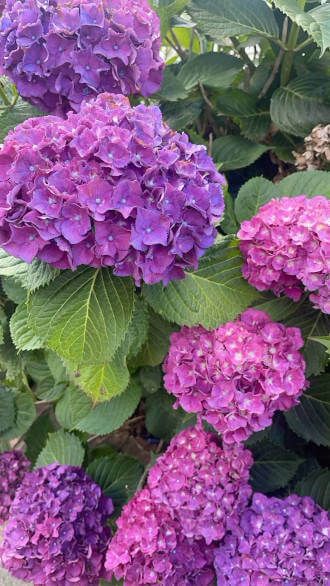
Hydrangea prefers asoil rich in organic matter, well drained and slightly acidic (pH 5.5 to 6.5),. Soil pH can affect flower color:an acidic soil favors blue hues, while a more alkaline soil produces pink flowers. If you want blue flowers, you can correct the pH of the soil by adding aluminum sulfate.
- Soil: Measure the pH with a soil test and, if necessary, correct with acidic compost or peat to promote plant health.
- Location: Hydrangeas prefer semi-shaded positions, where they receive morning sun and shade during the hottest hours of the afternoon, to avoid water stress and wilting.
How to plant Hydrangea: the key stepsPlanting a hydrangea requires a few simple steps, but performing them correctly will ensure healthy and vigorous growth of the plant.
Proper watering for healthy growthHydrangea needsneeds a lot of water, especially during the hottest times of the year, but it is essential to avoid stagnation, which can cause root rot. Frequent but not excessive watering allows the roots to develop healthily.
Recommended product:Aquastick gel to improve water stress tolerance by stimulating water uptake and preventing heat stress. |
Would you like to receive our advice? Sign up for our newsletter - 8% discount right away for you
|
Fertilizing and feeding Hydrangea
A healthyhydrangea requires proper nutrition to grow lushly and bloom profusely.
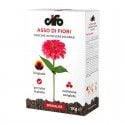
- Organic fertilizer: Use a fertilizer specifically for acidophilic plants. During spring and summer, apply a balanced fertilizer such as the Ace of Flowers, rich in nitrogen, phosphorus and potassium, to support vegetative growth and flowering.
- Microelements: Also supplement calcium and magnesium to improve plant strength. Calcisan Green is ideal for providing these essential elements.
How to prune Hydrangea for abundant flowering
Hydrangea pruning is important to keep the plant healthy and encourage lush flowering.
- When to prune: Most hydrangea varieties should be pruned in late winter or early spring.
- How to prune: Remove dry or damaged branches and shorten longer branches slightly, leaving 2-3 buds on each branch to stimulate flowering.
- Sanitize after pruning: Just after pruning hydrangea, it is always advisable to treat with a Cifoblok plus copper-based with sanitizing effect.
Managing common problems: pests and diseases
Hydrangea is generally hardy, but can be susceptible to fungal diseases such as thepowdery mildewand to pests such asaphids.
- Fungal diseases: Powdery mildew is one of the most common problems, causing a white patina on the leaves. To treat powdery mildew, we recommend the use of wettable sulfur.
- Pests: Aphids and mealybugs are the most common pests. To prevent, it is advisable before spring to intervene with Cifotris a ready-to-use product, while in case of an already a slight presence use organic products such as neem oil o soft soap. Against more resistant pests such as thrips or whitefly.
- An excellent product for professional nurserymen faced with the need to solve the attack of insects such as aphid, thrips, whitefly and other insects is the : Sanium.
FAQ (frequently asked questions) on how to grow Hydrangea
What is the best time to plant hydrangea?
- The ideal time to plant hydrangea is inspring or fall, when the weather is mild and the plant has time to take root before extreme temperatures.
Why do the flowers of my hydrangea change color?
- The color change in hydrangea flowers is related to thepH of the soil. In an acidic soil the flowers tend to turn blue, while in an alkaline soil they will be pink.
How can I keep hydrangea flowers blue?
- To keep the flowers blue, you can addaluminum sulfate to the soil to lower its pH, making it more acidic.
How often should I water the hydrangea?
- Hydrangea should be wateredregularly, keeping the soil moist but without creating stagnation. During the summer, it may need to be wateredevery 2 to 3 days.
Can hydrangeas grow in pots?
- Yes, hydrangeas can be grown in pots, as long as they have sufficient root space and are planted inwell-drained soil. Remember towater them oftenand protect them from the hottest hours.
Share this content







 Chronology
 Citrus fruits
 Turf
 Stone fruit
 Olive tree
 Ornamental
 Vegetables
 Actinidia (Kiwi)
 Screw
 Hobbies and insights
 Pome Fruit


