
Your cart
There are no more items in your cart
How and when to transplant a lemon tree into the ground
Categories :
Chronology
, Citrus fruits
Index
When to move a lemon tree from the pot
How to properly introduce the plant
Distribute an organic fertilizer
Would you like to receive our advice? Subscribe to our Newsletter - 8% discount now for you
|
Tips to take when transplanting a lemon tree into the garden
Do you have a potted lemon and want to transplant it into the ground?
This mini guide aims to recommend some tricks and tricks that will allow us to have well-acclimatized and rooted lemon plants after a few months.
When to move a lemon tree from the pot
It is always a good time to plant a lemon tree. Obviously, you must avoid periods that are too hot and those that are too cold. Autumn is preferable because at this time the plant slows down its development and already has enough reserves that it will need in spring during the vegetative recovery.
How to plant a lemon plant
How to plant a lemon, prepare the soil:
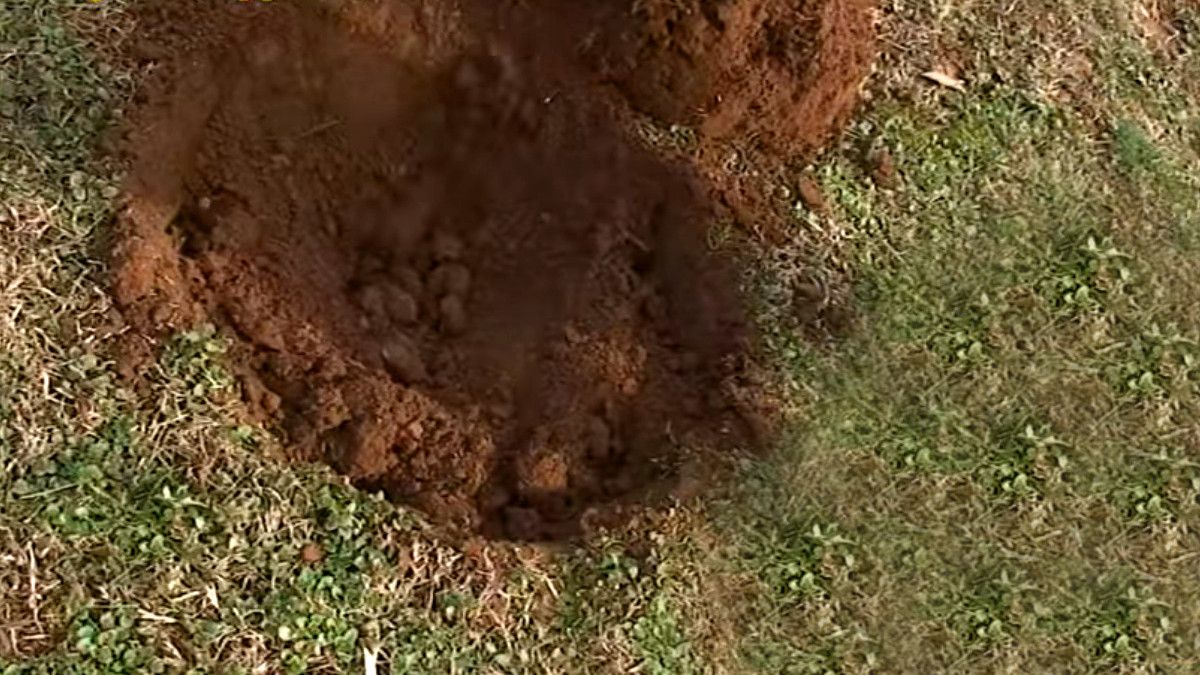
Digging an uneven hole. If we make a hole with sharp edges and vertical walls, we will make a mistake because the roots at the beginning do not have the strength to be able to penetrate into the soil. The hole must have jagged edges to interrupt the capillarity of the soil (1) and allow the new roots to settle correctly in all directions.
Prepare the plant:
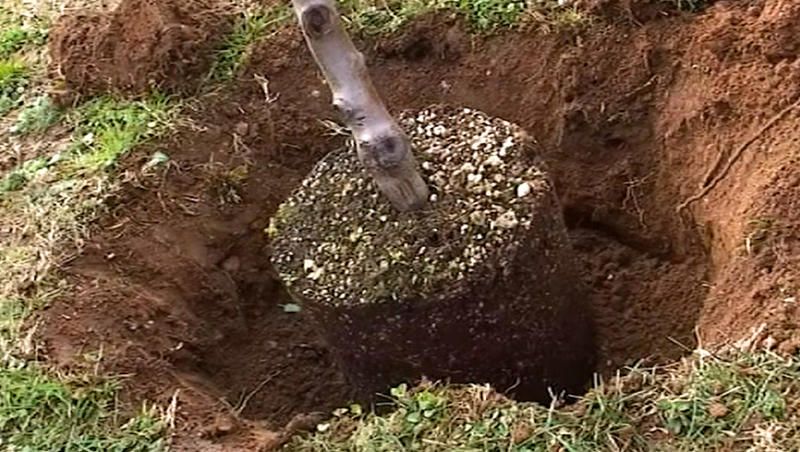
The newly arrived plant, if in a pot, will probably have its roots all rolled up inside the pot. A good rule before planting the plant is to untangle the roots as much as possible, avoiding breaking the thinner ones (capillaries) which are the most important since they are the ones that absorb nutrients and water from the soil. Once this operation is done, we are ready to insert the plant into the hole.
How to properly introduce the plant
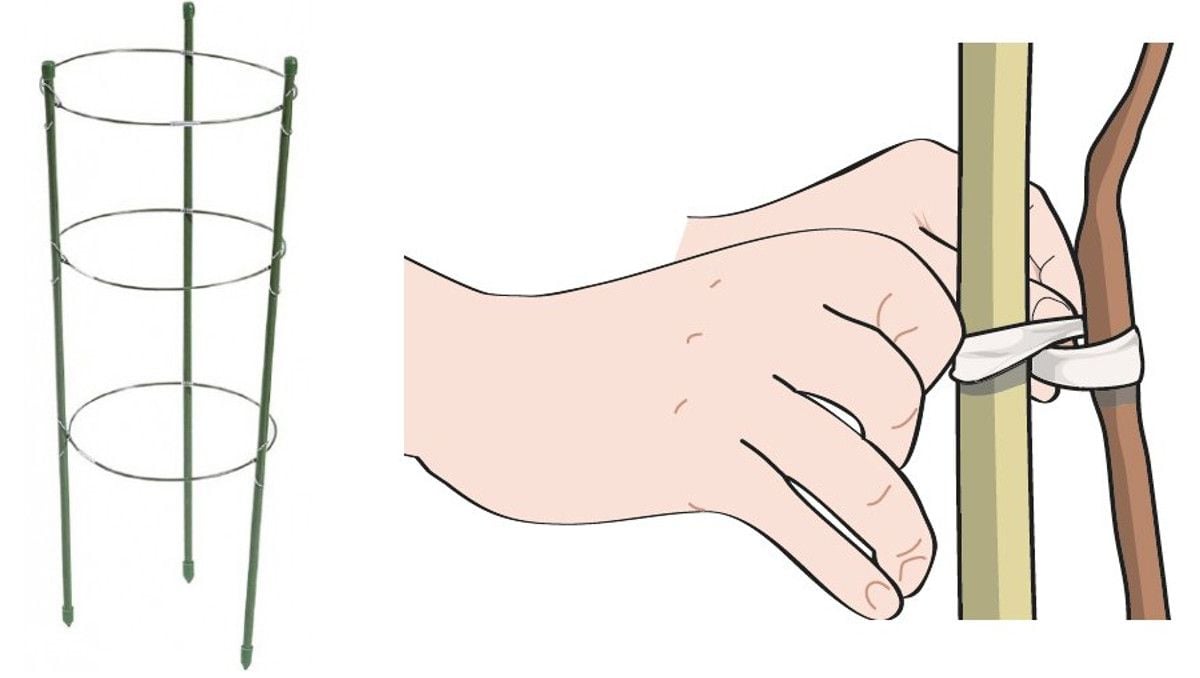
It is advisable at this stage to use a support or stake (cane or stake) that will support the seedling that is not yet well rooted. The ideal position will be obtained with the support parallel to the trunk and as close as possible to the plant.
(On the right a circular brace, on the left a classic brace, stake.)
The plant must be planted with the collar (2) at the same level as the ground level, if we bury it too much we could have problems with rot. After inserting the plant and stake in the hole we will begin to put the soil until it is half full.
Distribute an organic fertilizer
At this time it is advisable to distribute organic fertilizer, which will provide useful substances for rooting.
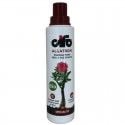
For the demanding hobbyist we recommend the excellent Algatron BIO CIFO one cap every two liters of water.
For the Professional, the granular fertilizer NOVA GR with humic and fulvic acids is indicated at doses of about 100 grams per plant.
We completely fill and uniform everything with light pressure.
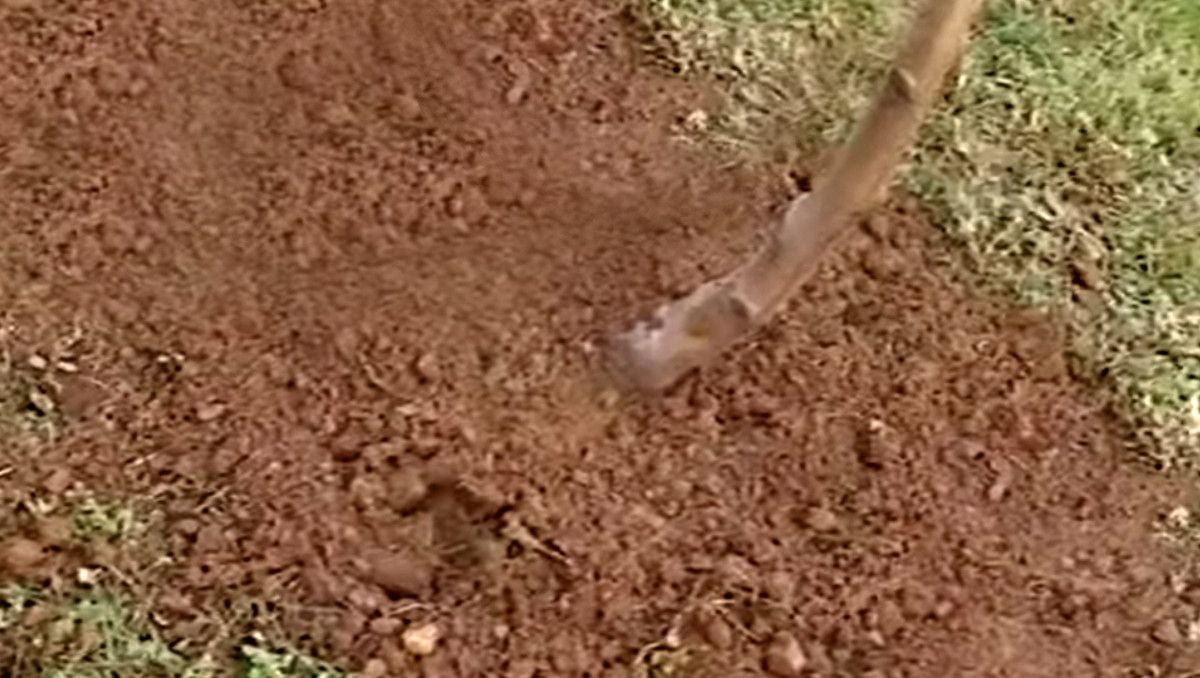
Last phase:
Irrigate copiously and possibly recharge the soil which will tend to subside with the water.
Tricks of the trade:
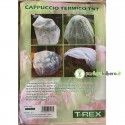
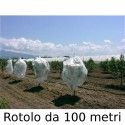
A small trick that is often decisive is the use of protective caps in non-woven fabric that protect the plant from wind, frost and temperature changes. By using it, the plant will be less subject to environmental stress and will have a better rooting.
Agricap60 and Agricap80 are the ideal solution for small and medium-sized plants.
If we are looking for a better response from the plant and consequently more health, vigour, productivity and resistance, it is useful to insert mycorrhizal fungi at the root level that will implant themselves on the roots of the plant and create an advantageous symbiotic association(3).
To promote the planting of mycorrhizal fungi, it will be useful to administer organic fertilizer containing simple sugars such as Boronta, or a good fertilizer with humic and fulvic acids such as Black Jack, Growel.
For the professional we recommend
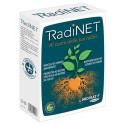
- Micosat F RadiNet at doses of 5-10 grams for holes of 10-30 cm, 10-30 grams for holes up to 100cm.
- Micosat F MO at doses of 5kg per hectare and
- Live at doses of 20-30 liters per hectare.
Alternatively, you can use BlackJack 3 liters per hectare or Growel 3 kg per hectare.
Vocabulary:
(1) Soil capillarity: The set of empty spaces in the soil that form a network of very thin empty channels in which water and/or air circulates and/or is retained. Interrupting this set of channels by breaking the ground allows you to create new and larger spaces where the roots can easily slip.
(2) Collar: Point of intersection between the roots and the stem or trunk of the plant.
(3) Symbiotic association: Collaboration between organisms of different species that help each other. In our case, the ability of the beneficial fungi present in Micosat products to provide phosphorus and nutrients that are difficult to assimilate by plants is exploited, moreover, by occupying the spaces of pathogenic fungi they prevent their spread by defending the plant which in return provides them with simple sugars.
Share this content








 Chronology
 Citrus fruits
 Turf
 Stone fruit
 Olive tree
 Ornamental
 Vegetables
 Actinidia (Kiwi)
 Screw
 Hobbies and insights
 Pome Fruit


