
Your cart
There are no more items in your cart
Thuja occidentalis smaragd (thuja plant): how to treat pathologies
Categories :
Chronology
, Ornamental
Index
Botanical characteristics
Cultivation of Thuja Smaragd
Diseases and Parasites
Frequently Asked Questions about Tullia Plant

Introduction:
Thuja Smaragd, commonly known as Western Cedar, is one of the most prized ornamental conifers for its elegance and durability. However, to keep it thriving and healthy, it is necessary to adopt correct cultivation practices and prevent the onset of diseases and pests. In this article, you will learn about the botanical characteristics of Thuja Smaragd, how to cultivate it properly, and how to protect it from any diseases.
The botanical characteristics of Emerald Thuja
Thuja Smaragd belongs to the Cupressaceae family and has a columnar and compact shape. It reaches a height of about 5-6 meters, with a maximum diameter of 1-2 meters. Its leaves are bright green, keeping them intense throughout the year, making it a popular choice for hedges and ornamental gardens. The bark is thin, reddish brown in color, while the wood, resistant and light, is sometimes used for small crafts.
Cultivation of Thuja Smaragd
- Exposure: Thuja Smaragd prefers sunny or semi-shaded exposure. A good amount of sunlight ensures a bright green color and even plant development.
- Soil: This conifer adapts well to various types of soil, as long as it is well drained. It prefers soils rich in organic matter, with a slightly acidic or neutral pH.
- Watering: In the development stages, Thuja requires regular watering, especially in hot weather. Avoid waterlogging, which can cause root rot. During the winter, reduce watering.
- Reproduction: The reproduction of Thuja takes place mainly by cuttings, taking twigs of about 10-15 cm in summer. The cuttings are then rooted in a mixture of peat and sand.
- Pruning: Pruning should preferably be done in spring or late summer to maintain a compact shape and stimulate denser growth. Avoid too drastic pruning that can stress the plant.
- Cultivation care: Fertilize in spring with slow-release fertilizers for conifers, enriched with microelements. It is recommended to mulch the base of the plant with a mulch cloth to protect the roots and retain moisture.
Would you like to receive our advice? Subscribe to our Newsletter - 8% discount now for you
|
|
Diseases and Parasites
Thuja Smaragd are generally hardy plants, but they can be prone to various diseases and problems, especially under conditions of stress or inadequate maintenance. Here are some of the most common diseases and parasites that can affect Thuja:
- 1. Phytophthora (Phytophthora spp.)
- Symptoms: Wilting and yellowing of the leaves, followed by rapid dieback of the plant. The roots can rot.
- Cause: A soil fungus that attacks mainly in poorly drained soil conditions or overwatering.
- Treatment: Avoid waterlogging and treat with systemic fungicides specific to Phytophthora.
- 2. Root rot
- Symptoms: Yellowing of the leaves and loss of vigor. The roots become black and soft.
- Cause: Overwatering or poorly drained soil.
- Treatment: Improve soil drainage and use Trichoderma-based products against root rot.
- 3. Cercospora spp.
- Symptoms: Brown or black spots on the leaves that can spread out and cause them to fall off.
- Cause: A fungus that thrives in humid conditions.
- Treatment: Apply strategic products such as Azul S-Cu at a dose of 150ml/hl and reduce the humidity around the plants.
- 4. Twig diseases (Kabatina spp., Pestalotiopsis spp.)
- Symptoms: The twigs turn brown and dry, often starting at the tips.
- Cause: Fungal infections that affect branches in high humidity conditions alternating with solar radiation.
- Treatment: Prune the infected parts and apply Koracid based on citrus essential oils.
- 5. Coniferous mealybug (Toumeyella parvicornis)
- Symptoms: Presence of shield-shaped insects on branches and leaves. The branches can turn yellow and die.
- Cause: Mealybug infestation.
- Treatment: Use Biankoil or systemic insecticides such as Sanium.
- 6. Coniferous mite
- Symptoms: The leaves may become discolored and turn brown, and a thin spider web may be visible.
- Cause: Mite infestation, especially in hot and dry conditions.
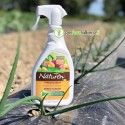
- Treatment: Use products based on plant extracts of nettle.
- 7. Cypress canker (Seiridium spp.)
- Symptoms: Yellowing or redness of branches, followed by drying. Fissures and resin spills may appear.
- Cause: A fungal infection that penetrates the plant's wounds.
- Treatment: Prune and remove infected branches and use copper gluconate-based Kyprion.
- 8. Water stress or transplantation
Symptoms: Yellowing and drying of leaves, which may look like a disease but is due to under- or overwatering or transplant stress.
Treatment: Improve irrigation management and use anti-stress products such as Black Jack : biostimulants based on humic and fulvic acids.
Prevention:
- - Proper pruning : Remove dead or diseased branches to improve air circulation.
- - Watering: Make sure the soil is well-drained and that Thuja are not getting too much or too little water.
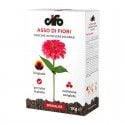
- - Fertilization: Use balanced fertilizers to keep the plant vigorous like Cifo Flower Ace.
Frequently Asked Questions about Tullia Plant
How much does thuja hedge grow per year?
Thuja Smaragd can grow up to 30-40 cm per year in optimal conditions.
Can I grow Thuja Smaragd in pots?
Yes, it is possible to grow it in pots, but it is important to choose containers that are large enough to allow root development and provide adequate nutrition.
When is the best time to prune Thuja Smaragd?
The best time is spring or late summer, avoiding drastic pruning in the colder or warmer months.
What is the ideal distance to plant multiple Thuje together?
A distance of about 60-100 cm between the plants is recommended to allow proper development without overcrowding.
Is Thuja Smaragd cold-resistant?
Yes, it is very resistant to cold and tolerates winter temperatures down to -30°C well.
How can I prevent fungal diseases on Thuja Smaragd?
Ensure good air circulation between plants, avoid excessive watering and use copper-based preventive treatments.
Does Thuja Smaragd lose its leaves in winter?
No, as an evergreen conifer, Thuja Smaragd retains its green foliage all year round.
Thuja Smaragd is an ornamental conifer with great potential, but requires adequate care to avoid diseases and parasites. Proper exposure, watering and the right attention to pruning and fungal diseases are essential to keep it thriving. If you would like more advice on how to grow and protect Thuja Smaragd, explore the organic products available on our website.
Subscribe to our newsletter to receive advice and updates on the best products for the care of your plants, or contact our customer service for personalized advice on the management of Thuja Smaragd.
Share this content













 Chronology
 Citrus fruits
 Turf
 Stone fruit
 Olive tree
 Ornamental
 Vegetables
 Actinidia (Kiwi)
 Screw
 Hobbies and insights
 Pome Fruit


