
Your cart
There are no more items in your cart
Corineum - Wilsonomyces carpophilus Coryneum beijerinckii.
Categories :
Chronology
, Stone fruit
Stigmina carpophila, pitting or shot peening
Index
Life Cycle and Characteristics of the Pathogen
Symptoms of the coryneum - Coryneum beijerinckii.
Management and Control of Corineum (or Pitting)
The agronomist's recommended strategy of making the tree
Strategy Almond, cherry, apricot
FAQs (Frequently Asked Questions) about Wilsonomyces carpophilus
Introduction
Wilsonomyces carpophilus is a phytopathogenic fungus responsible for the disease known as coryneum that affects fruit trees, in particular species afferent to the genus Prunus (peach, apricot, plum, cherry and almond). This disease is particularly harmful as it can significantly reduce plant productivity, affecting the quality and quantity of the crop. In the course of the article we will examine the characteristics of the fungus, the life cycle, the symptoms, the conditions favorable to its spread, the management and control practices and the frequently asked questions on the subject.
Life Cycle and Characteristics of the Pathogen
Wilsonomyces carpophilus is a fungus that overwinters through spores or mycelium. Both overwintering forms are resistant to adverse conditions and can survive on cankers that develop at the level of the woody organs and within the gummy secretions.
The climatic conditions that favor the development, infections and spread of the pathogen are superimposable to those of the causative agent of the Peach Bull (Taphrina deformans), i.e., the humid and rainy conditions that determine the wetting of the plant organs in order to start an infection and optimal temperatures of 15-16° C.
Symptoms of Corineum - Coryneum beijerinckii
The symptoms caused by Wilsonomyces carpophilus occur mainly on leaves, branches and fruits. The following are the most common symptoms:
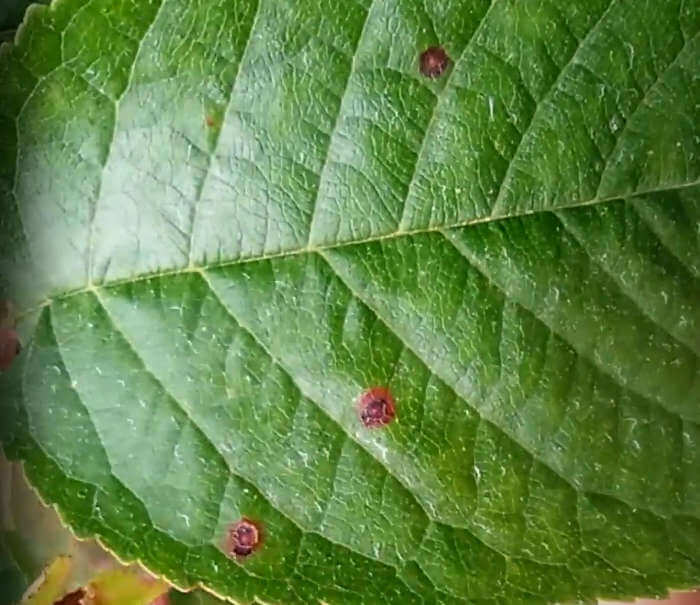
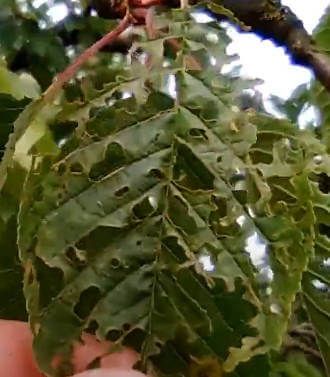
- Leaves: Small circular spots appear on the leaves, initially purplish-brown in color, which enlarge over time. The lesions may turn yellow in the center, and in severe cases, the infected tissue may break off, leaving holes in the leaf.
 |
 |
- Branches: Depressed dark spots form on young branches that can develop into cankers (open wounds), causing linfa loss and making the plant vulnerable to further infection.
 |
 |
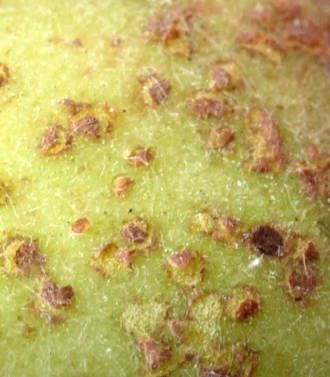
- Fruits: Dark, irregular and slightly sunken spots develop on infected fruits, with a central portion tending to be lighter.
 |
 |
Would you like to receive our advice? Subscribe to our Newsletter - 8% discount now for you
|
Management and Control of the Corineum (or Pitting, or Shot Peening)
Management of Wilsonomyces carpophilus requires a combination of preventive practices and the application of appropriate plant protection treatments. The main control strategies are listed below:
1. Cultivation practices
- Pruning: Removing and destroying infected branches during the dormant season helps reduce the inoculum of the fungus. Pruning also promotes better aeration within the canopy, reducing humidity and hindering the spread of spores.
- Irrigation: Avoid sprinkler irrigation in the event that the water reaches the plant's organs directly, especially during periods of greater risk. Prefer drip irrigation to reduce moisture on the leaves and fruits.
- Residue removal: Removing infected leaves and fruits that have fallen to the ground reduces the source of infection and limits the spread of the disease in the following season.
2. Chemical Treatments
The use of fungicides is an important part of the management of Wilsonomyces carpophilus. Chemical treatments must be carried out preventively, especially in climatic conditions favourable to the spread of the fungus:
- Copper-based products: They are among the most effective products against corineo. These interventions are recommended during the winter period.
- Specific fungicides against corineo: both in prevention and in case of manifestation of disease.
The agronomist's recommended strategy for making the tree
Winter interventions on the brown
- Inex-A 30 ml/hl
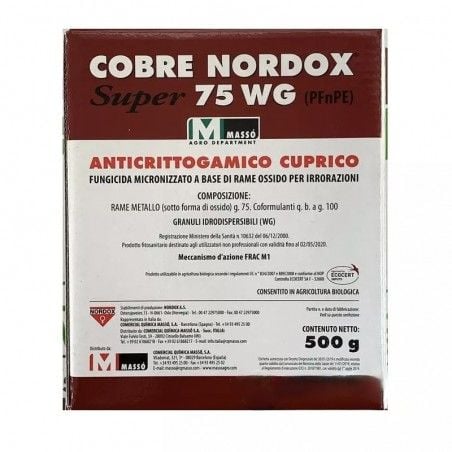
- Cobre Nordox 200 g/hl
Perform one or two interventions during the indicated period.
Find out more on the product pages:
 |
 |
Below are the prevention strategies for the most important crops attacked by this pathogen. We remind you that with these interventions in addition to the corineum we are also going to act in prevention against other fungal diseases (bulla, fusiccoccum, monilia etc.).
Peach Strategy
- Brown treatment
In addition to copper, it is advisable to carry out an intervention with
- Ziramit: 400 g/hl
- Button stage:
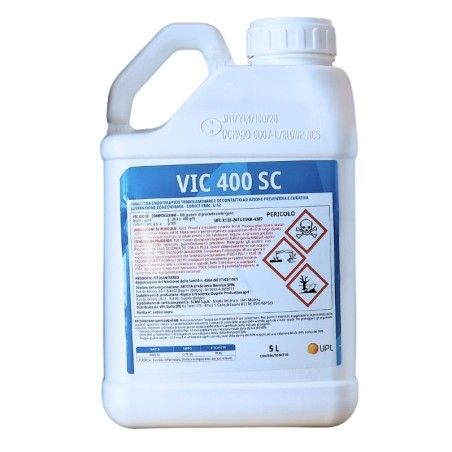
- Vic 400 Dodina: 200 ml/hl
Find out more on the product pages:
 |
 |
Strategy Almond, Cherry, Apricot
In addition to copper, it is advisable to carry out one or more interventions in the period from leaf fall to pre-flowering with:
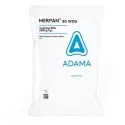
- Merpan Captano 200g/hl.
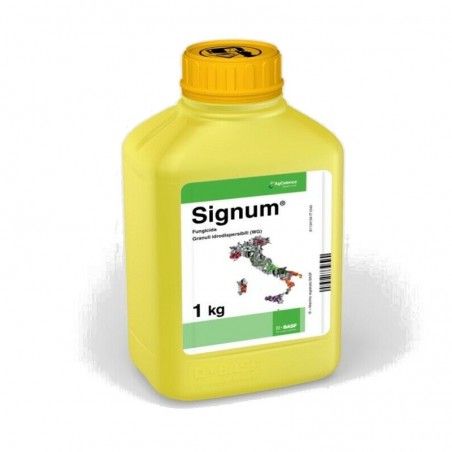
In the case of overt symptoms, our experience in the field has shown that the best fungicide that allows you to stop the disease is Signum.
Find out more on the product pages:
 |
 |
For further information and for customized strategies according to particular business dynamics, you can contact our technical service.
3. Varietal resistance
Some varieties of fruit plants show greater resistance to Wilsonomyces carpophilus. Choosing resistant varieties is a long-term prevention strategy that can significantly reduce the incidence of the disease.
FAQs (Frequently Asked Questions) about Wilsonomyces carpophilus
1. What are the main symptoms of corineo?
The main symptoms include the presence of dark spots on the leaves, branches, and fruits. On the leaves, the spots can evolve into "smallpox-like" holes. On the branches, dark lesions and cancers can form. On fruits, the spots are usually sunken and uneven.
2. How does Wilsonomyces carpophilus spread?
The fungus is mainly spread through spores that are dispersed by water and wind. Frequent rainfall and high humidity promote the spread of spores and the penetration of the fungus into plant tissues.
3. What climatic conditions are conducive to disease?
The disease is favored by moderate temperatures (10°C - 25°C) and high humidity. Frequent rainfall and high humidity are the main factors that favor the spread and development of the fungus.
4. What are the most effective control strategies?
Control strategies include pruning infected branches, using copper-based fungicides, adopting proper irrigation practices, and choosing hardy varieties. Disease management requires an integrated approach, combining preventive practices and phytosanitary treatments.
5. Are there any plant varieties that are resistant to Wilsonomyces carpophilus?
Yes, some varieties of Prunus are known to have a higher resistance to the fungus. The selection of resistant varieties is an effective strategy to reduce the incidence of the disease in the orchard.
Share this content




 Chronology
 Citrus fruits
 Turf
 Stone fruit
 Olive tree
 Ornamental
 Vegetables
 Actinidia (Kiwi)
 Screw
 Hobbies and insights
 Pome Fruit


